Life at Earth’s Extremes: The Poles

politicalphishing.com – The Earth’s poles are among the most extreme environments on our planet. These regions, the Arctic and the Antarctic, are characterized by their harsh climates, remote locations, and unique ecosystems. Despite these challenges, life has found a way to thrive at the poles. This article explores the remarkable adaptations of life forms at these polar extremes, the challenges they face, and the importance of these regions to the global climate system.

The Arctic: A Frozen Ocean Surrounded by Land

The Arctic is a vast, icy wilderness that encompasses the northernmost part of the Earth. It is an ocean surrounded by the land masses of North America, Europe, and Asia. The Arctic climate is characterized by long, dark winters and short, cool summers. Temperatures can plummet to as low as -50°C in the winter, and the sun does not rise above the horizon for months.

Life in the Arctic

Despite the harsh conditions, the Arctic is home to a diverse range of life forms. Polar bears, the apex predator of the Arctic, have a thick layer of blubber to insulate them from the cold and large paws to navigate the icy terrain. Seals, such as the ringed seal, have adapted to life on the ice, breathing through holes they keep open in the ice. Birds like the snowy owl and the Arctic tern have found ways to survive the extreme conditions, with the latter undertaking one of the longest migrations of any bird.

Challenges Faced by Arctic Life

The primary challenge for life in the Arctic is the cold. Organisms must find ways to prevent freezing, conserve energy, and find food in a seemingly barren landscape. Many Arctic species have developed anti-freeze proteins in their blood and bodily fluids to survive the frigid temperatures.

The Antarctic: A Frozen Continent

The Antarctic, on the other hand, is a continent covered in ice and snow. It is the coldest, driest, and windiest continent on Earth. The Antarctic climate is even more extreme than the Arctic’s, with temperatures dropping as low as -89.2°C. The continent is surrounded by the Southern Ocean, which plays a crucial role in the Earth’s climate system.

Life in the Antarctic

Life in the Antarctic is sparse but resilient. Penguins, such as the emperor penguin, breed on the ice and have adapted to the cold by huddling together to conserve heat. Krill, tiny crustaceans, form the base of the Antarctic food web, feeding everything from whales to seals. Lichens and mosses are among the few plants that can survive the extreme conditions on the continent.

Challenges Faced by Antarctic Life

The challenges faced by Antarctic life are similar to those in the Arctic but even more severe. The cold, the lack of liquid water, and the high levels of UV radiation due to the thinning ozone layer are significant obstacles. Organisms have developed strategies such as supercooling, where they lower their freezing point, and the production of UV-protective pigments.

The Importance of the Poles

The polar regions are not just home to unique and resilient life forms; they are also critical to the Earth’s climate system. The ice and snow reflect sunlight back into space, helping to regulate global temperatures. The melting of polar ice is a key indicator of climate change, with significant implications for sea levels and weather patterns worldwide.

Conclusion

Life at the Earth’s poles is a testament to the resilience and adaptability of living organisms. The polar regions are more than just frozen wastelands; they are vibrant ecosystems that play a vital role in the health of our planet. As we continue to face the challenges of climate change, it is more important than ever to understand and protect these unique and fragile environments.

The Animated Guardian of Jewish Folklore: The Golem

politicalphishing.com – The Golem is a figure of Jewish folklore that has fascinated people for centuries. Originating from ancient texts and evolving through various iterations, the Golem is a creature of clay brought to life by mystical incantations to serve its creator. This article delves into the origins, characteristics, and cultural significance of the Golem, exploring its role as an animated guardian in Jewish folklore.

Origins of the Golem

The earliest references to the Golem can be found in the Hebrew Bible, where the word “golem” appears in Psalms, referring to an unformed mass or embryo. However, the concept of a clay man animated by magic is most famously associated with the medieval Jewish mystical text, the Sefer Yetzirah, or “Book of Creation.” This text discusses the power of the Hebrew letters and their use in creating life, laying the groundwork for the Golem’s creation myth.

The Golem in Jewish Mysticism

In Jewish mysticism, particularly in the Kabbalah, the creation of a Golem is attributed to powerful rabbis who possess the necessary spiritual and mystical knowledge. The most famous of these creators is Rabbi Judah Loew ben Bezalel, also known as the Maharal of Prague, who is said to have created a Golem in the 16th century to protect the Jewish community from persecution.

The Creation Process

The creation of a Golem involves several steps, including shaping a figure from clay, inscribing it with mystical symbols, and bringing it to life through the recitation of sacred texts or the use of a Shem, a magical name or word. The most common method involves placing a piece of parchment with the word “emet” (truth) into the Golem’s mouth. To deactivate the Golem, the first letter is removed, changing the word to “met,” meaning “dead.”

Characteristics of the Golem

The Golem is often depicted as a giant, powerful, and obedient servant. It is a creature of pure physical strength, devoid of its own will or desires, acting solely on the commands of its creator. Despite its formidable strength, the Golem is also seen as a symbol of the dangers of unchecked power and the potential for creation to turn against its creator.

The Golem in Popular Culture

The legend of the Golem has transcended its origins, influencing literature, film, and other forms of media. It has been reimagined in various contexts, from horror to science fiction, reflecting the enduring fascination with the idea of creating life and the ethical implications thereof.

Cultural Significance

The Golem serves as a powerful symbol in Jewish culture, representing the struggle against oppression, the potential for divine intervention, and the ethical boundaries of human creativity. It also embodies the tension between the desire for protection and the fear of losing control over one’s creations.

Conclusion

The Golem stands as a testament to the richness and complexity of Jewish folklore. As an animated guardian, it embodies the hopes and fears of a community seeking to protect itself against adversity. Through its various incarnations, the Golem continues to inspire and provoke thought about the nature of life, the limits of power, and the responsibilities of creation.

The Lost Colonists and Their Mystery: The Roanoke Colony

politicalphishing.com – The Roanoke Colony, established in 1585 on Roanoke Island in what is now North Carolina, is one of the most enduring mysteries in American history. Known as the “Lost Colony,” the fate of its settlers has puzzled historians and intrigued the public for centuries. This article delves into the history of the Roanoke Colony, the mystery of the lost colonists, and the various theories that attempt to explain their disappearance.

The Establishment of the Roanoke Colony

The Roanoke Colony was the first attempt by the English to establish a permanent settlement in the New World. Led by Sir Walter Raleigh, the initial expedition was more of a reconnaissance mission than a serious attempt at colonization. However, in 1587, a second expedition led by John White set out to establish a permanent settlement. This group included White’s daughter, Eleanor Dare, who gave birth to Virginia Dare, the first English child born in the New World.

The Mystery of the Lost Colonists

After establishing the colony, White returned to England for supplies, planning to come back the following year. However, due to the Anglo-Spanish War, he was unable to return until 1590. When he finally made it back to Roanoke Island, he found the colony deserted. The only clue to the colonists’ fate was the word “Croatoan” carved into a post and the letters “CRO” carved into a tree.

Theories About the Fate of the Colonists

Over the years, numerous theories have been proposed to explain the disappearance of the Roanoke colonists. Some of the most popular theories include:

Integration with Local Tribes

One theory suggests that the colonists assimilated with local Native American tribes, such as the Croatoan, as indicated by the carved word. This theory is supported by the fact that the colonists were friendly with the Croatoan tribe and that there are accounts of English-speaking Native Americans in the area years later.

Massacre by Spanish or Native Americans

Another theory posits that the colonists were killed by either the Spanish, who were competing with the English for control of the New World, or by hostile Native American tribes. However, there is little evidence to support these theories.

Disease and Starvation

It is also possible that the colonists succumbed to disease or starvation. The harsh conditions of the New World, combined with the lack of supplies, could have led to the colony’s demise.

Other Theories

Other, more speculative theories include the colonists being abducted by extraterrestrials or moving to a different location, such as the Chesapeake Bay area.

The Legacy of the Roanoke Colony

The mystery of the Roanoke Colony has captured the imagination of people for centuries. It has been the subject of books, movies, and television shows, and continues to be a topic of interest for historians and the public alike. The Fort Raleigh National Historic Site on Roanoke Island preserves the history of the colony and offers visitors a glimpse into the lives of the lost colonists.

Despite the many theories, the fate of the Roanoke colonists remains a mystery. The “Lost Colony” serves as a reminder of the risks and challenges faced by early settlers in the New World and the mysteries that still lie buried in our history.

From Mines to Markets: The Diamond Trade

politicalphishing.com – The diamond trade is a complex and multifaceted industry that spans the globe, from the depths of the earth where these precious stones are found, to the glittering displays of jewelry stores in major cities around the world. This article will explore the journey of a diamond from its origins in the mine to its final destination in the market, highlighting the various stages and processes involved in this fascinating trade.

The Origins: Mining Diamonds

The journey of a diamond begins in the mines, which are primarily located in countries such as Russia, Botswana, Canada, and Angola. These mines are either open-pit or underground, with the extraction process involving advanced technology and significant manpower. Once mined, diamonds are in their rough form and are known as kimberlite rocks.

The Mining Process

Mining diamonds is a meticulous process that involves the removal of vast amounts of earth to reach the kimberlite pipes where diamonds are found. This process can take years and requires careful planning and execution to minimize environmental impact and ensure the safety of workers.

Sorting and Grading

After extraction, the rough diamonds are sorted and graded according to their size, quality, and characteristics. This is a highly skilled task that is often done by hand, with experts using their knowledge and experience to categorize the diamonds.

The Role of Technology

In recent years, technology has played an increasingly important role in the sorting and grading process. Advanced machines can now detect the presence of diamonds within the kimberlite rocks and can also help in the initial sorting stages, making the process more efficient and accurate.

Cutting and Polishing

Once sorted and graded, the rough diamonds are sent to cutting and polishing centers, which are mainly located in India, Belgium, Israel, and the United States. Here, skilled artisans transform the rough stones into the sparkling gems that are recognized and coveted around the world.

The Art of Cutting

Cutting a diamond is both an art and a science. The cutter must decide on the shape and size of the diamond, which will greatly influence its final appearance and value. This decision is based on the rough diamond’s natural characteristics and the intended use of the finished product.

The Diamond Market

After cutting and polishing, diamonds enter the market, where they are sold to wholesalers, retailers, and ultimately, consumers. The diamond market is influenced by a variety of factors, including supply and demand, economic conditions, and consumer preferences.

Ethical Considerations

The diamond trade has also faced scrutiny over ethical concerns, particularly regarding the sourcing of diamonds from conflict zones, known as “blood diamonds.” In response, the industry has implemented the Kimberley Process Certification Scheme, which aims to ensure that diamonds are from conflict-free sources.

Conclusion

The journey of a diamond from the mine to the market is a testament to human ingenuity, skill, and perseverance. It involves a complex series of processes that transform a rough stone into a symbol of beauty, love, and luxury. As the diamond trade continues to evolve, it remains a captivating industry that bridges the gap between the earth’s natural resources and the desires of humanity.

The Volleyball Legend: Heather Bown

politicalphishing.com – Heather Bown is a name that resonates with excellence and dedication in the world of volleyball. Born on April 22, 1978, in Honolulu, Hawaii, Bown has carved out a remarkable career for herself, both on the international stage and in professional leagues around the globe. Her journey from a young athlete with a passion for volleyball to a seasoned professional has been nothing short of inspiring.

Early Life and Career Beginnings

Bown’s love for volleyball was evident from a young age. She attended Punahou School in Honolulu, where she was a standout player, leading her team to multiple state championships. Her exceptional skills and work ethic did not go unnoticed, and she was soon recruited by the University of Hawaii at Manoa. It was here that her volleyball career truly began to take shape.

Collegiate Success

At the University of Hawaii, Bown continued to excel, becoming one of the most dominant players in collegiate volleyball. She was a key member of the team that reached the NCAA Championship match in 2000. Her performances on the court were recognized with numerous accolades, including being named an AVCA First-Team All-American.

International Career

After completing her collegiate career, Bown turned her attention to international competition. She represented the United States in several major tournaments, including the FIVB World Grand Prix and the Pan American Games. Her versatility and skill made her an invaluable asset to the team, and she was a key player in the U.S. winning the gold medal at the 2007 Pan American Games.

Professional Achievements

Bown’s talents were not limited to the national team; she also enjoyed a successful career in professional volleyball. She played for clubs in Italy, Turkey, and Poland, among others, winning multiple league and cup titles. Her ability to adapt to different playing styles and systems made her a sought-after player on the international circuit.

Legacy and Impact

Heather Bown’s impact on the sport of volleyball extends beyond her personal achievements. She has been an inspiration to young athletes, demonstrating that with hard work and dedication, it is possible to reach the highest levels of competition. Her commitment to excellence both on and off the court has left a lasting legacy on the sport.

Conclusion

Heather Bown’s career is a testament to her talent, hard work, and dedication. From her early days in Hawaii to her triumphs on the international stage, she has been a shining example of what it means to be a champion. As she looks back on her career, Bown can take pride in knowing that she has not only achieved great success but has also inspired a new generation of volleyball players to pursue their dreams.

Medusa88: Cara Mudah untuk Meningkatkan Peluang Menang Anda

Bermain di platform judi online seperti Medusa88 bisa menjadi pengalaman yang menyenangkan dan menguntungkan. Namun, seperti halnya perjudian pada umumnya, penting untuk memahami bahwa ada risiko yang terlibat. Namun, dengan strategi yang tepat, Anda dapat meningkatkan peluang menang Anda. Berikut adalah beberapa tips dan trik yang dapat membantu Anda meningkatkan peluang menang di Medusa88.

1. Pahami Permainan yang Anda Mainkan

Sebelum mulai bermain, penting untuk memahami aturan dan mekanisme permainan yang Anda pilih. Setiap permainan di Medusa88 memiliki aturan dan peluang menang yang berbeda. Dengan memahami permainan tersebut, Anda dapat membuat keputusan yang lebih baik dan meningkatkan peluang menang Anda.

2. Gunakan Bonus dan Promosi

Medusa88 menawarkan berbagai bonus dan promosi yang dapat meningkatkan saldo Anda dan memberikan lebih banyak kesempatan untuk menang. Bonus selamat datang, bonus setia, dan promosi lainnya dapat digunakan untuk meningkatkan peluang menang Anda tanpa harus meningkatkan taruhan Anda.

3. Mainkan Permainan dengan RTP Tinggi

RTP (Return to Player) adalah persentase yang menunjukkan berapa banyak uang yang dikembalikan kepada pemain dalam jangka panjang. Pilih permainan dengan RTP yang tinggi, seperti beberapa permainan slot online di Medusa88 yang memiliki RTP di atas 96%. Ini berarti peluang Anda untuk menang lebih tinggi dibandingkan dengan permainan yang memiliki RTP lebih rendah.

4. Atur Anggaran dan Batasi Taruhan Anda

Menetapkan anggaran perjudian dan membatasi taruhan Anda adalah strategi penting untuk mengontrol risiko dan meningkatkan peluang menang. Jangan pernah melebihi anggaran Anda, dan hindari bertaruh lebih dari yang Anda mampu kehilangan. Ini akan membantu Anda untuk tetap fokus dan menghindari keputusan impulsif yang bisa merugikan.

5. Gunakan Fitur Autoplay dengan Bijak

Fitur autoplay memungkinkan Anda untuk memutar permainan slot secara otomatis tanpa harus mengklik setiap putaran. Gunakan fitur ini dengan bijak dan pastikan untuk menetapkan batas putaran atau batas kerugian sebelum menggunakannya. Ini akan membantu Anda untuk tetap dalam kontrol dan menghindari kelebihan bermain.

6. Ikuti Turnamen dan Kompetisi

Medusa88 sering menawarkan turnamen dan kompetisi yang dapat memberikan kesempatan tambahan untuk memenangkan hadiah besar. Ikuti turnamen ini dan gunakan kesempatan untuk meningkatkan peluang menang Anda. Pastikan untuk memahami aturan dan syarat turnamen sebelum bergabung.

7. Ambil Keuntungan dari Jackpot Progresif

Beberapa permainan di Medusa88 menawarkan jackpot progresif yang bisa mencapai jumlah yang sangat besar. Meskipun peluang menang jackpot progresif lebih rendah, hadiah yang ditawarkan bisa sangat menguntungkan. Pertimbangkan untuk memainkan permainan dengan jackpot progresif untuk meningkatkan peluang Anda memenangkan hadiah besar.

8. Pelajari dari Pengalaman Anda

Setiap kali Anda bermain, pelajari dari pengalaman Anda. Analisis keputusan yang Anda buat dan hasilnya. Ini akan membantu Anda untuk meningkatkan strategi Anda dan menghindari kesalahan yang sama di masa mendatang.

Kesimpulan

Dengan mengikuti tips dan trik di atas, Anda dapat meningkatkan peluang menang Anda di Medusa88. Ingatlah untuk selalu bermain dengan bijak, menetapkan anggaran, dan mengontrol risiko Anda. Dengan demikian, Anda dapat menikmati pengalaman bermain yang menyenangkan dan menguntungkan di Medusa88.

Keuntungan Besar di Medusa88: Bagaimana Mereka Membuatnya Menguntungkan

Medusa88 adalah platform perjudian online yang terkenal dengan berbagai permainan menarik dan bonus yang menggiurkan. Banyak pemain tertarik untuk mencobanya karena peluang untuk mendapatkan keuntungan besar. Namun, bagaimana Medusa88 bisa membuatnya menguntungkan bagi pemain? Berikut adalah beberapa faktor yang membuat Medusa88 menjadi platform yang menguntungkan:

1. Berbagai Pilihan Permainan

Medusa88 menawarkan berbagai jenis permainan, mulai dari slot, live casino, hingga poker. Dengan pilihan yang beragam, pemain dapat menemukan permainan yang sesuai dengan minat dan kemampuan mereka. Ini juga memungkinkan pemain untuk mencoba berbagai strategi dan meningkatkan peluang mereka untuk menang.

2. Bonus dan Promosi Menarik

Salah satu faktor utama yang membuat Medusa88 menguntungkan adalah bonus dan promosi yang mereka tawarkan. Mulai dari bonus selamat datang, bonus setoran, hingga bonus referensi teman, semua ini dapat meningkatkan saldo pemain dan memberikan mereka lebih banyak kesempatan untuk menang. Pastikan Anda memahami syarat dan ketentuan dari setiap bonus sebelum mengklaimnya.

3. Return to Player (RTP) yang Tinggi

Medusa88 menawarkan permainan dengan Return to Player (RTP) yang tinggi. RTP adalah persentase kembali ke pemain, yang menunjukkan berapa banyak uang yang diharapkan akan dikembalikan kepada pemain dalam jangka panjang. Dengan memilih permainan dengan RTP yang tinggi, pemain memiliki peluang lebih besar untuk menang dan mendapatkan keuntungan besar.

4. Manajemen Bankroll yang Efektif

Medusa88 juga mendorong pemain untuk menggunakan manajemen bankroll yang efektif. Dengan menentukan anggaran yang realistis dan tidak melebihi batas tersebut, pemain dapat bermain secara bertanggung jawab dan memaksimalkan keuntungan mereka. Selain itu, menentukan target kemenangan dan kerugian juga dapat membantu pemain untuk tetap fokus dan tidak terlalu terpengaruh oleh emosi.

5. Strategi Permainan yang Tepat

Setiap permainan di Medusa88 memiliki strategi yang bisa meningkatkan peluang pemain untuk menang. Misalnya, dalam permainan slot, pemain dapat memilih mesin dengan jackpot progresif yang sudah dekat waktu pembayarannya. Dalam permainan kartu seperti blackjack atau poker, pemain dapat menggunakan strategi dasar yang telah terbukti efektif.

6. Keamanan dan Keandalan

Medusa88 menawarkan platform yang aman dan andal, sehingga pemain dapat bermain dengan tenang tanpa perlu khawatir tentang keamanan dan privasi mereka. Ini juga membuat pemain merasa lebih percaya diri untuk melakukan transaksi dan bermain dengan modal yang lebih besar.

7. Layanan Pelanggan yang Responsif

Layanan pelanggan yang responsif dan selalu siap membantu juga menjadi salah satu faktor yang membuat Medusa88 menguntungkan. Pemain dapat dengan mudah mengatasi masalah yang mereka hadapi dan mendapatkan bantuan yang mereka butuhkan untuk bermain dengan lebih baik.

8. Mobile-Friendly

Medusa88 juga menawarkan platform yang mobile-friendly, sehingga pemain dapat bermain kapan saja dan di mana saja melalui smartphone atau tablet mereka. Ini memungkinkan pemain untuk lebih fleksibel dan tidak terikat pada satu tempat untuk bermain.

9. Mode Demo

Medusa88 menyediakan mode demo untuk sebagian besar permainan mereka, yang memungkinkan pemain untuk berlatih dan memahami permainan tanpa risiko kehilangan uang. Ini adalah cara yang bagus untuk pemain untuk mengasah strategi mereka dan meningkatkan peluang mereka untuk menang.

10. Komunitas Pemain yang Aktif

Medusa88 memiliki komunitas pemain yang aktif dan saling mendukung. Ini memungkinkan pemain untuk berbagi tips, trik, dan pengalaman mereka, sehingga pemain lain dapat belajar dan meningkatkan peluang mereka untuk menang.

Medusa88: Ulasan Tentang Variasi Permainan dan Penggemar

Dunia judi online telah mengalami pertumbuhan yang signifikan dalam beberapa tahun terakhir, dan salah satu platform yang telah mencuri perhatian banyak penggemar adalah Medusa88. Platform ini tidak hanya dikenal karena keandalan dan keamanannya, tetapi juga karena variasi permainan yang luas dan komunitas penggemar yang aktif. Dalam artikel ini, kami akan memberikan ulasan mendalam tentang variasi permainan di Medusa88 dan bagaimana penggemar platform ini menikmati pengalaman bermain yang dinamis dan menarik.

Variasi Permainan di Medusa88

Medusa88 menawarkan berbagai jenis permainan yang dapat memuaskan berbagai selera penggemar judi online. Berikut adalah beberapa jenis permainan utama yang ditawarkan oleh platform ini:

  1. Slot Online: Game slot adalah salah satu permainan paling populer di Medusa88. Dengan berbagai tema menarik, fitur unik, dan jackpot yang menggiurkan, game slot ini dapat memberikan pengalaman bermain yang seru dan menguntungkan.
  2. Live Casino: Untuk penggemar yang menyukai sensasi kasino langsung, Medusa88 menawarkan live casino dengan berbagai permainan seperti roulette, blackjack, baccarat, dan banyak lagi. Dipandu oleh dealer profesional, penggemar dapat menikmati pengalaman kasino autentik dari rumah mereka.
  3. Poker Online: Poker adalah permainan kartu yang sangat populer di Medusa88. Dengan berbagai variasi seperti Texas Hold’em, Omaha, dan lainnya, penggemar poker dapat menemukan tantangan dan kesenangan yang mereka cari.
  4. Sportsbook: Medusa88 juga menawarkan layanan sportsbook yang memungkinkan penggemar untuk bertaruh pada berbagai olahraga seperti sepak bola, basket, tenis, dan banyak lagi. Dengan odds yang kompetitif dan berbagai pilihan taruhan, sportsbook ini menjadi favorit bagi penggemar olahraga.
  5. Arcade dan Games Lainnya: Selain permainan utama di atas, Medusa88 juga menawarkan berbagai game arcade dan permainan lainnya yang dapat memberikan hiburan tambahan bagi penggemar.

Penggemar Medusa88

Salah satu faktor yang membuat Medusa88 berbeda adalah komunitas penggemarnya yang aktif dan loyal. Penggemar Medusa88 terdiri dari berbagai latar belakang dan memiliki minat yang beragam dalam permainan judi online. Berikut adalah beberapa karakteristik penggemar Medusa88:

  1. Penggemar Slot: Banyak penggemar yang tertarik pada game slot karena variasi tema dan jackpot yang besar. Mereka menikmati tantangan dan kesenangan yang ditawarkan oleh game slot ini.
  2. Pemain Live Casino: Penggemar yang menyukai interaksi langsung dan sensasi kasino autentik cenderung mengunjungi live casino di Medusa88. Mereka menikmati permainan seperti roulette dan blackjack dengan dealer langsung.
  3. Pemain Poker: Medusa88 memiliki komunitas poker yang aktif dan kompetitif. Penggemar poker menikmati tantangan dan strategi yang terlibat dalam permainan ini.
  4. Penggemar Sportsbook: Penggemar olahraga yang ingin menambahkan sensasi taruhan pada pertandingan favorit mereka cenderung menggunakan layanan sportsbook di Medusa88. Mereka menikmati berbagai pilihan taruhan dan odds yang kompetitif.
  5. Pemain Arcade dan Games Lainnya: Beberapa penggemar mencari hiburan tambahan melalui game arcade dan permainan lainnya yang ditawarkan oleh Medusa88. Mereka menikmati variasi dan kesenangan yang ditawarkan oleh game-game ini.

Kesimpulan

Medusa88 menawarkan variasi permainan yang luas dan dapat memuaskan berbagai selera penggemar judi online. Dari game slot yang menarik hingga live casino, poker, sportsbook, dan game arcade, Medusa88 memiliki sesuatu untuk setiap penggemar. Komunitas penggemar yang aktif dan loyal menambahkan nilai tambah pada platform ini, membuatnya menjadi destinasi utama bagi siapa saja yang mencari pengalaman judi online yang dinamis dan menyenangkan.

Raih Untung Terbesar di Medusa88: Strategi untuk Pemain Semua Level

Bermain di platform perjudian online seperti Medusa88 dapat menjadi cara yang menyenangkan untuk menghabiskan waktu sambil memiliki kesempatan untuk mendapatkan keuntungan. Namun, untuk mencapai untung terbesar, Anda perlu lebih dari sekadar keberuntungan. Berikut adalah beberapa strategi yang dapat membantu pemain semua level meningkatkan peluang untuk sukses di Medusa88.

1. Pahami Permainan yang Anda Mainkan

Setiap permainan di Medusa88 memiliki aturan dan mekanisme yang berbeda. Oleh karena itu, sangat penting untuk memahami dasar-dasar permainan sebelum mulai bermain dengan uang sungguhan. Investasikan waktu untuk belajar tentang peluang, strategi, dan taktik yang dapat meningkatkan peluang menang Anda.

2. Gunakan Bonus dan Promosi

Medusa88 menawarkan berbagai bonus dan promosi yang dapat meningkatkan saldo permainan Anda. Bonus selamat datang, bonus setoran, dan program loyalitas adalah beberapa contoh yang dapat Anda manfaatkan. Pastikan untuk memahami syarat dan ketentuan setiap bonus sebelum memanfaatkannya agar Anda dapat mendapatkan manfaat maksimal.

3. Atur Anggaran dan Batasi Kerugian

Menangani keuangan adalah kunci untuk sukses di Medusa88. Sebelum mulai bermain, tentukan anggaran yang Anda siapkan untuk kehilangan dan jangan melebihi batas tersebut. Selain itu, atur batas kerugian dan berhenti bermain jika Anda mencapai batas tersebut. Ini akan membantu Anda menghindari kerugian besar dan menjaga keseimbangan keuangan Anda.

4. Mainkan Permainan dengan RTP Tinggi

RTP (Return to Player) adalah persentase yang menunjukkan berapa banyak uang yang dimiliki oleh pemain rata-rata akan dikembalikan dalam bentuk kemenangan. Pilih permainan dengan RTP yang tinggi, karena ini berarti peluang menang Anda lebih tinggi. Misalnya, dalam permainan slot, pilih mesin dengan RTP di atas 96%.

5. Gunakan Strategi yang Tepat

Setiap permainan memiliki strategi yang dapat meningkatkan peluang menang Anda. Dalam permainan kartu seperti poker atau blackjack, gunakan strategi dasar untuk mengurangi keunggulan rumah. Latihan dan pengetahuan tentang permainan adalah kunci untuk bermain dengan strategi yang efektif.

6. Kontrol Emosi Anda

Emosi dapat menjadi musuh besar dalam perjudian online. Kemenangan besar dapat membuat Anda overconfident, sementara kekalahan berturut-turut dapat menyebabkan keputusan impulsif. Penting untuk tetap tenang dan fokus, serta menghindari keputusan yang didasarkan pada emosi. Jika Anda merasa frustrasi atau stres, ambil jeda dan kembali bermain dengan pikiran yang jernih.

7. Manfaatkan Fitur Pengaturan Batas

Medusa88 menawarkan fitur pengaturan batas yang dapat membantu Anda mengelola keuangan dan waktu bermain. Anda dapat mengatur batas deposit, kerugian, dan waktu bermain untuk memastikan bahwa Anda tidak terlalu terlibat dan dapat menikmati permainan dengan aman.

8. Cari Tahu Kapan Berhenti

Salah satu kunci untuk mencapai untung terbesar di Medusa88 adalah mengetahui kapan harus berhenti. Jika Anda telah mencapai target kemenangan atau anggaran yang telah ditentukan, ambil kemenangan Anda dan keluar. Demikian pula, jika Anda telah mencapai batas kerugian yang telah ditentukan, berhenti bermain dan kembali lain waktu.

9. Gunakan Layanan Pelanggan

Jika Anda mengalami masalah atau memiliki pertanyaan, jangan ragu untuk menggunakan layanan pelanggan Medusa88. Tim dukungan mereka siap membantu 24/7 melalui live chat, email, atau telepon. Dengan bantuan mereka, Anda dapat mengatasi rintangan dan kembali berfokus pada permainan.

10. Latihan dan Konsistensi

Kemampuan untuk mencapai untung terbesar di Medusa88 tidak hanya bergantung pada keberuntungan, tetapi juga pada latihan dan konsistensi. Mainkan permainan secara teratur untuk meningkatkan kemampuan Anda dan tetap konsisten dengan strategi yang telah Anda pilih.

Dengan mengikuti strategi di atas, Anda dapat meningkatkan peluang untuk mencapai untung terbesar di Medusa88. Ingatlah untuk selalu bermain dengan bijak, mengelola keuangan dengan baik, dan menikmati permainan dengan aman dan bertanggung jawab.

Future Celebrities: The New Kids on the Block

politicalphishing.com – In the ever-evolving landscape of entertainment, a new breed of talent is emerging, poised to take the world by storm. These “New Kids on the Block” are not just the next generation of stars; they are the future celebrities who are redefining what it means to be in the spotlight. With a mix of raw talent, fresh perspectives, and a knack for leveraging social media, these young hopefuls are on the cusp of stardom, and the world is watching.

The Rise of Digital Natives

Born into a world where the internet is ubiquitous, these future celebrities are digital natives. They have grown up with social media platforms as their playgrounds and have mastered the art of engaging with audiences in ways that previous generations could only dream of. From TikTok dancers to YouTube singers, these kids are amassing millions of followers before they even hit their teens.

Diverse Talents, Unique Voices

What sets these newcomers apart is not just their early start but the diversity of their talents. They are not confined to traditional avenues of stardom. Instead, they are breaking barriers and creating content that resonates with a global audience. Whether it’s through music, acting, comedy, or even gaming, these future celebrities are using their unique voices to carve out their niche in the entertainment industry.

The Power of Authenticity

In an era where authenticity is highly valued, these young talents are winning hearts by being unapologetically themselves. They share their lives, their struggles, and their triumphs with their followers, creating a sense of community and relatability that is hard to find elsewhere. This genuine connection with their audience is not only endearing but also a powerful tool for building a loyal fan base.

Navigating the Challenges

Despite the glitz and glamour, the path to stardom is not without its challenges. These future celebrities face the daunting task of balancing their personal lives with their burgeoning careers, all while navigating the complexities of fame at a young age. The pressure to constantly produce content and maintain their online presence can be overwhelming, but many are rising to the occasion with grace and resilience.

The Future is Bright

As these New Kids on the Block continue to grow and evolve, their impact on the entertainment industry is becoming increasingly evident. They are not just the faces of tomorrow; they are the trendsetters, the innovators, and the voices of a new generation. With each passing day, they are inching closer to the spotlight, ready to claim their place among the stars.

Conclusion

The future of celebrity is in the hands of these young talents, and it’s an exciting time to witness their journey. As they continue to break barriers and push boundaries, one thing is clear: the entertainment industry will never be the same. These New Kids on the Block are not just the next big thing; they are the future, and they are here to stay.

The Reality Star Turned Model: Kendall Jenner

politicalphishing.com – Kendall Jenner, born on November 3, 1995, in Los Angeles, California, is a name that resonates not only in the world of reality television but also in the high-fashion industry. Known initially for her appearance on the E! reality TV show “Keeping Up with the Kardashians,” Kendall has successfully transitioned from a reality star to one of the most sought-after models in the fashion world. Her journey from a member of the Kardashian-Jenner clan to a runway sensation is a testament to her hard work, determination, and undeniable talent.

The Early Years

Kendall’s foray into the spotlight began at a young age, thanks to her family’s reality TV show, which premiered in 2007. The series offered a glimpse into the lives of the Kardashian-Jenner family, showcasing their personal and professional lives. Despite the fame that came with the show, Kendall harbored dreams of carving out her own path in the fashion industry.

Breaking into the Fashion World

Kendall’s transition from reality TV to modeling was not without its challenges. Initially, critics were quick to attribute her success to her family’s fame rather than her talent or hard work. However, Kendall was determined to prove her critics wrong. She started her modeling career by walking the runway for high-profile designers and quickly gained recognition for her professionalism and unique look.

A Model’s Rise to Fame

Kendall’s big break came in 2014 when she walked for Marc Jacobs at New York Fashion Week. This was a pivotal moment in her career, marking her as a legitimate model in the fashion industry. Since then, she has walked for numerous high-end designers, including Chanel, Givenchy, and Versace, and has been featured in campaigns for brands like Estée Lauder and Calvin Klein.

Kendall’s Impact on the Fashion Industry

Kendall Jenner’s impact on the fashion industry extends beyond her runway appearances and magazine covers. She has become a role model for young women, showing that with hard work and determination, one can achieve their dreams, regardless of their background. Kendall’s success has also blurred the lines between celebrity and model, making it more acceptable for celebrities to cross over into the fashion world.

Personal Brand and Philanthropy

Beyond her modeling career, Kendall has also focused on building her personal brand and engaging in philanthropic efforts. She has used her platform to raise awareness for various causes, including mental health and environmental issues. Kendall’s involvement in these areas demonstrates her commitment to making a positive impact beyond the fashion industry.

Conclusion

Kendall Jenner’s journey from a reality star to a supermodel is a story of perseverance, talent, and hard work. She has not only succeeded in carving out a successful career in the competitive world of fashion but has also become a role model for aspiring models and young women around the world. Kendall’s story is a reminder that with determination and a clear vision, one can achieve their dreams, no matter where they start.

Nightlife Paradise: The Vibrant Party Scene of South Beach, Miami

politicalphishing.com – Miami, with its sultry climate, stunning beaches, and vibrant culture, is a magnet for party-goers from around the globe. Among its many attractions, South Beach stands out as the epicenter of Miami’s nightlife, offering an unparalleled party scene that caters to every taste and preference. From luxurious rooftop lounges to pulsating nightclubs and chic beachside bars, South Beach is a playground for those seeking an unforgettable night out.

The Heart of Miami’s Nightlife

South Beach, also known as SoBe, is not just a place; it’s an experience. The area is famous for its Art Deco architecture, beautiful people, and an atmosphere that is both electric and laid-back. The party scene here is diverse, with something for everyone, whether you’re looking to dance the night away, enjoy a quiet drink with friends, or simply soak in the lively ambiance.

Iconic Nightclubs

The nightclubs of South Beach are legendary, attracting top DJs and celebrities from around the world. Clubs like LIV, E11EVEN, and Story are more than just places to dance; they are destinations in themselves, offering state-of-the-art sound systems, lavish decor, and an energy that is palpable from the moment you step inside. These venues are the beating heart of Miami’s party scene, where the party often continues well past sunrise.

Beachside Bars and Lounges

For those who prefer a more relaxed vibe, the beachside bars and lounges of South Beach offer the perfect setting to enjoy a cocktail while watching the sunset over the Atlantic. Places like The Regent Cocktail Club and The Broken Shaker provide a laid-back atmosphere with inventive drinks and beautiful views, making them ideal spots for a more intimate evening.

Rooftop Lounges

South Beach’s rooftop lounges offer a unique perspective on the city’s skyline, combining breathtaking views with sophisticated settings. Venues like Juvia and The Surf Lodge Miami Beach provide an upscale experience, where guests can enjoy fine dining, handcrafted cocktails, and the cool ocean breeze under the stars.

The Art of Partying in South Beach

Partying in South Beach is an art form, and the locals and regular visitors know how to do it right. The key is to dress well, be friendly, and embrace the vibrant culture that makes this area so special. Whether you’re here for a weekend getaway or a longer stay, the party scene of South Beach promises an experience that is as memorable as it is exhilarating.

Conclusion

The party scene of South Beach, Miami, is a testament to the city’s reputation as a global entertainment hub. With its diverse venues, electric atmosphere, and endless opportunities for fun, South Beach is not just a place to party; it’s a lifestyle. Whether you’re looking for a wild night out or a more relaxed evening, South Beach has something to offer everyone. So, if you’re ready to experience the ultimate in nightlife, head to South Beach, Miami, and let the party begin.

The Savage Mountain of Pakistan: K2

politicalphishing.com – Nestled in the Karakoram Range of the Himalayas, K2 is often referred to as the “Savage Mountain.” It is the second-highest peak in the world, with an elevation of 8,611 meters (28,251 feet), just 237 feet shorter than Mount Everest. Despite its proximity in height to the world’s tallest peak, K2 is considered by many climbers to be a more formidable challenge due to its steep and icy terrain, unpredictable weather, and remote location.

The History of K2

The mountain was given the name K2 by the Great Trigonometric Survey of British India in the 19th century. The “K” stands for Karakoram, and it was the second peak surveyed in the region. The local Balti people refer to it as “Chhogori,” which means “Tall One.” The first successful ascent of K2 was achieved in 1954 by an Italian expedition led by Ardito Desio, with climbers Lino Lacedelli and Achille Compagnoni reaching the summit on July 31.

The Challenges of Climbing K2

K2 is notorious for its difficulty and danger. The mountain has a steep gradient, with some sections requiring climbers to ascend near-vertical ice faces. The weather on K2 is extremely unpredictable, with storms rolling in quickly and without warning. The mountain’s remote location means that rescue operations are nearly impossible, and the thin air at high altitudes poses significant health risks to climbers.

The Fatality Rate

K2 has one of the highest fatality rates among the eight-thousanders, with an estimated one person dying for every four who reach the summit. This is in stark contrast to Mount Everest, which has a fatality rate of about one in seven. The high death rate on K2 is a testament to the mountain’s unforgiving nature and the extreme risks that climbers are willing to take to conquer it.

The Northern and Southern Approaches

There are two main routes to the summit of K2: the Abruzzi Spur on the southeast ridge and the Cesen route on the southwest face. The Abruzzi Spur is the most popular route due to its relatively lower technical difficulty, although it still presents significant challenges. The Cesen route is considered more technical and is less frequently attempted.

The Role of Pakistani Porters

The local Balti and Hunza porters play a crucial role in expeditions to K2. They are responsible for carrying supplies to the base camp and sometimes higher up the mountain. Their intimate knowledge of the terrain and weather patterns is invaluable to international climbers, and their hard work is essential for the success of any expedition.

Environmental Concerns

As with many high-altitude peaks, K2 faces environmental challenges due to the presence of climbers. Waste management is a significant issue, as is the impact of climbers on the delicate alpine ecosystem. Conservation efforts are underway to address these concerns and to ensure that K2 remains a pristine wilderness for future generations.

Conclusion

K2 stands as a testament to the enduring allure of high-altitude mountaineering. Its reputation as the “Savage Mountain” speaks to the respect and awe it inspires in those who attempt to climb it. For those who succeed, the view from the summit is said to be unparalleled, offering a perspective that few will ever experience. For Pakistan, K2 is a source of national pride and a symbol of the country’s rugged and beautiful landscapes.

Gazing at the Summer Sky: Starry Nights

politicalphishing.com – There’s something inherently magical about the night sky, especially during the summer months when the days grow shorter, and the nights are warm and inviting. The summer sky, with its tapestry of stars, planets, and celestial phenomena, offers a feast for the eyes and the imagination. Whether you’re an amateur astronomer or simply someone who enjoys the beauty of the cosmos, the summer sky has much to offer.

The Summer Triangle

One of the most striking features of the summer sky is the Summer Triangle, a prominent asterism formed by three bright stars: Vega, Deneb, and Altair. These stars are the brightest in their respective constellations—Lyra, Cygnus, and Aquila—and together they dominate the evening sky. The Summer Triangle is visible from late spring until autumn and serves as a reliable guidepost for stargazers.

Celestial Events

Summer is a season rich with celestial events. The Perseid meteor shower, peaking in mid-August, is one of the most anticipated events, offering a spectacular show of shooting stars as debris from the comet Swift-Tuttle enters Earth’s atmosphere. Additionally, the summer solstice, marking the longest day of the year, is a significant astronomical event that has been celebrated by cultures around the world for millennia.

Observing the Planets

The summer sky is also a great time to observe the planets. Jupiter, the largest planet in our solar system, is particularly prominent and can be seen with the naked eye. Its bright, steady light is unmistakable. Saturn, with its stunning rings, is also visible during the summer months, offering a breathtaking view through a telescope.

Stargazing Tips

For those looking to make the most of their summer stargazing, a few tips can enhance the experience. First, find a location away from city lights to minimize light pollution. Next, give your eyes time to adjust to the dark; it can take up to 30 minutes for your pupils to fully dilate. Using a star chart or a mobile app can help you identify constellations and celestial objects.

The Joy of Stargazing

Stargazing is more than just a hobby; it’s a journey of discovery and wonder. Each star, constellation, and celestial event tells a story, a piece of the vast, intricate puzzle that is the universe. Whether you’re learning about the life cycle of stars, the formation of galaxies, or the history of human exploration, the night sky is a classroom without walls.

Conclusion

As the summer nights unfold, take a moment to look up. The starry sky is a reminder of our place in the universe, a source of inspiration, and a testament to the beauty that lies beyond our earthly confines. Whether you’re a seasoned astronomer or a curious newcomer, the summer sky offers endless opportunities for exploration and wonder. So, find a comfortable spot, gaze upwards, and let the stars guide your journey through the cosmos.

A Glimpse into Cambodia’s Monarchy: The Royal Palace of Phnom Penh

politicalphishing.com – The Royal Palace of Phnom Penh stands as a testament to the rich history and cultural heritage of Cambodia. Situated on the banks of the Mekong River, this majestic complex is not only the official residence of the King of Cambodia but also a symbol of the nation’s enduring monarchy. The palace’s intricate architecture, lush gardens, and historical significance offer visitors a unique insight into the life of Cambodia’s royal family and the country’s traditions.

A Royal Residence with a Rich History

The construction of the Royal Palace began in 1866 under the reign of King Norodom, with the help of French architects. The palace was built in the traditional Khmer style, using elements from ancient Angkorian temples, and it incorporates motifs and designs that reflect Cambodia’s Hindu and Buddhist influences. Over the years, the palace has been a silent witness to the country’s turbulent history, including the French colonial period and the Khmer Rouge regime. Despite these challenges, the Royal Palace has remained a symbol of continuity and resilience for the Cambodian people.

Architectural Marvel and Cultural Treasure

The Royal Palace complex covers an area of about 18 hectares and is surrounded by a wall. The main buildings are made of wood and decorated with beautiful carvings, while the roofs are adorned with ornate spires and nagas (mythical serpents). The Throne Hall, with its 59-meter spire, is the most prominent structure within the complex. It is used for official and royal ceremonies, including coronations and royal weddings.

Another significant structure is the Silver Pagoda, named for its floor, which is made of 5,000 silver tiles weighing 1kg each. The pagoda houses many national treasures, including a small golden Buddha encrusted with 9,584 diamonds, the largest of which is a 25-carat diamond placed in the Buddha’s forehead.

Gardens and Grounds

The palace grounds are meticulously maintained and feature lush gardens, ponds, and pavilions. The gardens are home to a variety of tropical plants and trees, providing a serene and peaceful environment for both the royal family and visitors. The Napoleon III Pavilion, a gift from France, stands in the gardens as a reminder of Cambodia’s colonial past.

A Window into Cambodian Culture

Visiting the Royal Palace offers a unique opportunity to learn about Cambodian culture and traditions. The palace’s murals, statues, and architecture tell the story of Cambodia’s history, from the ancient Angkorian era to the present day. The complex is also a place of worship, with several temples and shrines where Buddhists come to pay their respects.

Conclusion

The Royal Palace of Phnom Penh is more than just a residence for Cambodia’s royal family; it is a living museum that showcases the country’s rich cultural heritage and history. Its stunning architecture, beautiful gardens, and historical significance make it a must-visit destination for anyone interested in Cambodia’s monarchy and culture. As Cambodia continues to evolve, the Royal Palace remains a timeless symbol of the nation’s identity and its enduring monarchy.

Mapping Beauty Standards Worldwide: Aesthetic Atlas

politicalphishing.com – Beauty standards are as diverse as the cultures that define them, yet they share a common thread in shaping societal norms and personal aspirations. The concept of beauty is not universal; it is a mosaic of ideals that vary across different regions, influenced by history, media, and societal values. This article embarks on a global journey to explore the multifaceted nature of beauty standards, creating an aesthetic atlas that maps these diverse perceptions worldwide.

The Evolution of Beauty Standards

Throughout history, beauty standards have been in constant flux, often reflecting the cultural, social, and economic landscape of the times. From the voluptuous figures of the Renaissance to the slender silhouettes of the 1920s, beauty has been a mirror to society’s shifting values. Today, with the advent of global media and the internet, these standards are more accessible and influential than ever, yet they remain as varied as the cultures that uphold them.

Asia: The Pursuit of Pale Perfection

In many parts of Asia, particularly in countries like South Korea, Japan, and China, pale skin has long been associated with beauty and high social status. This standard dates back centuries, where fair skin was a sign of wealth and leisure, as opposed to the tanned skin of laborers who toiled outdoors. Today, this ideal persists, with a booming market for skin-whitening products and treatments.

Africa: The Celebration of Skin Tones

In contrast, many African cultures celebrate a wide range of skin tones, with beauty standards that embrace the diversity of the continent. However, the influence of Western and global media has also led to the promotion of lighter skin tones in some regions, sparking debates about self-acceptance and cultural identity.

Europe: The Diversity of Beauty

Europe, with its rich tapestry of cultures, exhibits a variety of beauty standards. From the classic beauty of the Mediterranean to the ethereal looks of Scandinavia, each region has its unique aesthetic. Despite the continent’s diversity, there is a growing movement towards natural beauty and body positivity, challenging traditional standards.

The Americas: A Blend of Influences

The Americas, a melting pot of cultures, showcase a blend of beauty standards influenced by indigenous, European, and African roots. In the United States and Brazil, for example, the ideal of beauty is increasingly inclusive, reflecting the multicultural societies they are. Yet, the pressure to conform to certain body shapes and sizes remains a significant aspect of the beauty industry.

The Impact of Global Media

The advent of global media has had a profound impact on beauty standards worldwide. Social media platforms, in particular, have become arenas where beauty ideals are both celebrated and challenged. Influencers and celebrities from different parts of the world shape and reshape perceptions of beauty, making it more accessible and diverse yet also more homogenized.

Conclusion

The aesthetic atlas of beauty standards worldwide is a testament to the diversity and complexity of human culture. While global media has brought these standards closer together, the unique beauty ideals of each culture continue to thrive. As we navigate this ever-changing landscape, it’s crucial to celebrate the diversity of beauty and challenge the narrow standards that seek to define it. In doing so, we can foster a more inclusive and accepting global society, where beauty is recognized in all its forms.

Forging Independence: The Indonesian Revolution

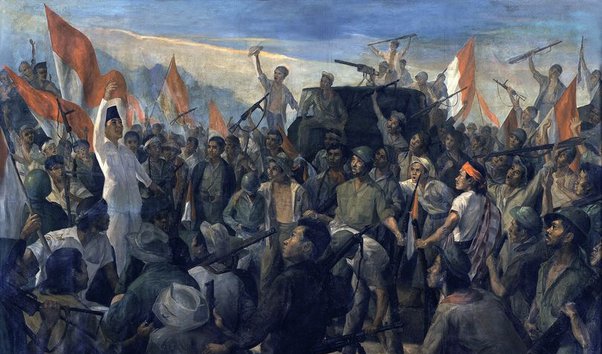
politicalphishing.com – The Indonesian Revolution, also known as the Indonesian National Revolution or the Indonesian Independence War, was a pivotal period in the history of Indonesia. It marked the country’s struggle for independence from Dutch colonial rule following World War II. This revolution, spanning from 1945 to 1949, was not only a military conflict but also a political and diplomatic battle that ultimately led to the birth of the Republic of Indonesia as a sovereign nation.

The Dawn of Independence

The seeds of the Indonesian Revolution were sown on August 17, 1945, when Sukarno, a prominent nationalist leader, proclaimed Indonesia’s independence. This proclamation, known as the Proclamation of Indonesian Independence, was a bold move made in the power vacuum left by the Japanese surrender at the end of World War II. The Dutch, however, were determined to reassert their colonial authority, leading to a protracted conflict.

The Struggle for Recognition

The newly declared Republic of Indonesia faced significant challenges in gaining international recognition. The Dutch, supported by other colonial powers, sought to regain control over their lucrative colony. The Indonesian leaders, led by Sukarno and Mohammad Hatta, embarked on a diplomatic offensive, appealing to the United Nations and seeking support from countries sympathetic to their cause.

Military Conflict

The revolution was not confined to diplomatic halls. It also manifested as a military conflict. The Indonesian nationalists, comprising various militias and the newly formed Indonesian National Armed Forces (TNI), fought against the Dutch forces. The conflict was marked by guerrilla warfare, skirmishes, and significant battles, such as the Battle of Surabaya, which became a symbol of Indonesian resistance.

The Role of International Pressure

The Indonesian struggle for independence gained momentum with the support of newly independent nations and the international community. The Cold War context, with the United States and the Soviet Union vying for influence in Asia, played a role in pressuring the Dutch to negotiate. The United Nations also played a crucial role in mediating the conflict and pushing for a peaceful resolution.

The Path to Sovereignty

The turning point came in 1947 and 1948 with two Dutch military interventions, known as “police actions,” which aimed to crush the Indonesian Republic but instead garnered international outrage and further solidified support for Indonesian independence. The Linggadjati Agreement and the Renville Agreement were attempts at ceasefire and negotiation, but it was the Round Table Conference in 1949 that finally led to the transfer of sovereignty from the Netherlands to the United States of Indonesia.

Legacy

The Indonesian Revolution was a defining moment in the history of Indonesia. It forged a sense of national identity and unity among a diverse archipelago of islands. The revolution’s legacy is evident in the country’s national holidays, monuments, and the stories of its heroes. It also set a precedent for decolonization movements in other parts of the world, contributing to the wave of independence that swept across Asia and Africa in the post-World War II era.

Conclusion

The Indonesian Revolution was a complex and multifaceted struggle that involved military, political, and diplomatic efforts. It was a testament to the Indonesian people’s resilience and determination to achieve independence. The revolution not only led to the birth of a new nation but also left a lasting impact on the global stage, inspiring other nations in their quest for self-determination. The legacy of the Indonesian Revolution continues to influence the country’s development and its role in the international community.

Mastering the Craft in the 80s: Meryl Streep

politicalphishing.com – The 1980s were a transformative decade for the film industry, marked by the rise of blockbuster hits, the emergence of new genres, and the evolution of acting as a craft. Amidst this cinematic revolution, Meryl Streep stood out as a beacon of talent, versatility, and dedication. Her work during this decade not only solidified her status as one of the greatest actresses of her generation but also left an indelible mark on the art of acting itself.

The Early 80s: A Promising Start

Meryl Streep’s journey into the limelight began in the late 70s, but it was in the early 80s that she truly started to make her mark. Her performance in “The Deer Hunter” (1978) had already earned her an Academy Award nomination, but it was her role in “Kramer vs. Kramer” (1979) that won her the Oscar for Best Supporting Actress. This was just the beginning. The 1980s would see Streep take on a variety of roles, each more challenging than the last, showcasing her incredible range and ability to transform herself for the screen.

The Middle 80s: A Decade of Diversity

The middle of the decade saw Streep tackle roles that were as diverse as they were demanding. In “Sophie’s Choice” (1982), she portrayed a Holocaust survivor struggling with the trauma of her past, earning her the Academy Award for Best Actress. This role was a testament to her ability to delve deep into the psyche of her characters, bringing their pain and complexity to the forefront.

Following this triumph, Streep continued to surprise audiences and critics alike with her versatility. She took on the role of Karen Silkwood in “Silkwood” (1983), a film that highlighted the dangers of corporate greed and the fight for justice. Her portrayal of the whistleblower was both powerful and poignant, earning her yet another Oscar nomination.

The Late 80s: Consolidation and Innovation

As the decade drew to a close, Meryl Streep’s reputation as a master of her craft was unassailable. She continued to push boundaries, taking on roles that allowed her to explore new facets of her talent. In “Out of Africa” (1985), she portrayed Karen Blixen, a Danish aristocrat who navigates love, loss, and resilience in colonial Kenya. Her performance was once again recognized with an Academy Award nomination.

The late 80s also saw Streep collaborate with some of the most respected directors of the time, including Mike Nichols in “Heartburn” (1986) and Alan J. Pakula in “A Cry in the Dark” (1988), also known as “Evil Angels” in some regions. Each role was a testament to her ability to adapt and evolve, never resting on her laurels but always seeking new challenges.

Legacy of the 80s

Meryl Streep’s work in the 1980s set a benchmark for acting excellence that few have been able to match. Her dedication to her craft, her fearless approach to diverse roles, and her ability to disappear into her characters have left an indelible mark on the film industry. Throughout the decade, she received an astonishing 10 Oscar nominations, winning two, a record for any actor in a single decade.

Beyond the accolades, Streep’s legacy from the 80s is the inspiration she provided to future generations of actors. Her work demonstrated that with talent, hard work, and a commitment to the craft, an actor could achieve both critical acclaim and commercial success. Meryl Streep’s mastery of the craft in the 80s remains a testament to her enduring talent and her pivotal role in the history of cinema.

Affordable Travel in Vietnam: Asian Adventures

politicalphishing.com – Vietnam, with its breathtaking landscapes, vibrant culture, and delicious cuisine, has become a hotspot for travelers seeking an affordable Asian adventure. From the bustling streets of Hanoi to the serene beaches of Nha Trang, Vietnam offers a plethora of experiences without breaking the bank. In this article, we’ll explore how you can enjoy the wonders of Vietnam without overspending.

Budget-Friendly Accommodations

One of the keys to affordable travel in Vietnam is choosing the right place to stay. Vietnam offers a wide range of accommodations to suit every budget, from hostels and guesthouses to budget hotels and homestays. In cities like Ho Chi Minh City and Hanoi, you can find comfortable hostel dorms for as little as $5-$10 per night, while private rooms in guesthouses start at around $15-$20. For those seeking more privacy, budget hotels can be found for $20-$30 per night, often including breakfast.

Street Food Delights

Vietnamese cuisine is a melting pot of flavors, and the best way to experience it is by diving into the street food scene. A meal at a street food stall can cost as little as $1-$2, offering delicious options like phở (beef noodle soup), bánh mì (Vietnamese sandwich), and spring rolls. Local markets and food courts are also great places to sample a variety of dishes at low prices.

Affordable Transportation

Getting around Vietnam on a budget is easy with the country’s extensive and affordable transportation network. Local buses are the cheapest option for traveling between cities, with fares starting at just a few dollars. For those looking for more comfort and speed, open-bus tickets with companies like The Sinh Tourist or Hanh Cafe offer hop-on, hop-off services along the coast for around $10-$20 per leg. Trains are another cost-effective way to travel, with the Reunification Express connecting Hanoi and Ho Chi Minh City for as little as $20-$30 for a soft seat.

Free and Low-Cost Attractions

Vietnam is home to numerous attractions that won’t cost you an arm and a leg. Explore the ancient town of Hoi An, where entry tickets are only required for certain historical sites, or visit the Imperial City in Hue for a small fee. Nature lovers can enjoy the beaches of Mui Ne or the mountains of Sapa without paying high entrance fees. For a nominal cost, you can take part in local experiences like a cooking class or a cyclo tour, offering insights into Vietnamese life and culture.

Tips for Budget Travelers

  • Travel Off-Peak: Visit during the shoulder seasons (May-June and September-October) to avoid the crowds and enjoy lower prices.
  • Bargain: Don’t be afraid to haggle at markets and with street vendors; it’s part of the culture.
  • Use Local SIM Cards: Stay connected with a local SIM card, which offers data packages for as little as $5 per month.
  • Book Online: Take advantage of online booking for accommodations and transportation to secure the best deals.

Conclusion

Vietnam is a treasure trove of affordable travel experiences. With careful planning and an adventurous spirit, you can explore this beautiful country without spending a fortune. Whether you’re wandering through ancient towns, savoring street food, or relaxing on pristine beaches, Vietnam offers an unforgettable adventure that won’t break the bank. So pack your bags and get ready for an Asian adventure that’s easy on your wallet and rich in experiences.

Narrative in Fashion Show Production: The Power of Storytelling

politicalphishing.com – In the ever-evolving landscape of fashion, where trends come and go with the changing seasons, one element remains a constant force: the power of storytelling. Storytelling in fashion show production is not merely about presenting clothes; it’s about creating an immersive experience that captivates the audience, resonates with the brand’s ethos, and leaves a lasting impression. It’s about weaving a narrative that transforms a mere catwalk into a stage where dreams, emotions, and ideas come to life.

The Art of Narrative

At its core, fashion is a form of self-expression, a visual language that communicates without words. When combined with the art of storytelling, fashion shows transcend their primary function of showcasing garments to become a medium through which designers can share their vision, values, and creativity. The narrative chosen for a fashion show can be as varied as the designers themselves, ranging from personal anecdotes and cultural references to social commentary and futuristic fantasies.

Setting the Scene

The power of storytelling in fashion show production begins with setting the scene. From the choice of venue to the design of the set, every element contributes to the overall narrative. A designer might opt for a grand, historical setting to evoke a sense of timeless elegance, or a raw, industrial space to convey a message of modernity and innovation. Lighting, sound, and even scent can be manipulated to enhance the atmosphere and draw the audience deeper into the story.

Casting Characters

Just as important as the setting are the characters that populate the narrative—the models who bring the garments to life. Casting is a critical aspect of storytelling in fashion, as the models’ looks, personalities, and the way they move can significantly impact how the audience perceives the collection. Designers often select models who embody the spirit of their brand or the theme of the show, ensuring that every detail aligns with the overarching narrative.

The Role of Music and Movement

Music is the heartbeat of a fashion show, setting the pace and tone of the narrative. It can evoke nostalgia, excitement, or introspection, guiding the audience’s emotional journey through the collection. Choreography, too, plays a crucial role in storytelling, as the way models move on the runway can highlight the garments’ features and contribute to the story’s development.

Storytelling Through Design

The garments themselves are the most direct form of storytelling in fashion. Designers use color, texture, silhouette, and detail to communicate their narrative, often drawing inspiration from a wide range of sources. Whether it’s the opulence of the Renaissance, the rebellion of punk, or the optimism of the future, the clothes tell a story that the audience can interpret and connect with on a personal level.

The Impact of Storytelling

The power of storytelling in fashion show production extends beyond the immediate experience of the audience. A compelling narrative can elevate a fashion show from a mere presentation to a cultural event, generating buzz and media coverage that can significantly boost a brand’s profile. Moreover, storytelling creates a deeper connection between the brand and its customers, fostering loyalty and a sense of community among those who resonate with the brand’s message.

Conclusion

In the world of fashion, where the visual is paramount, storytelling adds depth and meaning. It transforms a fashion show from a simple display of clothes into a multifaceted experience that engages the senses, stirs the emotions, and leaves a lasting impact. As fashion continues to evolve, the art of storytelling remains a powerful tool for designers to express their creativity, connect with their audience, and leave a mark on the industry.

Historical Tales from a Forgotten Isle: Island Echoes

politicalphishing.com – Nestled in the vast expanse of the ocean, there lies an island, a place where time seems to have paused, allowing the past to whisper its secrets to those who listen. This island, once a bustling hub of activity, now stands as a silent witness to history, its echoes a testament to the lives that once thrived within its embrace. “Island Echoes: Historical Tales from a Forgotten Isle” is a journey through the annals of this secluded land, uncovering the stories that have been etched into its very soul.

The Forgotten Isle: The island, known to its inhabitants as “Echo Isle,” was once a vibrant community, a melting pot of cultures and traditions. Its strategic location made it a significant trading post, attracting sailors, merchants, and adventurers from distant shores. However, as the tides of time shifted, so did the fortunes of the island. It was gradually forgotten by the outside world, left to the mercy of the elements and the memories of those who once called it home.

Historical Tales: “Island Echoes” delves into the rich tapestry of tales that have been passed down through generations. From the legend of the first settlers, who arrived on the island’s shores guided by the stars, to the tales of pirates and hidden treasures, each story is a thread in the island’s intricate history.

The book explores the island’s cultural heritage, detailing the festivals and rituals that were once celebrated with great fervor. It also sheds light on the island’s flora and fauna, which have adapted and evolved in isolation, creating a unique ecosystem that is a marvel to behold.

The Resilience of the Inhabitants: The inhabitants of Echo Isle are a testament to resilience. Despite facing isolation and the challenges posed by their environment, they have managed to preserve their way of life. “Island Echoes” highlights the struggles and triumphs of these people, from their ingenious methods of agriculture and fishing to their intricate craftsmanship and artistry.

The Legacy of Echo Isle: As the world continues to evolve at a rapid pace, the stories of Echo Isle serve as a reminder of our past. They are a beacon of hope, showing us the strength of community and the importance of preserving our heritage. “Island Echoes” is not just a collection of tales; it is a call to remember, to cherish, and to protect the echoes of history that still resonate within us.

Conclusion: “Island Echoes: Historical Tales from a Forgotten Isle” is a journey through time, a voyage that takes readers to a place where the past is alive and well. It is a tribute to the island and its people, a celebration of their enduring spirit and the stories that have shaped them. As we turn the pages of this book, we are reminded that no matter how forgotten a place may seem, its echoes can never be silenced. They are a part of us, a part of our collective history, waiting to be discovered and remembered.

Link Alternatif Trisula88: Memastikan Pengalaman Judi Online yang Lancar

Dalam dunia judi online, akses yang mudah dan cepat ke platform adalah kunci untuk pengalaman bermain yang menyenangkan. Link Alternatif Trisula88 sebagai salah satu situs judi online terkemuka, memahami pentingnya ketersediaan ini dan menawarkan link alternatif untuk memastikan pengalaman bermain yang lancar bagi para penggunanya. Artikel ini menjelaskan pentingnya link alternatif dan bagaimana mereka membantu memastikan kenyamanan dan keamanan dalam berjudi online.

1. Mengapa Link Alternatif Penting?

Menghindari Pemblokiran: Di beberapa negara, situs judi online sering kali diblokir oleh pemerintah atau penyedia jasa internet. Link alternatif Trisula88 membantu pemain mengakses situs tanpa hambatan.
Peningkatan Keandalan: Link alternatif juga menyediakan rute tambahan kepada situs utama, yang berarti pengurangan risiko downtime. Hal ini sangat penting, terutama saat bermain game yang membutuhkan koneksi stabil.
2. Bagaimana Link Alternatif Menjamin Keamanan?

Keamanan yang Sama: Meskipun merupakan link alternatif, semua protokol keamanan yang diterapkan pada situs utama Trisula88 tetap aktif. Ini termasuk enkripsi data, verifikasi identitas pengguna, dan kebijakan privasi yang ketat.
Pembaruan Berkala: Trisula88 memastikan bahwa semua link alternatif mereka diperbarui secara berkala untuk menghindari risiko keamanan dan memastikan keandalan.
3. Bagaimana Mengakses Link Alternatif?

Melalui Situs Resmi: Biasanya, link alternatif disediakan langsung di situs resmi Trisula88. Pemain dapat menemukannya di footer situs atau melalui halaman khusus yang menyediakan link alternatif.
Dukungan Pelanggan: Jika mengalami kesulitan menemukan link alternatif, pemain dapat menghubungi layanan pelanggan Trisula88 yang tersedia 24/7. Mereka akan memberikan arahan dan link yang diperlukan.
4. Tips Menggunakan Link Alternatif

Pastikan Sumbernya: Selalu pastikan bahwa link alternatif yang Anda gunakan berasal dari sumber yang terpercaya seperti situs resmi Trisula88.
Gunakan VPN: Jika mengakses dari negara dengan pembatasan internet, menggunakan VPN dapat membantu memastikan koneksi yang lebih aman dan stabil.
5. Kesimpulan
Link alternatif Trisula88 adalah solusi praktis yang menjamin akses tanpa hambatan ke semua layanan dan permainan yang ditawarkan oleh situs ini. Dengan menggunakan link alternatif, pemain dapat menghindari blokir geografis dan menikmati pengalaman bermain yang lancar dan aman. Selalu pastikan untuk mengakses link alternatif dari sumber yang terpercaya dan pertimbangkan penggunaan alat keamanan tambahan seperti VPN untuk pengalaman yang optimal.

Valentino: The Red Queen of Couture

politicalphishing.com – In the ever-evolving world of fashion, where trends come and go like the seasons, there are a select few designers who have managed to etch their names into the annals of haute couture history. Among these esteemed figures, Valentino Garavani stands out as a true visionary, a man whose creations have graced the world’s most glamorous red carpets and whose signature red gowns have become synonymous with elegance and luxury. Known affectionately as “The Red Queen of Couture,” Valentino’s impact on the fashion industry is as enduring as it is profound.

Valentino Clemente Ludovico Garavani was born in 1932 in Voghera, Italy. From a young age, he was drawn to the world of fashion, and after studying at the Parisian school L’Ecole de la Chambre Syndicale de la Couture Parisienne, he quickly rose to prominence. In 1960, he launched his own fashion house in Rome, and it wasn’t long before his designs were capturing the hearts of the international jet set.

Valentino’s aesthetic is characterized by a meticulous attention to detail, a masterful use of color, and an unwavering commitment to quality. His designs are often described as timeless, embodying a classic elegance that transcends fleeting trends. Among his most iconic contributions to fashion is the Valentino red, a shade so vibrant and distinctive that it has become almost as famous as the designer himself. This bold hue has been a signature of the brand, adorning countless gowns, dresses, and ensembles that have become the epitome of sophistication and glamour.

Throughout his career, Valentino has dressed some of the world’s most iconic women, from Jacqueline Kennedy Onassis to Anne Hathaway, and his gowns have been a staple on red carpets around the globe. His ability to create pieces that are both flattering and empowering has made him a favorite among celebrities and socialites alike.

One of Valentino’s most memorable moments came in 2008 when he staged his final haute couture show in Paris. The event was a grand affair, attended by the likes of Madonna, Anne Hathaway, and Gwyneth Paltrow, and it served as a fitting tribute to a career that had spanned over four decades. The collection was a testament to Valentino’s enduring talent, featuring exquisite gowns that were both innovative and quintessentially Valentino.

Despite stepping down from his eponymous fashion house, Valentino’s legacy lives on. Under the creative direction of Pierpaolo Piccioli, the brand has continued to thrive, maintaining its commitment to craftsmanship and elegance while introducing a new vision that resonates with contemporary audiences. The brand’s ready-to-wear collections, accessories, and fragrances continue to be coveted by fashion enthusiasts worldwide.

Valentino’s influence extends beyond the catwalk. He has been recognized with numerous awards and honors throughout his career, including the Neiman Marcus Fashion Award, the CFDA Award for International Designer of the Year, and the Chevalier de la Legion d’honneur from the French government. His work has been celebrated in exhibitions at prestigious institutions such as the Metropolitan Museum of Art in New York and the Palazzo Pitti in Florence.

As “The Red Queen of Couture,” Valentino has left an indelible mark on the fashion world, one that continues to inspire and enchant. His dedication to beauty, his passion for his craft, and his ability to create pieces that make women feel like the best version of themselves have cemented his place as one of the greatest designers of all time. Valentino’s legacy is not just in the clothes he created, but in the way he changed the way the world perceives fashion—as an art form that can elevate, empower, and endure.

Artemis Program: A New Chapter in Beyond and Lunar Exploration

politicalphishing.com – The Artemis Program, led by NASA, represents a bold new chapter in space exploration, with the ambitious goal of returning humans to the Moon and establishing a sustainable presence there. Named after the Greek goddess of the Moon and twin sister of Apollo, the Artemis Program is a direct successor to the Apollo missions of the 1960s and 1970s. This initiative is not just about revisiting the past; it’s about paving the way for future exploration, including missions to Mars and beyond.

The Vision of Artemis:
The Artemis Program is envisioned as a global endeavor, bringing together nations, private industry, and international space agencies to collaborate on lunar exploration. The ultimate goal is to use the Moon as a stepping stone for deeper space missions, leveraging its unique environment to test technologies and operational concepts that will be critical for future Mars expeditions.

Key Milestones:
The Artemis Program is structured around several key milestones:

  1. Artemis I: An uncrewed test flight of the Space Launch System (SLS) rocket and the Orion spacecraft, which will orbit the Moon and return to Earth. This mission is designed to test the integrated systems before human spaceflight.
  2. Artemis II: The first crewed flight of the Orion spacecraft, which will take astronauts on a lunar flyby, demonstrating the capabilities needed for human lunar landings.
  3. Artemis III: The mission that will return humans to the lunar surface, with the goal of landing the first woman and the next man on the Moon, likely at the South Pole. This mission will rely on the Gateway, a lunar orbit space station, and commercial lunar landers.
  4. Artemis IV and Beyond: Following the initial lunar landings, the program will focus on establishing a sustainable human presence on the Moon, conducting scientific research, and developing the technologies needed for long-duration space missions.

The Gateway:
A key component of the Artemis Program is the Gateway, an orbiting lunar outpost that will serve as a solar-powered communications hub, science laboratory, short-term habitation module, and holding area for rovers and other robots. The Gateway will also provide a platform for launching expeditions to the lunar surface and serve as a critical staging point for future Mars missions.

International Collaboration:
The Artemis Accords, a series of international agreements, aim to foster cooperation among nations for the peaceful exploration and use of the Moon, Mars, and other celestial bodies. Countries that have signed the accords agree to share scientific data, minimize the risks to the space environment, and support each other’s missions. This collaborative approach is essential for the success of the Artemis Program and reflects the growing importance of international partnerships in space exploration.

The Role of Commercial Space:
NASA is also relying on commercial space companies to develop the lunar landers that will transport astronauts to and from the lunar surface. This public-private partnership leverages the innovation and efficiency of the private sector to accelerate the pace of space exploration. Companies like SpaceX, Blue Origin, and Dynetics are competing to develop the next-generation lunar landers that will be integral to the Artemis missions.

Conclusion:
The Artemis Program is a testament to humanity’s enduring spirit of exploration and discovery. By returning to the Moon and establishing a sustainable presence there, Artemis lays the groundwork for an era of lunar science, technology development, and international cooperation. As we look to the stars, the lessons learned from Artemis will be invaluable as we prepare to venture even further into the cosmos, with our sights set on Mars and beyond. The journey has begun, and the future of space exploration is brighter than ever.

The Influence of Monarchs on Gastronomy: Royal Taste

politicalphishing.com – Throughout history, monarchs have not only ruled kingdoms and empires but have also significantly influenced the culinary world. Their tastes, preferences, and sometimes eccentricities have shaped the course of gastronomy, introducing new ingredients, techniques, and dishes that have endured for centuries. This article explores the profound impact of royal taste on the evolution of cuisine, from the spice-laden tables of medieval courts to the sophisticated dishes gracing modern royal banquets.

The Spice Trade and Royal Patronage

One of the most significant contributions of monarchs to gastronomy was their role in the spice trade. The desire for exotic flavors and the prestige associated with rare spices led monarchs to sponsor expeditions to distant lands. The spice trade, heavily influenced by royal patronage, brought ingredients such as pepper, cinnamon, nutmeg, and saffron to European courts, transforming the culinary landscape. These spices were not only used for flavor but also as a display of wealth and power. The extravagant use of spices in royal kitchens set trends that trickled down to the nobility and eventually to the broader population.

Innovation in Royal Kitchens

Royal kitchens were hotbeds of culinary innovation. Chefs, under the patronage of monarchs, experimented with new ingredients and techniques, creating dishes that were both opulent and groundbreaking. For instance, the French court under King Louis XIV saw the development of haute cuisine, a style of cooking that emphasized technique, presentation, and flavor. The royal chefs’ inventiveness led to the creation of dishes that are still celebrated today, such as the Béchamel sauce, named after Louis XIV’s finance minister.

The Introduction of New Ingredients

Monarchs have also played a crucial role in the introduction and popularization of new ingredients. The most notable example is the tomato, which was brought to Europe from the Americas. Initially viewed with suspicion, tomatoes found favor in royal courts, particularly in Italy, where they were embraced by the Bourbon kings of Naples. This royal endorsement helped tomatoes become a staple of Italian cuisine, leading to the creation of iconic dishes like pizza and pasta sauces.

Cultural Exchange and Fusion

Royal marriages and alliances facilitated cultural exchanges that had a profound impact on gastronomy. For example, the marriage of Catherine de’ Medici to the future King Henry II of France in the 16th century is credited with introducing French cuisine to Italian culinary techniques and ingredients. This fusion of culinary traditions elevated French cooking, leading to the development of the elaborate French cuisine that is renowned worldwide.

Modern Influence

Even in the modern era, monarchs continue to influence gastronomy. Royal weddings, state dinners, and other events are occasions for showcasing the best of national and international cuisine. Chefs working in royal households today are tasked with balancing tradition with innovation, creating menus that reflect the heritage and contemporary tastes of the monarchy. These events often highlight local produce and emerging culinary trends, influencing public perception and dining habits.

Conclusion

The influence of monarchs on gastronomy is a testament to the power of taste in shaping culture and society. From the spice-laden feasts of medieval courts to the sophisticated dishes served at modern royal banquets, the culinary preferences of monarchs have left an indelible mark on the world of food. As we continue to enjoy the dishes and ingredients that have been shaped by royal taste, we can appreciate the rich history and cultural exchange that have contributed to the diverse and vibrant culinary landscape we know today.

A Closer Look: Venus’ Inhospitable Surface

politicalphishing.com – Venus, Earth’s closest planetary neighbor, has long fascinated scientists and space enthusiasts alike. Despite its proximity and similarities in size and mass to Earth, Venus presents an environment that is utterly inhospitable to human life as we know it. This harsh environment is the result of a combination of extreme conditions, including a dense, toxic atmosphere, scorching surface temperatures, and crushing atmospheric pressure. Let’s take a closer look at these aspects that make Venus’ surface so inhospitable.

Atmosphere

Venus’ atmosphere is primarily composed of carbon dioxide (CO2), with clouds of sulfuric acid. This thick atmosphere traps heat through a runaway greenhouse effect, leading to surface temperatures hot enough to melt lead. The atmospheric pressure at the surface is about 92 times that of Earth’s at sea level, equivalent to the pressure experienced at a depth of nearly 1 kilometer under Earth’s oceans.

Temperature

The average surface temperature on Venus is about 462°C (863°F), making it the hottest planet in our solar system, even though it is not the closest to the Sun. This extreme heat is due to the greenhouse effect caused by its dense atmosphere. The same atmospheric conditions also mean that the temperature on Venus varies very little between the night and day sides of the planet, despite the fact that a day on Venus (the time it takes to rotate once on its axis) is longer than a Venusian year (the time it takes to orbit the Sun).

Surface

The surface of Venus is shrouded in mystery due to the thick, opaque atmosphere that obscures it from view. However, radar mapping by spacecraft has revealed a landscape dominated by volcanic features, including vast lava plains, high volcanic mountains, and extensive networks of ridges and fractures. There are also impact craters, but fewer than on other terrestrial planets like Mars and Mercury, suggesting that the surface has been partially resurfaced by volcanic activity in the past few hundred million years.

Acid Rain

Although Venus does not experience water rain as we know it on Earth, it does have phenomena akin to rain and snow. Sulfuric acid droplets in the upper atmosphere can condense and fall like acid rain, but they typically evaporate before reaching the surface due to the increasing temperatures closer to the planet’s crust.

Exploration Challenges

The extreme conditions on Venus pose significant challenges for exploration and the operation of robotic probes. The Soviet Venera missions of the 1970s and 1980s were the first and so far only attempts to land on Venus. Despite their robust design, the Venera landers survived only for a few hours on the surface due to the extreme heat and pressure.

Future Exploration

Despite these challenges, interest in exploring Venus has resurged in recent years. NASA and other space agencies are developing new technologies and missions aimed at studying Venus in greater detail, including potential missions that could withstand the harsh conditions for longer periods. These missions aim to unlock the secrets of Venus’ climate, geology, and potential for past habitability, offering insights into Earth’s own climate and the conditions that can make a planet inhospitable.

In summary, Venus’ inhospitable surface is the result of a combination of extreme atmospheric pressure, scorching temperatures, and a toxic atmosphere. These conditions make it one of the most challenging environments to explore in our solar system, yet also one of the most intriguing for understanding the limits of habitability and the potential fates of terrestrial planets.

The World’s Most Dangerous Countries: Navigating the Hot Zones

politicalphishing.com – In a world that is increasingly interconnected, the concept of safety and security has become a paramount concern for travelers, expatriates, and even those living in their home countries. While the definition of danger can vary widely depending on the context, certain countries have gained notoriety for their high levels of violence, political instability, terrorism, and other threats to personal security. These nations, often referred to as “hot zones,” require a heightened level of awareness and caution for anyone considering entering their borders. This article aims to shed light on some of the world’s most dangerous countries, the factors contributing to their volatility, and how individuals can stay safe when navigating these hot zones.

The Criteria for Danger:
Before delving into specific countries, it’s important to understand the criteria that define a nation as dangerous. These can include, but are not limited to, the following factors:

  1. Ongoing armed conflicts and civil wars.
  2. High rates of violent crime, including kidnappings, homicides, and assaults.
  3. Political instability and the risk of coups or revolutions.
  4. Terrorism threats and the presence of extremist groups.
  5. Weak governance and the prevalence of corruption.
  6. Economic instability and poverty.
  7. Health risks, including exposure to diseases and inadequate medical facilities.

The World’s Most Dangerous Countries:
While the situation in any country can change rapidly, as of the latest available data, the following countries are often cited as among the most dangerous in the world:

  1. Syria: Torn by a brutal civil war since 2011, Syria has become a hotbed of violence, with numerous factions vying for control. The country has seen extensive destruction, displacement of millions, and a high number of casualties.
  2. Afghanistan: Despite the withdrawal of international troops, Afghanistan remains a country fraught with conflict, terrorism, and human rights abuses. The Taliban’s resurgence has led to increased instability and violence.
  3. Somalia: For decades, Somalia has struggled with clan-based conflicts, piracy, and the presence of terrorist groups like Al-Shabaab. The country’s central government has limited control over much of the territory.
  4. Yemen: The Yemeni Civil War has exacerbated an already dire humanitarian situation, leading to widespread famine, disease, and a collapsed healthcare system.
  5. Iraq: Although Iraq has made strides in reducing violence since the height of the Iraq War, it still faces significant challenges, including terrorism, sectarian tensions, and political instability.
  6. South Sudan: Since gaining independence in 2011, South Sudan has been embroiled in a civil war that has led to massive displacement, famine, and human rights violations.
  7. Venezuela: Economic collapse, political turmoil, and widespread crime have made Venezuela one of the most dangerous countries in the Western Hemisphere.

Staying Safe in Hot Zones:
For those who find themselves in or traveling to these hot zones, there are several steps that can be taken to enhance personal safety:

  1. Stay Informed: Keep abreast of the latest news and travel advisories from reliable sources.
  2. Register with your Embassy: Ensure that your government knows you are in the country in case of emergencies.
  3. Secure Accommodations: Stay in reputable hotels or secure housing with reliable safety measures.
  4. Avoid High-Risk Areas: Stay away from known conflict zones, demonstrations, and areas with a high crime rate.
  5. Maintain a Low Profile: Avoid drawing attention to yourself and respect local customs and laws.
  6. Have an Emergency Plan: Always have a plan for evacuation and know the quickest routes to safety.
  7. Travel with Security: Consider hiring local security experts or traveling with a reputable tour company that has experience in the region.

Conclusion:
The world’s most dangerous countries are characterized by a complex web of issues that make them perilous for both residents and visitors. While the allure of adventure or the necessity of work may draw people to these hot zones, it is crucial to approach them with caution and respect for the volatile conditions they present. By understanding the risks and taking appropriate safety measures, individuals can navigate these challenging environments with a greater degree of security. However, it is essential to remember that no amount of preparation can guarantee safety in a truly unpredictable situation, and the best course of action may sometimes be to avoid these hot zones altogether.

The Basics: Understanding Cancer

politicalphishing.com – Cancer is a complex group of diseases marked by uncontrolled growth and spread of abnormal cells. It can affect any part of the body and has the potential to invade or spread to other parts of the body. Understanding the basics of cancer is essential for prevention, early detection, and treatment.

What is Cancer?

At the cellular level, cancer begins when there is a mutation in the DNA of a cell. This mutation leads to uncontrolled cell division and the accumulation of cells in a mass, known as a tumor. Not all tumors are cancerous; benign tumors do not invade nearby tissues or spread to other parts of the body, whereas malignant tumors do.

Types of Cancer

Cancer can be categorized by the type of cell in which it originates:

  • Carcinomas: These originate in the skin, tissues that line internal organs, or glands that produce fluids. Examples include breast, lung, and colon cancer.
  • Sarcomas: These develop in bone, cartilage, fat, muscle, blood vessels, or other connective or supportive tissue.
  • Leukemias: These are cancers of the blood-forming tissues, such as the bone marrow, and result in the overproduction of abnormal blood cells.
  • Lymphomas: These affect the lymphatic system, which is part of the body’s germ-fighting network.
  • Central nervous system cancers: These include cancers of the brain and spinal cord.

Causes of Cancer

The exact cause of cancer is often unknown, but several factors can increase the risk of developing cancer, including:

  • Genetic factors: Inherited genetic mutations can predispose individuals to certain types of cancer.
  • Environmental factors: Exposure to carcinogens such as tobacco smoke, radiation, and certain chemicals can increase cancer risk.
  • Lifestyle choices: Diet, physical activity, and habits like smoking and drinking alcohol can influence cancer risk.
  • Viral infections: Certain viruses have been linked to cancer, such as human papillomavirus (HPV) and hepatitis B and C.

Symptoms of Cancer

Cancer symptoms vary widely depending on the type and location of the cancer. Some common signs that may indicate the presence of cancer include:

  • A lump or area of thickening under the skin
  • Persistent changes in bowel or bladder habits
  • Unusual bleeding or discharge from any part of the body
  • A sore that does not heal
  • Persistent indigestion or discomfort after eating
  • Obvious changes in a wart or mole
  • Nagging cough or hoarseness

Diagnosis and Treatment

Cancer is typically diagnosed through a combination of medical history, physical examination, and diagnostic tests such as biopsies, imaging scans, and blood tests.

Treatment options for cancer depend on the type and stage of the disease and may include:

  • Surgery: To remove the cancerous tumor and some surrounding tissue.
  • Radiation therapy: Uses high-energy rays to kill cancer cells.
  • Chemotherapy: Uses drugs to destroy cancer cells.
  • Immunotherapy: Helps the immune system fight cancer.
  • Targeted therapy: Targets the specific genes, proteins, or the tissue environment that contributes to cancer growth and survival.
  • Hormone therapy: Used for cancers that are sensitive to hormones, such as breast and prostate cancer.

Prevention and Screening

Preventive measures can reduce the risk of developing cancer, such as not smoking, maintaining a healthy weight, eating a balanced diet, exercising regularly, and avoiding excessive sun exposure.

Cancer screening tests can detect cancer early, when it is most treatable. Screening recommendations vary by type of cancer and risk factors. It is important to follow the screening guidelines provided by healthcare professionals.

Conclusion

Understanding the basics of cancer is crucial for everyone. Knowledge about the disease can empower individuals to make informed decisions about their health and lifestyle choices. Early detection and treatment are key to improving outcomes for those affected by cancer. It is also important to support cancer research and advocate for policies that promote cancer prevention and care. Together, we can work towards a future where cancer is no longer a leading cause of death and suffering.

Dreams of a Child: The Sky’s the Limit

politicalphishing.com – In the boundless expanse of a child’s imagination, the sky is not merely a canvas painted with the hues of daybreak and twilight; it is a symbol of infinite possibilities, a realm where dreams take flight and the extraordinary becomes the norm. The phrase “The Sky’s the Limit” encapsulates the essence of a child’s aspirations, unbounded by the constraints of reality, fueled by an insatiable curiosity and a belief that anything is achievable.

From the earliest stages of life, children are natural dreamers. Their minds, unencumbered by the cynicism and limitations that often accompany adulthood, are fertile ground for the cultivation of dreams. These dreams are as diverse as the children who dream them, ranging from the simple joys of flying like a bird or swimming with the fishes to the grand ambitions of becoming an astronaut, exploring distant galaxies, or a superhero, saving the world from peril.

The beauty of a child’s dream lies in its purity and simplicity. It is not marred by the complexities of implementation or the fear of failure. A child’s imagination knows no bounds, and in their dreams, they are free to explore, create, and conquer. These dreams are not just flights of fancy; they are the seeds of future achievements and the driving force behind personal growth and development.

The role of adults in nurturing these dreams cannot be overstated. Parents, teachers, and mentors are the guardians of a child’s imagination, responsible for providing the support, encouragement, and resources necessary for these dreams to flourish. It is through positive reinforcement and the creation of an environment that fosters creativity and exploration that children are empowered to believe in the limitless nature of their potential.

Education plays a pivotal role in this process, offering children the tools they need to turn their dreams into reality. By exposing them to a wide range of subjects and experiences, education broadens their horizons and opens up new avenues for dreaming. It teaches them that with hard work, determination, and a willingness to learn, they can achieve their wildest dreams.

However, the journey from dream to reality is not without its challenges. As children grow, they encounter the harsh realities of the world, which can sometimes dampen their spirits and lead them to doubt the feasibility of their dreams. It is during these moments that the support of adults is most crucial. By reminding children that setbacks are not failures but opportunities for growth, adults can help them maintain their belief in the limitless nature of their potential.

In a world that often seems to place limits on what is possible, the dreams of a child serve as a powerful reminder that the sky truly is the limit. They challenge us to look beyond our perceived boundaries and to embrace the boundless possibilities that life has to offer. As we encourage and support the dreams of children, we not only help shape the future but also rediscover the magic of dreaming for ourselves.

In conclusion, the dreams of a child are a testament to the power of imagination and the endless possibilities that life holds. They remind us that with belief in oneself and the support of others, there are no limits to what can be achieved. As we nurture these dreams, we sow the seeds of a future where the sky is not just the limit but the beginning of an infinite journey of discovery and achievement.

Vroom with a View: Women’s Motorcycle Travelogues

politicalphishing.com – In the world of motorcycle travel, a new narrative is emerging, one that is not just about the thrill of the ride but also about the stories of women who dare to venture out on their own terms. “Vroom with a View: Women’s Motorcycle Travelogues” is a celebration of these intrepid women who have chosen the open road as their canvas, painting their journeys with tales of courage, camaraderie, and the quest for freedom. This article delves into the lives and adventures of these women, showcasing their unique perspectives and the transformative power of motorcycle travel.

The Rise of Women Motorcyclists:
Once a domain dominated by men, the world of motorcycling has seen a significant rise in the number of women riders. From weekend warriors to seasoned globetrotters, women are taking to the roads in greater numbers, challenging stereotypes and redefining what it means to be a motorcyclist. This shift has been accompanied by a surge in women’s motorcycle travelogues, offering fresh insights into the joys and challenges of life on two wheels.

The Allure of the Open Road:
For many women riders, the appeal of motorcycle travel lies in the unparalleled sense of freedom and connection to the environment. Unlike traveling in a car, a motorcycle offers an unobstructed view of the landscape, with the wind in your face and the sun on your back. This intimate relationship with the road and the surroundings fosters a deep sense of adventure and self-discovery.

Overcoming Challenges:
Women motorcycle travelers often face unique challenges, from societal expectations to practical concerns such as finding appropriate gear and accommodations. However, these obstacles are met with resilience and resourcefulness. Many travelogues detail the strategies and support systems these women have developed, from joining all-female motorcycle clubs to creating online communities that share advice and encouragement.

Inspiring Tales of Adventure:
“Vroom with a View” features a diverse array of travelogues, each with its own unique flavor. Some women have embarked on solo journeys across continents, while others have taken part in group rides that span thousands of miles. These narratives are filled with encounters with locals, navigating through diverse terrains, and the occasional mechanical mishap, all of which contribute to the rich tapestry of their experiences.

The Impact of Travelogues:
Women’s motorcycle travelogues are more than just accounts of personal journeys; they are powerful tools for inspiration and empowerment. They demonstrate that with determination and a sense of adventure, anyone can break free from their comfort zone and explore the world. These stories encourage other women to take up motorcycling, offering proof that the open road is as much their domain as anyone else’s.

Conclusion:
“Vroom with a View: Women’s Motorcycle Travelogues” is a testament to the spirit of adventure that resides in all of us. It is a reminder that the journey is just as important as the destination and that the road less traveled often leads to the most rewarding experiences. As more women share their stories, they continue to break down barriers and pave the way for future generations of riders. Whether it’s a weekend getaway or a cross-continental expedition, these travelogues are a tribute to the women who have embraced the call of the open road and found freedom in the vroom of their engines.

A Global Festival Odyssey: Rhythms of the Earth

politicalphishing.com – In the heart of cultural diversity lies the universal language of rhythm, a pulsating force that unites people across the globe. “Rhythms of the Earth: A Global Festival Odyssey” is a journey through the vibrant tapestry of global festivals, each with its unique rhythms, dances, and traditions. This odyssey is not just a celebration of music and dance; it’s a deep dive into the soul of communities, where the rhythms of the earth come alive in a symphony of colors, sounds, and movements.

The Rhythmic Heartbeat of Africa:
Our journey begins in Africa, the cradle of humanity, where the rhythms are as ancient as the continent itself. From the high-energy beats of the Kpanlogo dance in Nigeria to the mesmerizing rhythms of the Djembe in Mali, Africa’s festivals are a testament to the continent’s rich cultural heritage. The Festival of the Masks in the Ivory Coast, for example, showcases the intricate dances and masks that tell stories of ancestral spirits and the connection between the living and the dead.

Europe’s Melting Pot of Melodies:
Moving to Europe, we encounter a different yet equally captivating array of rhythms. The spirited flamenco of Spain, with its passionate footwork and clapping, contrasts with the serene melodies of the Scandinavian yoik, a traditional Sami vocalization that harmonizes with the Arctic landscapes. The Carnival of Venice, with its masked balls and elaborate costumes, offers a rhythm of mystery and intrigue, while the Oktoberfest in Munich brings a rhythm of joyous celebration, with beer steins clinking in unison.

The Syncopated Sounds of the Americas:
The Americas are a melting pot of cultures, and their festivals reflect this diversity. The Rio de Janeiro Carnival in Brazil is a kaleidoscope of samba rhythms, vibrant costumes, and elaborate floats, embodying the country’s joyous spirit. In contrast, the Day of the Dead in Mexico offers a rhythm of remembrance, with its intricate altars and processions honoring the deceased. The Pow Wow gatherings of Native American tribes in the United States and Canada showcase the rhythms of indigenous cultures, with drumming and dancing that tell stories of heritage and resilience.

Asia’s Harmony of Rhythms:
Asia’s festivals are a testament to the continent’s vast cultural diversity. The lively beats of the Chhath Puja in India, where devotees offer prayers to the sun god, contrast with the serene rhythm of the tea ceremonies in Japan, which embody the principles of harmony, respect, purity, and tranquility. The Lantern Festival in China, with its dragon dances and lanterns illuminating the night, offers a rhythm of light and hope, while the Songkran Water Festival in Thailand brings a playful rhythm of water-throwing and street parties to celebrate the New Year.

Oceania’s Rhythms of the Sea:
In Oceania, the rhythms are deeply connected to the sea and the land. The Hula dance in Hawaii tells stories of the islands through graceful movements and chants, while the Corroboree in Australia showcases the rich culture of Aboriginal peoples, with its intricate body paintings and dances that pass down stories and laws from generation to generation.

Conclusion:
“Rhythms of the Earth: A Global Festival Odyssey” is a testament to the power of rhythm to bring people together, transcending language and cultural barriers. Each festival is a window into the soul of a community, a celebration of life, and a tribute to the ancestors. As we travel through these global festivities, we are reminded of our shared humanity and the universal language of rhythm that connects us all. This odyssey is not just an exploration of the world’s cultures; it’s a celebration of the rhythms that make our planet a vibrant, pulsating mosaic of life.

Philosophies of Famous Writers: Ink and Insight

politicalphishing.com – Writing is not merely the act of putting words on paper; it is a profound expression of thought, emotion, and philosophy. Throughout history, writers have been the torchbearers of human insight, offering perspectives that challenge, comfort, and inspire. From the classical to the contemporary, each writer’s unique philosophy has left an indelible mark on the literary landscape. This article delves into the lives and philosophies of some of the most influential writers, exploring the ideas that shaped their work and, in turn, the world.

  1. Plato: The Philosopher’s Legacy
    Plato, an ancient Greek philosopher, laid the groundwork for Western philosophy through his dialogues. His work, particularly “The Republic,” explores the concept of justice, the ideal state, and the philosopher-king. Plato’s philosophy is deeply intertwined with his writing, as he believed that the pursuit of knowledge and truth was the ultimate goal of human existence. His Socratic method of questioning and his theory of forms have influenced countless writers and thinkers, emphasizing the importance of critical thinking and the pursuit of wisdom.
  2. William Shakespeare: The Bard’s Humanism
    William Shakespeare, often hailed as the greatest writer in the English language, infused his plays and sonnets with a profound humanism. Through characters like Hamlet, King Lear, and Romeo and Juliet, Shakespeare explored the complexities of the human condition, including love, power, and mortality. His philosophy was one of empathy and understanding, showcasing the capacity for greatness and folly within us all. Shakespeare’s works remind us of the enduring nature of human emotions and the timelessness of our struggles.
  3. Mary Wollstonecraft Shelley: A Visionary of Science and Ethics
    Mary Shelley, author of “Frankenstein,” was a pioneer in the realm of science fiction. Her novel, a product of her philosophical musings on science, ethics, and humanity, raises questions about the moral implications of scientific advancement. Shelley’s work reflects her belief in the necessity of compassion and responsibility in the face of progress, a philosophy that remains relevant in our technologically driven age.
  4. Ralph Waldo Emerson: The Voice of Transcendentalism
    Ralph Waldo Emerson was a central figure in the Transcendentalist movement, which emphasized the inherent goodness of both people and nature. His essays, such as “Nature” and “Self-Reliance,” advocate for individualism, nonconformity, and the rejection of societal norms. Emerson’s philosophy encouraged readers to trust their intuition and to find truth and beauty in the natural world, a message that resonates with those seeking authenticity and connection.
  5. Virginia Woolf: A Modernist’s Perspective on Consciousness
    Virginia Woolf, a leading modernist writer, revolutionized the novel with her stream-of-consciousness technique. In works like “To the Lighthouse” and “Mrs. Dalloway,” Woolf explored the inner lives of her characters, delving into their thoughts and emotions. Her philosophy was one of empathy and understanding, challenging readers to see the world through the eyes of others. Woolf’s innovative approach to narrative and her exploration of consciousness have left a lasting impact on literature and philosophy.
  6. Albert Camus: The Absurd and the Quest for Meaning
    Albert Camus, a French-Algerian philosopher and writer, is best known for his contribution to existentialism and his concept of the absurd. In “The Myth of Sisyphus,” Camus posits that life is inherently without meaning, yet one must embrace this absurdity and find joy in the struggle. His novels, such as “The Stranger,” reflect this philosophy, presenting characters who confront the indifference of the universe with stoicism and defiance. Camus’s work encourages readers to create their own meaning in a seemingly meaningless world.

Conclusion:
The philosophies of famous writers are a testament to the power of the written word to explore the depths of human experience. From Plato’s quest for truth to Camus’s confrontation with the absurd, these writers have offered profound insights into the nature of existence, ethics, and the human condition. Their works continue to inspire and challenge us, reminding us of the enduring relevance of their philosophies. As we turn the pages of history, we find that the ink of these writers has left more than just words on paper; they have inscribed their insights into the very fabric of our collective consciousness.

Exploring the Wilds of the Rainforest: The Amazon Untamed

politicalphishing.com – “The Amazon Untamed: Exploring the Wilds of the Rainforest” is not a specific book or title that I can provide information on, as it may not exist or could be a hypothetical title. However, if you are interested in exploring the Amazon rainforest through literature, there are many books that delve into the ecology, biodiversity, and cultural significance of this vast and complex ecosystem.

Here are a few books that might interest you if you’re looking to learn more about the Amazon rainforest:

  1. “The Emerald Planet: How Plants Changed Earth’s History” by David Beerling – While not exclusively about the Amazon, this book explores the role of plants in shaping the Earth’s climate and history, including the lush rainforests.
  2. “The Amazon: The Biography of the World’s Mightiest River” by Peter H. Harrison – This book provides an in-depth look at the Amazon River and its impact on the surrounding rainforest and the people who live there.
  3. “The Amazon: River of Dreams” by Peter Fleming – A classic travelogue from the 1930s, this book recounts the author’s journey down the Amazon, offering historical insights and observations of the rainforest.
  4. “The Forest People of Kaua: A Natural History of the Last Great Rainforest of the Amazon” by Michael Goulding – This book focuses on the people and wildlife of the Kaua region of the Amazon, providing a comprehensive look at the ecology and culture of the area.
  5. “In the Amazon: Tales and Trails from the Heart of the Forest” by Redmond O’Hanlon – Known for his humorous and engaging writing style, O’Hanlon recounts his adventures in the Amazon, offering a mix of travelogue and natural history.
  6. “The Hidden Forest: The Biography of an Ecosystem” by David George Haskell – Although not limited to the Amazon, this book explores the intricate relationships within forest ecosystems, which can provide insights into the Amazon’s biodiversity.

If you are looking for a specific book with the title “The Amazon Untamed: Exploring the Wilds of the Rainforest,” it’s possible that it could be a new release, a specialized publication, or a work that has not been widely recognized. In that case, I recommend checking with local libraries, bookstores, or online retailers for the most up-to-date information.

The Architecture of Governance: Palaces and Politics

politicalphishing.com – The relationship between palaces and politics is a complex and multifaceted one, deeply rooted in the history of architecture and governance. Palaces, as centers of power and prestige, have long been associated with the political elite, serving as both residences and symbols of authority. The architecture of governance, therefore, is not just about the physical structures themselves but also about the messages they convey, the functions they serve, and the ways in which they shape political landscapes.

Historical Context

Throughout history, palaces have been central to the exercise of power. In ancient civilizations, such as those in Mesopotamia, Egypt, and China, palaces were not only the residences of kings and emperors but also the administrative centers of their empires. The layout, size, and decoration of these palaces were designed to reflect the grandeur and divine right of the rulers, often incorporating religious and ceremonial spaces.

Symbolism and Power

The architecture of palaces is rich in symbolism, reflecting the political ideologies and ambitions of their patrons. For example, the Forbidden City in Beijing, the largest palace complex in the world, was designed to embody the power and centrality of the Chinese emperor, with its layout mirroring the cosmos according to traditional Chinese beliefs. Similarly, the Palace of Versailles, built by Louis XIV of France, was a deliberate statement of absolute monarchy, with its opulent decoration and vast scale intended to awe and intimidate both courtiers and foreign dignitaries.

Governance and Administration

Palaces have also been the physical centers of governance, housing not only the ruler but also the bureaucracy necessary to administer the state. The layout of these palaces often reflected the organization of government, with specific areas designated for different functions, such as courts, council chambers, and record-keeping. The proximity of officials to the ruler within these spaces could also signify their importance and influence within the political hierarchy.

Modern Interpretations

In the modern era, the role of palaces in politics has evolved, but their significance remains. Many former royal palaces now serve as government buildings, museums, or tourist attractions, reflecting the transition from absolute monarchies to more democratic forms of government. However, the architecture of governance continues to be a powerful tool, with government buildings and capitols designed to convey authority and stability, often incorporating classical elements to evoke a sense of history and permanence.

Conclusion

The architecture of palaces and the spaces of governance are more than just buildings; they are symbols of power, expressions of political ideology, and stages for the enactment of governance. Through their design, layout, and decoration, they have shaped and reflected the political landscapes of their times, embodying the complex relationship between architecture and politics.

Analisis Desain dan User Interface Situs Trisula88

Desain dan user interface (UI) sebuah situs judi online seperti Trisula88 memiliki peran penting dalam menarik dan mempertahankan pengguna. Sebuah desain yang baik tidak hanya memperkuat identitas merek tetapi juga memudahkan pengguna dalam navigasi dan bermain. Berikut adalah analisis mendalam tentang desain dan UI situs Trisula88.

Keramahan Pengguna

Salah satu aspek kunci dari UI yang baik adalah kemudahan navigasi. Trisula88 telah dirancang dengan interface yang intuitif, memungkinkan pengguna baru dan yang sudah berpengalaman untuk dengan mudah menemukan permainan yang mereka cari. Menu dan sub-menu disusun secara logis, dan tombol-tombol penting seperti ‘Daftar’, ‘Login’, dan ‘Dukungan’ mudah diakses dari halaman utama.

Estetika Visual

Desain visual Trisula88 mencerminkan tema kasino modern dengan penggunaan warna-warna cerah dan animasi yang menarik. Hal ini menciptakan suasana bermain yang menyenangkan dan menggugah. Penggunaan grafis berkualitas tinggi dan elemen visual yang konsisten di seluruh situs juga menambah kesan profesionalisme dan kepercayaan.

Responsivitas dan Kompatibilitas

Trisula88 sangat responsif, yang berarti situs ini dapat diakses dengan baik dari berbagai perangkat, baik desktop maupun mobile. Ini sangat penting mengingat banyaknya pengguna yang mengakses situs dari smartphone atau tablet. Kompatibilitas cross-platform memastikan bahwa pengalaman pengguna tetap konsisten, tidak peduli dari perangkat apa mereka mengakses.

Kecepatan Loading

Kecepatan loading situs juga merupakan bagian penting dari pengalaman pengguna. Trisula88 telah dioptimalkan untuk memastikan bahwa halaman-halaman situs memuat dengan cepat, bahkan pada koneksi internet yang lebih lambat. Ini mengurangi frustrasi pengguna dan memungkinkan mereka untuk berpindah dari satu permainan ke permainan lain dengan lancar.

Fitur Interaktivitas

Interaktivitas adalah aspek lain dari UI yang meningkatkan pengalaman pengguna. Trisula88 menyediakan fitur chat langsung yang memungkinkan pengguna untuk berinteraksi dengan dukungan pelanggan secara real-time. Fitur ini sangat berguna ketika pengguna membutuhkan bantuan atau memiliki pertanyaan tentang permainan atau akun mereka.

Kesimpulan

Secara keseluruhan, desain dan user interface situs Trisula88 berhasil membawa pengalaman pengguna yang positif melalui navigasi yang mudah, estetika yang menarik, responsivitas yang baik, kecepatan loading cepat, dan fitur interaktivitas yang efektif. Ini adalah faktor-faktor kunci yang tidak hanya membantu dalam mempertahankan pengguna tetapi juga dalam menarik pengguna baru ke situs.

Link Trisula88 Login: Akses Cepat ke Dunia Perjudian Online

Dalam dunia perjudian online yang penuh dengan keseruan dan tantangan, Trisula88 telah menjadi salah satu platform yang populer dan diminati oleh banyak pemain. Untuk memudahkan akses ke dalam platform ini, Trisula88 menyediakan link login yang praktis dan mudah digunakan.

Link Login yang Mudah Diakses

Link login Trisula88 dirancang untuk memastikan bahwa para pemain bisa dengan cepat dan mudah masuk ke dalam akun mereka. Dengan menggunakan link ini, pemain tidak perlu mencari-cari atau menghadapi kesulitan dalam proses login. Cukup dengan sekali klik, mereka akan langsung diarahkan ke halaman login resmi Trisula88.

Proses Login yang Aman dan Cepat

Setelah tiba di halaman login melalui link yang disediakan, pemain hanya perlu memasukkan username dan password mereka. Trisula88 login menggunakan teknologi keamanan yang canggih untuk melindungi data login pemain, menjamin bahwa proses ini berlangsung dengan aman dan terpercaya.

Selain itu, sistem login Trisula88 dirancang untuk memberikan pengalaman yang cepat dan mulus, memastikan bahwa para pemain bisa segera menikmati permainan favorit mereka tanpa harus menunggu lama.

Akses ke Berbagai Permainan Menarik

Setelah berhasil login, para pemain akan dibawa ke dalam dunia perjudian online yang menawarkan berbagai permainan menarik. Trisula88 menyediakan pilihan permainan yang luas, mulai dari taruhan olahraga, permainan kasino, slot, hingga poker. Semua permainan ini siap untuk dinikmati setelah pemain melakukan login ke akun mereka.

Link login Trisula88 adalah jembatan yang cepat dan aman menuju dunia perjudian online yang penuh dengan kesempatan untuk menang dan bersenang-senang. Dengan link ini, para pemain bisa dengan mudah mengakses akun mereka dan menikmati semua permainan yang disediakan oleh Trisula88. Oleh karena itu, bagi mereka yang mencari pengalaman bermain judi yang menarik dan terpercaya, Trisula88 adalah pilihan yang tepat.

The Ultimate Guide to Creatures of Legend: Monsters Unleashed

politicalphishing.com – From the depths of ancient folklore to the pages of modern horror, monsters have captivated the human imagination for centuries. These creatures of legend, often born from a mix of fear, awe, and the unknown, have been a staple in the stories we tell and the nightmares we endure. “Monsters Unleashed: The Ultimate Guide to Creatures of Legend” is your one-stop journey into the darkest corners of mythology, literature, and popular culture, where the most terrifying and fascinating beings lurk.

The Origins of Monsters

Monsters have been a part of human culture since the dawn of storytelling. They are often symbolic, representing the chaos of nature, the fear of the other, or the consequences of moral failings. In many ancient cultures, monsters were believed to be real, serving as warnings to those who dared venture into the unknown.

Ancient Mythology

The ancient world was rife with monstrous entities. In Greek mythology, creatures like the multi-headed Hydra, the fire-breathing Chimera, and the dreaded Medusa with her stone-inducing gaze, were said to guard sacred places or punish the hubris of mortals. Norse mythology introduced the world to the Midgard Serpent, Jörmungandr, whose mere sight foretold the end of the world, and the Fenris Wolf, capable of swallowing the sun.

Literature and Folklore

As societies evolved, so too did the monsters that populated their stories. The Middle Ages brought forth a plethora of creatures, from the vampires of Eastern European folklore to the werewolves that roamed the forests of France and Germany. These beings were often seen as the result of witchcraft or a pact with the devil, reflecting the era’s deep-seated fears and religious fervor.

Modern Monsters

The 19th and 20th centuries saw a resurgence of interest in the monstrous, with authors like Mary Shelley, Bram Stoker, and H.P. Lovecraft reimagining and creating new creatures that tapped into the anxieties of the modern age.

Gothic Literature

Shelley’s “Frankenstein” introduced the world to a new kind of monster, not born of myth but of science. This creature, a product of human hubris, raised questions about the ethics of creation and the nature of humanity itself. Stoker’s “Dracula” took the ancient vampire legend and transformed it into a tale of seduction and disease, mirroring the fears of a rapidly changing society.

Horror and Science Fiction

The 20th century’s fascination with science and the unknown led to the creation of monsters like Godzilla, a product of nuclear anxiety, and the Alien from the “Alien” franchise, a representation of the fear of the unknown and the other. These creatures, while not born from ancient myths, have become modern legends in their own right.

The Psychology of Monsters

Monsters are more than just creatures that go bump in the night; they are reflections of our deepest fears and desires. Psychologists have long studied the role of monsters in human culture, arguing that they serve as a way to confront and understand the unknown.

Fear and Fascination

The appeal of monsters lies in the duality of fear and fascination. We are drawn to these creatures, even as they terrify us, because they represent the parts of ourselves and our world that we do not understand or cannot control.

Cultural Significance

The monsters we create and the stories we tell about them say a lot about our culture and our times. From the werewolves of the Middle Ages, representing the fear of losing control, to the zombies of the 21st century, symbolizing the loss of individuality in a mass-consumer society, monsters have always been a mirror held up to humanity.

Conclusion

“Monsters Unleashed: The Ultimate Guide to Creatures of Legend” is not just a journey through the darkest corners of our imagination; it is an exploration of what it means to be human. These creatures, born from our fears and our dreams, have been with us since the beginning, and they will continue to haunt our stories and our nightmares for centuries to come. Whether they are the product of ancient myths or modern anxieties, monsters remind us of the thin line between the real and the imagined, the known and the unknown. So, as you delve into this ultimate guide, remember that the monsters you find within these pages are not just creatures of legend; they are a part of us, forever lurking in the shadows of our collective unconscious.

World War II: Allies in Conflict and The Axis

politicalphishing.com – World War II, a global conflict that lasted from 1939 to 1945, was the deadliest and most widespread war in history. It involved the vast majority of the world’s nations—including all of the great powers—eventually forming two opposing military alliances: the Allies and the Axis. This article delves into the origins, key players, and the conflict between these two formidable forces.

Origins and Key Players

The roots of World War II can be traced back to the Treaty of Versailles, which ended World War I and left Germany with significant territorial, military, and economic restrictions. The Treaty sowed the seeds of resentment and economic hardship that would later be exploited by Adolf Hitler and the Nazi Party.

The Axis powers, led primarily by Germany, Italy, and Japan, sought territorial expansion and dominance. Adolf Hitler’s aggressive expansionism in Europe, Benito Mussolini’s ambitions in the Mediterranean and Africa, and Japan’s imperial ambitions in Asia and the Pacific were the driving forces behind the Axis’s aggressive policies.

In opposition, the Allies were initially composed of countries that were invaded or threatened by Axis aggression, including Poland, the United Kingdom, France, and later the Soviet Union and the United States. The Allies aimed to halt Axis expansion and restore peace and freedom to the world.

The Conflict

The war in Europe began on September 1, 1939, when Germany invaded Poland, prompting Britain and France to declare war on Germany. The conflict expanded as countries were drawn into battle across the globe.

Europe and North Africa: The early years of the war in Europe saw rapid Axis victories, with Germany conquering much of continental Europe by the end of 1941. However, the tide began to turn with the Battle of Britain, where the Royal Air Force successfully defended the UK against the Luftwaffe, preventing a German invasion. The North African Campaign, led by British General Bernard Montgomery and Field Marshal Erwin Rommel of Germany, saw significant Allied gains, culminating in the Axis surrender in Tunisia in 1943.

The Eastern Front: The largest and deadliest theater of the war was the Eastern Front, where Nazi Germany invaded the Soviet Union in June 1941. The brutal conflict resulted in massive casualties on both sides. The Soviet victory at the Battle of Stalingrad in 1943 marked the turning point on the Eastern Front, leading to a steady Soviet advance towards Berlin.

The Pacific: In the Pacific, Japan sought to establish its dominance, attacking Pearl Harbor in December 1941, drawing the United States into the war. The Pacific War was characterized by numerous island-hopping campaigns and fierce naval battles. The turning point came with the Battle of Midway in June 1942, where the U.S. Navy decisively defeated an attacking fleet of the Imperial Japanese Navy. The U.S. continued to push towards Japan, culminating in the atomic bombings of Hiroshima and Nagasaki in August 1945, leading to Japan’s surrender.

Conclusion

World War II was a defining moment in history, reshaping borders, politics, and societies worldwide. The conflict between the Axis and Allies led to unprecedented loss of life, with estimates of military and civilian deaths ranging from 50 million to over 70 million. The war’s end in 1945 marked the beginning of a new world order, with the United Nations established to foster international cooperation and prevent future conflicts. The legacy of World War II continues to influence global politics, economics, and culture, serving as a somber reminder of the horrors of war and the importance of peace.

Quick and Easy Recipes for Busy Weeknights: 10-Minute Marvels

politicalphishing.com – In the hustle and bustle of modern life, finding time to prepare a nutritious and delicious meal can often feel like a luxury. However, with a little creativity and some smart kitchen strategies, you can whip up satisfying meals in just 10 minutes. These “10-Minute Marvels” are perfect for busy weeknights when time is of the essence, but you still want to enjoy a home-cooked meal. Here are some quick and easy recipes to add to your repertoire.

  1. Zesty Avocado Toast
    • Toast slices of whole-grain bread, then top with mashed avocado, a squeeze of lemon juice, salt, pepper, and chili flakes. Finish with a sprinkle of feta cheese for a protein boost.
  2. Speedy Spinach and Feta Scramble
    • Beat eggs and pour them into a hot pan. Add fresh spinach and crumbled feta cheese. Cook until the eggs are just set for a protein-packed meal that’s ready in a flash.
  3. One-Pan Chicken with Peaches and Greens
    • Sauté pre-cooked chicken strips with sliced peaches and a handful of arugula. Drizzle with balsamic vinegar and season with salt and pepper for a sweet and tangy dish.
  4. Quick Couscous with Tomatoes and Olives
    • Prepare instant couscous according to the package instructions. Mix in diced tomatoes, olives, cucumber, and feta cheese. Dress with olive oil and lemon juice for a Mediterranean-inspired dish.
  5. Asian-Style Beef and Broccoli
    • Stir-fry pre-sliced beef with broccoli florets. Add a pre-made Asian stir-fry sauce and cook until the beef is browned and the broccoli is tender-crisp. Serve over pre-cooked rice or noodles.
  6. Greek Yogurt and Berry Parfait
    • Layer Greek yogurt with a mix of fresh berries and a sprinkle of granola for a protein-rich and antioxidant-packed breakfast or dessert.
  7. Spicy Peanut Noodles
    • Toss pre-cooked noodles with a sauce made from peanut butter, soy sauce, lime juice, and a pinch of chili flakes. Add shredded carrots and cucumber for crunch.
  8. Mediterranean Hummus Bowl
    • Spread hummus on a plate and top with cherry tomatoes, cucumber slices, olives, and a dollop of tzatziki. Serve with pita bread or crackers for dipping.
  9. Shrimp and Avocado Salad
    • Combine pre-cooked shrimp with diced avocado, cherry tomatoes, and a simple dressing of olive oil and lemon juice. Season with salt, pepper, and a pinch of paprika.
  10. Turkey and Cheese Quesadillas
    • Layer a tortilla with sliced turkey, cheese, and a sprinkle of cilantro. Top with another tortilla and cook in a skillet until the cheese is melted and the tortillas are crispy. Serve with salsa or guacamole.

The key to these 10-minute marvels is preparation. Keep your pantry and fridge stocked with staples like canned beans, pre-cooked grains, fresh or frozen vegetables, and a variety of sauces and seasonings. By having these ingredients on hand, you can create a multitude of meals in no time at all.

Remember, the goal is not just speed but also flavor and nutrition. These recipes are designed to be both satisfying and good for you, proving that you don’t need to sacrifice health or taste for convenience. With a little planning and these quick recipes, you can enjoy a home-cooked meal even on your busiest days.

Healthy Snack Guide: A Bite Free for Every Cause

In a world where snacking has become a way of life, finding the right balance between satisfying our cravings and maintaining a healthy lifestyle can be a challenge. The Healthy Snacker’s Handbook is here to guide you through the maze of tempting treats, offering a plethora of guilt-free options that cater to every craving. Whether you’re a sweet tooth or a savory seeker, this handbook is your ultimate companion to snacking without the regret.

Understanding the Snack Attack

Before diving into the world of healthy snacks, it’s essential to understand why we snack in the first place. Often, it’s not just hunger that drives us to the pantry but a mix of emotions, habits, and environmental cues. Recognizing these triggers is the first step in making mindful snacking choices.

The Foundation of Healthy Snacking

The Healthy Snacker’s Handbook starts with the basics, emphasizing the importance of choosing snacks that are nutrient-dense, offering a good balance of protein, fiber, healthy fats, and vitamins. These components not only satisfy hunger but also provide sustained energy and keep you feeling full longer.

Sweet Temptations

For those moments when only something sweet will do, the handbook offers a variety of options that go beyond the usual suspects. Think dark chocolate-covered almonds, fresh fruit with a dollop of Greek yogurt, or homemade energy bites packed with oats, nuts, and a touch of honey. These treats satisfy the sweet tooth without the sugar crash.

Savory Satisfaction

Savory snackers are not left out either. The handbook provides a range of options that include roasted chickpeas for a crunchy, protein-packed snack, vegetable sticks with hummus for a dose of fiber and healthy fats, or even air-popped popcorn seasoned with herbs and a sprinkle of Parmesan cheese for a low-calorie, high-flavor snack.

Convenience Without Compromise

In our fast-paced lives, convenience often trumps health. The Healthy Snacker’s Handbook addresses this by offering a selection of grab-and-go options that don’t compromise on nutrition. From pre-portioned trail mixes to single-serve smoothies, these snacks are perfect for those on the move.

The Art of Preparation

A key aspect of healthy snacking is preparation. The handbook provides tips and tricks for meal prepping snacks in advance, ensuring that you always have a healthy option at the ready. This includes ideas for batch cooking and storage solutions that keep snacks fresh and appealing.

Mindful Snacking

Finally, The Healthy Snacker’s Handbook emphasizes the importance of mindful snacking. This involves being present and fully engaged with your snack, savoring each bite, and listening to your body’s hunger and fullness cues. Mindful snacking not only enhances the enjoyment of your food but also helps prevent overeating.

Conclusion

The Healthy Snacker’s Handbook is more than just a collection of recipes; it’s a comprehensive guide to transforming your snacking habits. By choosing nutrient-dense, satisfying, and delicious options, you can indulge your cravings without the guilt. Whether you’re looking to maintain a healthy weight, boost your energy levels, or simply enjoy your food more, this handbook is your go-to resource for guilt-free snacking. So, the next time a snack attack hits, reach for The Healthy Snacker’s Handbook and discover a world of possibilities that are both good for you and incredibly tasty.

The Business of Instagram: Monetizing Likes and Followers

In the digital age, social media platforms have become more than just virtual spaces for sharing personal moments and connecting with friends. They have evolved into powerful marketing tools, with Instagram leading the charge as a prime example of how likes and followers can translate into tangible business opportunities. With over a billion active users, Instagram has become a bustling marketplace where influence, creativity, and commerce converge. This article explores the strategies and mechanisms through which businesses and influencers monetize their presence on Instagram, turning virtual engagement into real-world profits.

The Power of Influence

At the heart of Instagram’s monetization strategy is the influencer. Influencers are individuals who have cultivated a large, dedicated following and can sway the opinions and purchasing decisions of their audience. Brands collaborate with influencers to promote their products or services, leveraging the trust and relationship influencers have built with their followers. This partnership can take various forms, from sponsored posts and product placements to affiliate marketing, where influencers earn a commission for every sale made through their unique tracking link.

The Art of Engagement

Engagement is the currency of Instagram. It’s not just about the number of followers; it’s about the quality of interaction. Businesses and influencers invest time and resources into creating content that resonates with their audience, encouraging likes, comments, and shares. High engagement rates signal to brands that an influencer has an active and interested audience, making them more attractive for partnerships. Additionally, Instagram’s algorithm favors posts with higher engagement, increasing visibility and reach.

The Rise of Instagram Shopping

Instagram has introduced features that streamline the shopping experience directly within the app. Businesses can tag products in their posts and stories, allowing users to view product details and make purchases without ever leaving the app. This seamless integration of commerce and content has made Instagram a formidable e-commerce platform, with the potential to drive significant sales for brands of all sizes.

The Role of Analytics

Data is a powerful tool for monetization on Instagram. Analytics provide insights into audience demographics, engagement patterns, and the performance of different types of content. By analyzing this data, businesses and influencers can tailor their strategies to maximize engagement and ROI. They can identify the most effective times to post, the types of content that resonate best with their audience, and even the geographic locations where their products or services are in high demand.

The Importance of Authenticity

As the Instagram ecosystem has matured, so has the sophistication of its users. Today, authenticity is key to building a successful brand on the platform. Audiences are more likely to engage with content that feels genuine and relatable. Influencers who maintain their authenticity while partnering with brands can create successful campaigns that feel more like personal recommendations than traditional advertising.

Conclusion

The business of Instagram is a testament to the power of social media as a marketing tool. By understanding the dynamics of influence, engagement, and e-commerce, businesses and influencers can harness the potential of their Instagram presence to drive real-world business outcomes. As the platform continues to evolve, those who adapt and innovate will be best positioned to monetize their likes and followers, turning Instagram into a lucrative revenue stream.

Eco-Friendly Malls Leading the Way: Sustainable Shopping

In an era where environmental consciousness is at an all-time high, consumers are increasingly seeking out eco-friendly options in every aspect of their lives, including where they shop. Traditional shopping malls, once symbols of consumerism and waste, are undergoing a transformation. A new wave of eco-friendly malls is emerging, leading the way in sustainable shopping practices. These malls are not only changing the retail landscape but also influencing consumer behavior towards more environmentally responsible choices.

The Rise of Eco-Friendly Malls:

Eco-friendly malls are designed with sustainability at their core. They incorporate green building materials, energy-efficient systems, and waste reduction strategies. These malls often feature solar panels, wind turbines, or geothermal systems to reduce their carbon footprint. They also prioritize water conservation, using recycled water for irrigation and other purposes.

One of the key features of these malls is their commitment to reducing waste. They encourage recycling and composting, and some even have in-house facilities for processing waste materials. Additionally, they often provide reusable shopping bags and discourage the use of single-use plastics.

Sustainable Retailers:

Eco-friendly malls attract retailers that share their commitment to sustainability. These retailers sell products made from sustainable materials, use eco-friendly packaging, and implement green practices in their operations. Shoppers can find a wide range of sustainable goods, from clothing made from organic cotton to beauty products free of harmful chemicals.

Community Engagement:

Sustainable malls also serve as community hubs, hosting events and workshops that promote environmental awareness. They may feature farmers’ markets, where local producers sell fresh, organic produce, or they might have spaces dedicated to artisanal crafts made with sustainable methods. These malls often partner with environmental organizations to educate the public about conservation efforts and sustainable living.

The Impact on Consumers:

The presence of eco-friendly malls is changing consumer expectations. Shoppers are becoming more discerning, seeking out businesses that align with their values. This shift is encouraging traditional retailers to adopt more sustainable practices in order to remain competitive. As a result, the demand for eco-friendly products and services continues to grow.

Conclusion:

Eco-friendly malls are at the forefront of a retail revolution that is reshaping the way we shop. By prioritizing sustainability, these malls are not only reducing their environmental impact but also inspiring a new generation of consumers to make more responsible choices. As the movement towards sustainable living gains momentum, eco-friendly malls will play a crucial role in creating a more sustainable future for all.

Beyoncé: The Queen of Pop and Cultural Icons

Beyoncé Giselle Knowles-Carter, born on September 4, 1981, in Houston, Texas, is not just a singer, songwriter, and actress; she is a cultural phenomenon. With her powerful voice, dynamic performances, and influential music, Beyoncé has become one of the most celebrated artists of the 21st century. Her journey from the girl group Destiny’s Child to becoming a solo superstar and a global icon is a testament to her talent, hard work, and resilience.

Beyoncé’s career began in the 1990s as the lead singer of Destiny’s Child, a group that quickly became one of the world’s best-selling girl groups of all time. Their hits like “Say My Name,” “Independent Women,” and “Survivor” showcased Beyoncé’s vocal prowess and stage presence. However, Beyoncé’s ambition and talent propelled her to pursue a solo career, and in 2003, she released her debut album, “Dangerously in Love.” The album was a critical and commercial success, featuring hits like “Crazy in Love” and “Baby Boy,” and it won Beyoncé five Grammy Awards, including Best R&B Performance by a Female Artist.

Beyoncé’s success continued with her subsequent albums, each one breaking new ground in music and culture. “B’Day” in 2006, “I Am… Sasha Fierce” in 2008, “4” in 2011, “Beyoncé” in 2013, “Lemonade” in 2016, and “Renaissance” in 2022, each showcased her evolution as an artist, tackling themes of love, feminism, race, and identity. “Lemonade,” in particular, was a visual album that received widespread acclaim for its powerful storytelling and political commentary. It was nominated for 11 Grammy Awards, making Beyoncé the first woman to do so, and won her two awards, including Best Urban Contemporary Album.

Beyoncé’s impact extends beyond her music. She is known for her electrifying performances, from her legendary Coachella performance in 2018, dubbed “Beychella,” to her headline-grabbing shows at the Super Bowl halftime. Her performances are not just concerts; they are events that blend music, dance, and visual art, leaving a lasting impression on audiences worldwide.

Beyoncé is also a powerful advocate for various social issues, including feminism, racial equality, and education. Her work with the charity organization BeyGood and the formation of the Formation World Tour Scholarship, which supports academic achievement in literature, creative arts, dance, and African-American studies, reflects her commitment to empowering others.

In addition to her music and activism, Beyoncé is also a successful businesswoman, with ventures in fashion, beauty, and entertainment. Her partnership with her husband, rapper Jay-Z, in the music industry and in their personal life, has been a source of inspiration and fascination for fans and the media alike.

Beyoncé’s influence on popular culture is undeniable. She has been recognized by numerous publications as one of the most powerful and influential people in the world. Her ability to remain relevant and innovative in an ever-changing music industry is a testament to her talent and dedication. Beyoncé’s legacy is not just in her music but in the way she has inspired a generation to be proud of who they are and to stand up for what they believe in.

In conclusion, Beyoncé is more than just a singer; she is a cultural icon whose impact on music, fashion, and social issues continues to shape the world around her. Her journey from a young girl with a dream to a global superstar is a story of talent, hard work, and the power of believing in oneself. Beyoncé’s reign as the Queen of Pop is not just about her music; it’s about her ability to inspire change and empower others, making her a true icon of our time.

Meeting the Beloved Faces of Disneyland: Character Corners

One of the most enchanting experiences at Disneyland is the opportunity to meet the beloved characters that have captured our hearts through generations of storytelling. These character meet and greets are not just photo opportunities; they are moments of magic that bring the animated worlds to life. In this article, we’ll explore the Character Corners of Disneyland, where guests can step into the stories and meet some of their favorite Disney characters.

The Magic of Character Meet and Greets:
Disneyland is a place where imagination runs wild, and the line between fantasy and reality blurs. Character meet and greets play a crucial role in this experience, allowing guests to interact with their favorite Disney characters as if they were real. From classic characters like Mickey Mouse and Minnie Mouse to newer favorites like Elsa from “Frozen” and the Incredibles, these encounters are designed to delight and entertain.

Where to Find Your Favorite Characters:
Disneyland Resort is home to two theme parks, Disneyland Park and Disney California Adventure Park, both offering unique Character Corners.

Disneyland Park:

  • Main Street, U.S.A.: Often, you’ll find characters like Mickey and Minnie greeting guests in their classic outfits.
  • Fantasyland: This area is perfect for meeting Disney Princesses, Alice in Wonderland, and other fairy tale characters.
  • Critter Country: Here, guests can have a hoot with characters from “The Many Adventures of Winnie the Pooh.”
  • Tomorrowland: Buzz Lightyear and Star Wars characters are known to make appearances in this futuristic land.
  • New Orleans Square: Be on the lookout for Princess Tiana and other characters from “The Princess and the Frog.”

Disney California Adventure Park:

  • Hollywood Land: This area is home to characters from Disney•Pixar films, including “Toy Story” and “Monsters, Inc.”
  • Paradise Gardens Park: Often, characters from “Frozen” and “Cars” can be found here.
  • Avengers Campus: Dive into the world of superheroes with characters from the Marvel Cinematic Universe.

Tips for a Magical Character Encounter:

  1. Arrive Early: Characters tend to be more available in the morning when the park opens.
  2. Check the Disneyland App: The app provides a schedule of character appearances and locations.
  3. Be Patient: Popular characters may have long lines, but the wait is often worth it.
  4. Engage with the Characters: They love to interact, so don’t be shy!
  5. Respect the Magic: Remember that these characters are beloved by many, and a little respect goes a long way in preserving the magic for everyone.

Conclusion:
Character Corners at Disneyland are where dreams come true, and the stories we’ve grown to love unfold right before our eyes. Whether you’re a child or a child at heart, meeting these iconic characters is an unforgettable experience that adds an extra sprinkle of pixie dust to your Disneyland adventure. So, the next time you visit the Happiest Place on Earth, make sure to seek out these magical encounters and create memories that will last a lifetime.

The Economy of America: Challenges, and Global Influence

The United States economy, often referred to as the American economy, is one of the world’s largest and most influential economic systems. It is characterized by a high level of innovation, a diverse range of industries, and a significant impact on global economic trends. Despite its strengths, the U.S. economy faces various challenges, including income inequality, debt levels, and the need for infrastructure updates. This article explores the strengths, challenges, and global influence of the U.S. economy.

Strengths of the U.S. Economy:

  1. Technological Innovation: The U.S. is a global leader in technological innovation, with Silicon Valley being a hub for startups and tech giants. This innovation drives productivity and economic growth, creating new industries and transforming existing ones.
  2. Consumer Spending: The U.S. has a large and affluent consumer base that drives a significant portion of the economy. Consumer spending accounts for about 70% of the GDP, making it a critical component of economic health.
  3. Financial Markets: The U.S. has the largest and most sophisticated financial markets in the world, providing liquidity and capital for businesses and governments. The New York Stock Exchange and NASDAQ are central to global finance, offering companies access to capital and investors a wide range of investment opportunities.
  4. Diverse Economy: The U.S. economy is highly diverse, with a mix of industries ranging from agriculture and manufacturing to services and technology. This diversity reduces vulnerability to sector-specific downturns and contributes to overall economic stability.

Challenges Facing the U.S. Economy:

  1. Income Inequality: The gap between the rich and the poor has been widening, which can lead to social and economic instability. Income inequality can limit consumer spending and hinder economic growth.
  2. National Debt: The U.S. has a significant national debt, which can constrain fiscal policy and increase the risk of financial crises. High debt levels also have long-term implications for economic sustainability.
  3. Infrastructure: The U.S. infrastructure is aging and in need of modernization. Poor infrastructure can impede economic efficiency and competitiveness, affecting transportation, communication, and energy distribution.
  4. Healthcare Costs: The U.S. spends a larger portion of its GDP on healthcare than any other country, which can be a burden on both individuals and businesses. High healthcare costs can reduce disposable income and competitiveness.

Global Influence of the U.S. Economy:

  1. Trade: The U.S. is a major player in global trade, with significant imports and exports that affect economies worldwide. Its trade policies can have ripple effects across the globe, influencing international relations and economic stability.
  2. Currency: The U.S. dollar is the world’s primary reserve currency, used in international transactions and held by central banks. This status gives the U.S. considerable influence over global financial markets and economic policies.
  3. Investment: American companies invest heavily abroad, contributing to economic development in other countries and creating a web of international economic interests.
  4. Policy and Regulation: U.S. economic policies and regulations can set standards that are adopted worldwide, influencing global economic practices and norms.

Conclusion:
The U.S. economy is a complex and dynamic system with significant strengths that contribute to its global influence. However, it also faces challenges that require careful management to maintain its economic health and stability. As the world continues to become more interconnected, the U.S. economy’s performance will remain a key factor in global economic trends, making its strengths, challenges, and policies of interest to the entire international community.

The Impact of Clothing on Professional Life: Dressed for Success

In the professional world, the adage “you never get a second chance to make a first impression” is a guiding principle for many. The way one dresses can significantly influence their career trajectory, affecting everything from initial job interviews to daily interactions with colleagues and clients. Clothing is not just fabric and style; it is a non-verbal language that communicates status, confidence, and professionalism. This article delves into the impact of clothing on professional life, exploring how the right attire can open doors, enhance credibility, and even influence personal success.

First Impressions Matter

Research has consistently shown that people form opinions about others within seconds of meeting them. These snap judgments are often based on visual cues, including clothing. In a professional setting, the first impression can determine whether a person is perceived as competent, trustworthy, and suitable for the job. Dressing appropriately for the industry and role is crucial. For example, a tailored suit may be expected in finance, while creative industries might allow for more individual expression through fashion.

The Psychology of Dressing Up

Beyond the visual impact on others, the act of dressing well can also have profound psychological effects on the wearer. Clothing can influence self-esteem, confidence, and even behavior. The phenomenon, sometimes referred to as “enclothed cognition,” suggests that the clothes we wear can change our mental and physical state. For instance, donning a power suit can make an individual feel more authoritative and assertive, potentially leading to better performance in a presentation or negotiation.

Cultural and Industry Norms

Understanding the cultural and industry norms of dress is essential for professional success. Different sectors have varying expectations regarding attire, and adhering to these norms can demonstrate respect and a commitment to fitting in. However, there is also room for personal expression within these norms, which can help individuals stand out in a competitive job market. The key is to strike a balance between conformity and individuality, ensuring that one’s style enhances rather than detracts from their professional image.

The Changing Landscape of Workplace Attire

The traditional notions of professional attire are evolving, particularly with the rise of tech companies and the increasing prevalence of remote work. Many organizations are adopting more casual dress codes, which can blur the lines between professional and personal attire. While this shift offers greater flexibility, it also presents new challenges in navigating what is considered appropriate for various professional situations. Virtual meetings, for example, have introduced a new dynamic where the upper half of one’s attire is the primary focus.

Conclusion

Clothing plays a critical role in professional life, influencing both how we are perceived by others and how we perceive ourselves. Dressing for success is not about wearing the most expensive suit or the latest fashion trend but about understanding and adhering to the dress codes of one’s industry while also expressing personal style. As the professional landscape continues to evolve, so too will the norms of workplace attire. Regardless of these changes, the fundamental principle remains: how we dress can have a significant impact on our professional success.

A Delicacy at Any Price: The Exorbitant Cost of Bluefin Tuna

In the world of gastronomy, certain delicacies command a price that far exceeds the ordinary, often due to their rarity, the intricacy of their preparation, or the cultural significance they hold. Among these, the Bluefin tuna stands out as a prime example, with its tender, buttery flesh and rich flavor making it a coveted ingredient in high-end sushi and sashimi. However, the exorbitant cost of Bluefin tuna is not just a reflection of its culinary value; it is a testament to the complex interplay of supply and demand, conservation efforts, and the cultural significance of this majestic fish.

The Bluefin tuna, known scientifically as Thunnus thynnus, is a species that has roamed the oceans for millions of years. It is renowned for its speed, strength, and the quality of its meat, which is prized for its high fat content and flavor. The fish can grow to immense sizes, with some specimens weighing over 1,000 pounds. However, it is this very demand for their meat that has brought Bluefin tuna to the brink of extinction.

The exorbitant cost of Bluefin tuna can be traced back to the late 20th century when Japan’s economic boom led to an increased demand for high-quality sushi and sashimi. As the popularity of these dishes grew, so did the demand for Bluefin tuna, particularly the fatty belly cuts known as “otoro” and “toro,” which are considered the most desirable parts of the fish. This surge in demand led to overfishing, with fleets from around the world targeting Bluefin tuna, resulting in a dramatic decline in their populations.

In response to the dwindling numbers of Bluefin tuna, conservation efforts have been implemented, including quotas and fishing bans. These measures have helped stabilize populations to some extent, but they have also contributed to the fish’s high price. With fewer tuna available, the cost of catching and selling them has skyrocketed. Auctions at the Tsukiji Fish Market in Tokyo, now relocated to the Toyosu Market, have seen Bluefin tuna sold for record-breaking prices, with one fish famously fetching over $3 million in 2019.

The cultural significance of Bluefin tuna in Japanese cuisine also plays a significant role in its exorbitant cost. The ritual of the New Year’s auction at the fish market has become a spectacle, with buyers willing to pay premium prices for the honor of securing the first tuna of the year. This cultural value, combined with the rarity of the fish, creates a market where prices can reach astronomical levels.

Despite the high cost, the demand for Bluefin tuna shows no signs of abating. Chefs and connoisseurs are willing to pay the price for what is considered the pinnacle of sushi and sashimi ingredients. However, this willingness to pay any price for a delicacy raises ethical questions about sustainability and the long-term viability of Bluefin tuna populations.

In recent years, there has been a growing movement towards sustainable seafood, with chefs and consumers alike seeking out alternatives to Bluefin tuna. Farmed Bluefin tuna, while controversial due to concerns about the environmental impact of fish farming, offers a potential solution to the supply issue. Additionally, there is a push to educate consumers about the importance of choosing sustainable seafood options to ensure that future generations can enjoy these culinary delights.

In conclusion, the exorbitant cost of Bluefin tuna is a reflection of its rarity, the cultural significance it holds, and the conservation efforts aimed at preserving the species. While it remains a delicacy that many are willing to pay any price for, the sustainability of this practice is being increasingly questioned. As we move forward, finding a balance between culinary tradition and environmental stewardship will be crucial in ensuring that the Bluefin tuna does not become a delicacy lost to time.

Countries with the Most Severe Restrictions on Women

In a world that prides itself on progress and equality, it is a stark reality that women in certain countries continue to face severe restrictions on their rights and freedoms. These restrictions can manifest in various forms, from legal constraints to cultural norms, and they have a profound impact on the lives of women, limiting their opportunities, autonomy, and overall well-being. This article sheds light on some of the countries where women’s voices are most silenced, exploring the challenges they face and the global community’s role in advocating for change.

Saudi Arabia:
For many years, Saudi Arabia has been synonymous with severe restrictions on women. Until recently, women were not allowed to drive, and they needed male guardians’ permission for significant life decisions, including getting married, traveling, or accessing healthcare. Although some reforms have been introduced, such as the lifting of the driving ban in 2018, deep-rooted gender discrimination persists. Women’s participation in the workforce is limited, and they are underrepresented in public life. The country’s guardianship system continues to restrict women’s autonomy, and those who speak out against these restrictions often face repression.

Women's Rights in Saudi Arabia | Ústav mezinárodních vztahů - Expertise to impact


Iran:
Iran is another country where women’s rights are heavily curtailed. The Islamic Republic enforces strict dress codes, requiring women to cover their hair and bodies in public. Beyond clothing restrictions, women face discrimination in the legal system, where their testimony is worth less than that of a man’s in courts. The regime also polices women’s behavior, and those who challenge the status quo, such as the women’s rights activists who protest against compulsory hijab laws, risk arrest and imprisonment. The recent wave of protests sparked by the death of Mahsa Amini, who was in custody of the morality police, highlights the ongoing struggle for gender equality in Iran.

Iran clears path for women to run for president - Asia Times


Afghanistan:
Since the Taliban’s return to power in August 2021, Afghanistan has become one of the most challenging places for women and girls. The Taliban have imposed a series of restrictions, including banning girls from secondary education and severely limiting women’s access to work, healthcare, and justice. Women are expected to be accompanied by a male relative when leaving their homes, and they are largely confined to the private sphere. These measures have reversed decades of progress in women’s rights and have devastating consequences for the country’s female population.

Afghan Women Face Severe Restrictions, Threats Under Taliban Rule: UN Report


Syria:
The ongoing conflict in Syria has exacerbated the already existing gender inequalities. Women and girls face the brunt of the violence, including sexual violence, which is used as a weapon of war. In displacement camps and areas controlled by extremist groups, women’s freedoms are severely curtailed. The war has also led to a breakdown in the rule of law, making it difficult for women to seek justice or protection from abuse.

US-backed Syrian fighters resume attack on IS | The Times of Israel

Conclusion:
The countries mentioned above represent just a few examples of the many places around the world where women’s voices are silenced by severe restrictions. These restrictions are not only a violation of human rights but also a loss to society as a whole, depriving it of the contributions that women could make if given equal opportunities. The international community must continue to advocate for the rights of women in these countries, supporting grassroots movements and pushing for legal and cultural reforms that promote gender equality. It is only by addressing these systemic issues that we can hope to create a world where the voices of all women are heard and valued.

Techniques for a Well-Behaved Canine: Dog Training Diaries

Training your dog is not just about teaching them to sit, stay, or fetch. It’s about building a strong, lasting bond based on trust, respect, and understanding. A well-trained dog is a happy dog, and a happy dog makes for a harmonious household. In this article, we’ll explore some effective techniques to help you on your journey to raising a well-behaved canine companion.

1. Start with Socialization

Socialization is the foundation of a well-rounded dog. Expose your puppy to a variety of people, animals, and environments from a young age. This helps them become confident and adaptable, reducing the likelihood of fear-based behaviors. Regular, positive interactions are key to building a friendly, sociable dog.

2. Consistency is Key

Dogs thrive on routine and consistency. Establish clear rules and stick to them. Everyone in the household should follow the same guidelines to avoid confusing your dog. Consistency in commands, routines, and expectations helps your dog understand what is expected of them, making training more effective.

3. Positive Reinforcement

Positive reinforcement is a powerful tool in dog training. Reward your dog for good behavior with treats, praise, or play. This encourages them to repeat the behavior. Avoid punishment-based training, as it can lead to fear and aggression. Positive reinforcement builds trust and strengthens the bond between you and your dog.

4. Basic Commands

Teaching your dog basic commands such as sit, stay, come, and leave it is essential for their safety and your sanity. Start with one command at a time, using treats and praise to reinforce the behavior. Keep training sessions short and fun to maintain your dog’s interest and enthusiasm.

5. Leash Training

Leash training is crucial for safe walks and public outings. Begin indoors, letting your puppy get used to the leash. Gradually move to the yard and then to more distracting environments. Keep walks positive and avoid pulling or dragging your dog, as this can lead to leash aggression or avoidance.

6. Address Problem Behaviors Early

Don’t ignore unwanted behaviors, hoping they’ll go away. Address them early and consistently. Whether it’s jumping, biting, or excessive barking, understand the cause of the behavior and address it with positive reinforcement techniques. Ignore the behavior when it’s seeking attention and reward your dog when they’re behaving appropriately.

7. Exercise and Mental Stimulation

A tired dog is a well-behaved dog. Ensure your canine companion gets plenty of physical exercise and mental stimulation. This can include walks, runs, play sessions, and puzzle toys. A dog that’s physically and mentally exhausted is less likely to engage in destructive or unwanted behaviors.

8. Seek Professional Help When Needed

If you’re struggling with training or if your dog exhibits problematic behaviors that you can’t manage, don’t hesitate to seek help from a professional dog trainer or behaviorist. They can provide personalized advice and techniques tailored to your dog’s needs.

Training your dog is a rewarding journey that requires patience, consistency, and a lot of love. By implementing these techniques, you’re not just teaching your dog to be well-behaved; you’re building a stronger, more meaningful relationship with your furry friend. Remember, every dog is unique, so be patient and adjust your training methods as needed. With time and effort, you’ll enjoy the companionship of a happy, well-trained dog.

Illustrating Fear and Fascination: The Art of the Monster

Monsters have long been a staple of human storytelling, embodying our deepest fears and darkest fascinations. From the mythical creatures of ancient folklore to the grotesque villains of modern horror, monsters serve as powerful symbols, reflecting the anxieties and obsessions of their respective eras. The art of illustrating these monstrous entities is a complex and nuanced craft, one that requires a delicate balance between evoking terror and captivating the imagination. This article delves into the world of monster illustration, exploring the techniques, inspirations, and psychological underpinnings that bring these creatures to life on the page.

The Psychology of Monsters

At the heart of monster illustration is an understanding of what makes a monster truly terrifying. It is not merely the grotesque or the unfamiliar that scares us, but rather the embodiment of our own fears and insecurities. A skilled illustrator taps into these primal emotions, using the monster as a canvas to paint the darker aspects of the human psyche. Whether it’s the fear of death, the unknown, or the loss of control, monsters become metaphors for these existential dreads, making them both repulsive and irresistibly compelling.

Techniques of Terror

Illustrating monsters involves a variety of techniques designed to heighten the sense of fear and fascination. One such technique is the use of shadow and light. By strategically placing shadows, an illustrator can create an atmosphere of mystery and dread, while light can accentuate the most horrifying features of the monster. Another technique is the distortion of the familiar. By taking something recognizable and subtly altering it, artists can create a sense of unease and discomfort, playing on the viewer’s instinctive aversion to the uncanny.

Texture is also a critical element in monster illustration. The way something feels can be just as unsettling as how it looks. Illustrators often use detailed textures to give their monsters a tangible presence, making them seem more real and, consequently, more frightening. The use of color is equally important. Muted or desaturated colors can create a sense of decay and desolation, while vibrant, unnatural hues can make a monster seem otherworldly and alien.

Inspirations and Influences

Monster illustrators draw inspiration from a wide range of sources. Literature, mythology, and folklore are rich veins of inspiration, offering a plethora of monstrous archetypes to reinterpret and reimagine. The natural world, with its myriad forms of life, provides another source of inspiration, with illustrators often combining elements of different animals to create hybrid creatures that are both fascinating and terrifying.

The societal and cultural context also plays a significant role in shaping the monsters that illustrators create. In times of social upheaval or technological advancement, for example, monsters may reflect anxieties about change, loss of identity, or the fear of the new. By understanding the zeitgeist, illustrators can create monsters that resonate with contemporary audiences, tapping into the collective unconscious to evoke a visceral response.

The Appeal of the Monstrous

Despite their fearsome appearance, monsters hold a peculiar allure. They offer a safe way to confront our fears, allowing us to experience terror from a distance. Through the act of illustration, artists can give form to the formless, making the abstract tangible and the intangible visible. This process of visualization not only serves as a cathartic release but also invites viewers to explore their own fears and fascinations, fostering a deeper understanding of the human condition.

Conclusion

The art of the monster is a testament to the enduring power of fear and fascination in human culture. Monster illustrators are not just creators of horror; they are also explorers of the psyche, using their craft to delve into the depths of what it means to be human. By illustrating monsters, they challenge us to confront our darkest fears, inviting us to look beyond the grotesque to find the beauty and complexity that lies within. In this way, the art of the monster becomes a mirror, reflecting not just the monstrous, but the very essence of humanity itself.