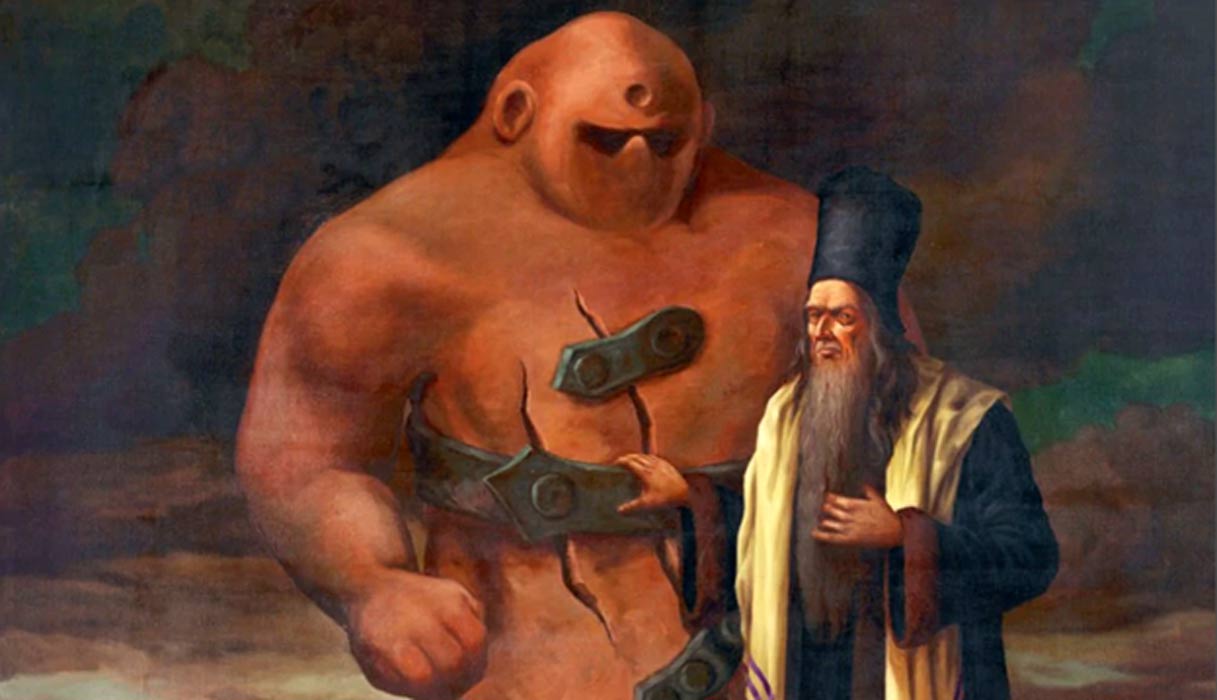
The Animated Guardian of Jewish Folklore: The Golem

politicalphishing.com – The Golem is a figure of Jewish folklore that has fascinated people for centuries. Originating from ancient texts and evolving through various iterations, the Golem is a creature of clay brought to life by mystical incantations to serve its creator. This article delves into the origins, characteristics, and cultural significance of the Golem, exploring its role as an animated guardian in Jewish folklore.

Origins of the Golem

The earliest references to the Golem can be found in the Hebrew Bible, where the word “golem” appears in Psalms, referring to an unformed mass or embryo. However, the concept of a clay man animated by magic is most famously associated with the medieval Jewish mystical text, the Sefer Yetzirah, or “Book of Creation.” This text discusses the power of the Hebrew letters and their use in creating life, laying the groundwork for the Golem’s creation myth.

The Golem in Jewish Mysticism

In Jewish mysticism, particularly in the Kabbalah, the creation of a Golem is attributed to powerful rabbis who possess the necessary spiritual and mystical knowledge. The most famous of these creators is Rabbi Judah Loew ben Bezalel, also known as the Maharal of Prague, who is said to have created a Golem in the 16th century to protect the Jewish community from persecution.

The Creation Process

The creation of a Golem involves several steps, including shaping a figure from clay, inscribing it with mystical symbols, and bringing it to life through the recitation of sacred texts or the use of a Shem, a magical name or word. The most common method involves placing a piece of parchment with the word “emet” (truth) into the Golem’s mouth. To deactivate the Golem, the first letter is removed, changing the word to “met,” meaning “dead.”

Characteristics of the Golem

The Golem is often depicted as a giant, powerful, and obedient servant. It is a creature of pure physical strength, devoid of its own will or desires, acting solely on the commands of its creator. Despite its formidable strength, the Golem is also seen as a symbol of the dangers of unchecked power and the potential for creation to turn against its creator.

The Golem in Popular Culture

The legend of the Golem has transcended its origins, influencing literature, film, and other forms of media. It has been reimagined in various contexts, from horror to science fiction, reflecting the enduring fascination with the idea of creating life and the ethical implications thereof.

Cultural Significance

The Golem serves as a powerful symbol in Jewish culture, representing the struggle against oppression, the potential for divine intervention, and the ethical boundaries of human creativity. It also embodies the tension between the desire for protection and the fear of losing control over one’s creations.

Conclusion

The Golem stands as a testament to the richness and complexity of Jewish folklore. As an animated guardian, it embodies the hopes and fears of a community seeking to protect itself against adversity. Through its various incarnations, the Golem continues to inspire and provoke thought about the nature of life, the limits of power, and the responsibilities of creation.
The Ultimate Guide to Creatures of Legend: Monsters Unleashed

politicalphishing.com – From the depths of ancient folklore to the pages of modern horror, monsters have captivated the human imagination for centuries. These creatures of legend, often born from a mix of fear, awe, and the unknown, have been a staple in the stories we tell and the nightmares we endure. “Monsters Unleashed: The Ultimate Guide to Creatures of Legend” is your one-stop journey into the darkest corners of mythology, literature, and popular culture, where the most terrifying and fascinating beings lurk.

The Origins of Monsters

Monsters have been a part of human culture since the dawn of storytelling. They are often symbolic, representing the chaos of nature, the fear of the other, or the consequences of moral failings. In many ancient cultures, monsters were believed to be real, serving as warnings to those who dared venture into the unknown.

Ancient Mythology

The ancient world was rife with monstrous entities. In Greek mythology, creatures like the multi-headed Hydra, the fire-breathing Chimera, and the dreaded Medusa with her stone-inducing gaze, were said to guard sacred places or punish the hubris of mortals. Norse mythology introduced the world to the Midgard Serpent, Jörmungandr, whose mere sight foretold the end of the world, and the Fenris Wolf, capable of swallowing the sun.

Literature and Folklore

As societies evolved, so too did the monsters that populated their stories. The Middle Ages brought forth a plethora of creatures, from the vampires of Eastern European folklore to the werewolves that roamed the forests of France and Germany. These beings were often seen as the result of witchcraft or a pact with the devil, reflecting the era’s deep-seated fears and religious fervor.

Modern Monsters

The 19th and 20th centuries saw a resurgence of interest in the monstrous, with authors like Mary Shelley, Bram Stoker, and H.P. Lovecraft reimagining and creating new creatures that tapped into the anxieties of the modern age.

Gothic Literature

Shelley’s “Frankenstein” introduced the world to a new kind of monster, not born of myth but of science. This creature, a product of human hubris, raised questions about the ethics of creation and the nature of humanity itself. Stoker’s “Dracula” took the ancient vampire legend and transformed it into a tale of seduction and disease, mirroring the fears of a rapidly changing society.

Horror and Science Fiction

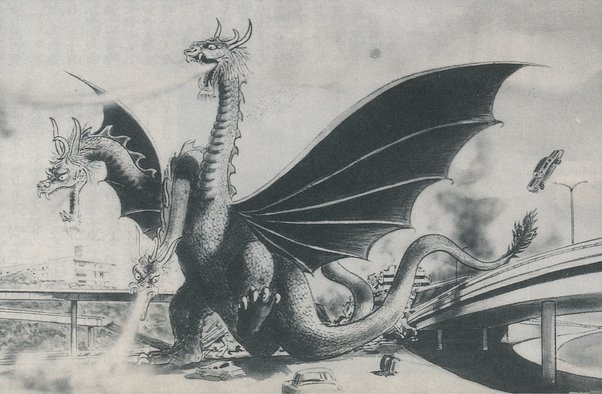
The 20th century’s fascination with science and the unknown led to the creation of monsters like Godzilla, a product of nuclear anxiety, and the Alien from the “Alien” franchise, a representation of the fear of the unknown and the other. These creatures, while not born from ancient myths, have become modern legends in their own right.

The Psychology of Monsters

Monsters are more than just creatures that go bump in the night; they are reflections of our deepest fears and desires. Psychologists have long studied the role of monsters in human culture, arguing that they serve as a way to confront and understand the unknown.

Fear and Fascination

The appeal of monsters lies in the duality of fear and fascination. We are drawn to these creatures, even as they terrify us, because they represent the parts of ourselves and our world that we do not understand or cannot control.

Cultural Significance

The monsters we create and the stories we tell about them say a lot about our culture and our times. From the werewolves of the Middle Ages, representing the fear of losing control, to the zombies of the 21st century, symbolizing the loss of individuality in a mass-consumer society, monsters have always been a mirror held up to humanity.

Conclusion

“Monsters Unleashed: The Ultimate Guide to Creatures of Legend” is not just a journey through the darkest corners of our imagination; it is an exploration of what it means to be human. These creatures, born from our fears and our dreams, have been with us since the beginning, and they will continue to haunt our stories and our nightmares for centuries to come. Whether they are the product of ancient myths or modern anxieties, monsters remind us of the thin line between the real and the imagined, the known and the unknown. So, as you delve into this ultimate guide, remember that the monsters you find within these pages are not just creatures of legend; they are a part of us, forever lurking in the shadows of our collective unconscious.

Illustrating Fear and Fascination: The Art of the Monster

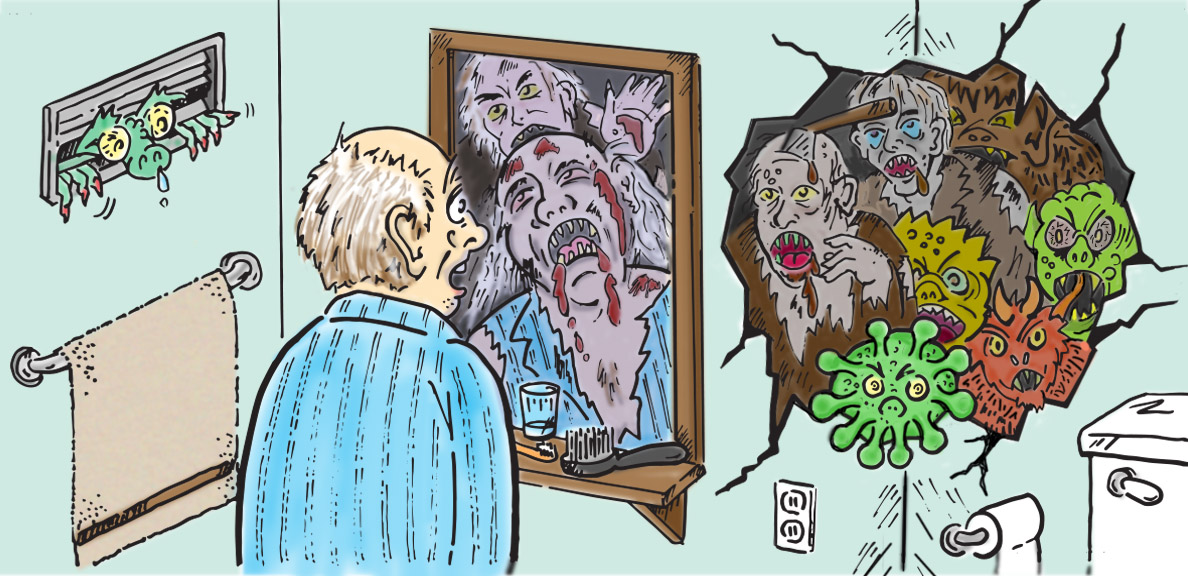
Monsters have long been a staple of human storytelling, embodying our deepest fears and darkest fascinations. From the mythical creatures of ancient folklore to the grotesque villains of modern horror, monsters serve as powerful symbols, reflecting the anxieties and obsessions of their respective eras. The art of illustrating these monstrous entities is a complex and nuanced craft, one that requires a delicate balance between evoking terror and captivating the imagination. This article delves into the world of monster illustration, exploring the techniques, inspirations, and psychological underpinnings that bring these creatures to life on the page.

The Psychology of Monsters

At the heart of monster illustration is an understanding of what makes a monster truly terrifying. It is not merely the grotesque or the unfamiliar that scares us, but rather the embodiment of our own fears and insecurities. A skilled illustrator taps into these primal emotions, using the monster as a canvas to paint the darker aspects of the human psyche. Whether it’s the fear of death, the unknown, or the loss of control, monsters become metaphors for these existential dreads, making them both repulsive and irresistibly compelling.

Techniques of Terror

Illustrating monsters involves a variety of techniques designed to heighten the sense of fear and fascination. One such technique is the use of shadow and light. By strategically placing shadows, an illustrator can create an atmosphere of mystery and dread, while light can accentuate the most horrifying features of the monster. Another technique is the distortion of the familiar. By taking something recognizable and subtly altering it, artists can create a sense of unease and discomfort, playing on the viewer’s instinctive aversion to the uncanny.

Texture is also a critical element in monster illustration. The way something feels can be just as unsettling as how it looks. Illustrators often use detailed textures to give their monsters a tangible presence, making them seem more real and, consequently, more frightening. The use of color is equally important. Muted or desaturated colors can create a sense of decay and desolation, while vibrant, unnatural hues can make a monster seem otherworldly and alien.

Inspirations and Influences

Monster illustrators draw inspiration from a wide range of sources. Literature, mythology, and folklore are rich veins of inspiration, offering a plethora of monstrous archetypes to reinterpret and reimagine. The natural world, with its myriad forms of life, provides another source of inspiration, with illustrators often combining elements of different animals to create hybrid creatures that are both fascinating and terrifying.

The societal and cultural context also plays a significant role in shaping the monsters that illustrators create. In times of social upheaval or technological advancement, for example, monsters may reflect anxieties about change, loss of identity, or the fear of the new. By understanding the zeitgeist, illustrators can create monsters that resonate with contemporary audiences, tapping into the collective unconscious to evoke a visceral response.

The Appeal of the Monstrous

Despite their fearsome appearance, monsters hold a peculiar allure. They offer a safe way to confront our fears, allowing us to experience terror from a distance. Through the act of illustration, artists can give form to the formless, making the abstract tangible and the intangible visible. This process of visualization not only serves as a cathartic release but also invites viewers to explore their own fears and fascinations, fostering a deeper understanding of the human condition.

Conclusion

The art of the monster is a testament to the enduring power of fear and fascination in human culture. Monster illustrators are not just creators of horror; they are also explorers of the psyche, using their craft to delve into the depths of what it means to be human. By illustrating monsters, they challenge us to confront our darkest fears, inviting us to look beyond the grotesque to find the beauty and complexity that lies within. In this way, the art of the monster becomes a mirror, reflecting not just the monstrous, but the very essence of humanity itself.