Okra: A Versatile Pod with Global Appeal – Global Spread

politicalphishing.com – Okra, also known as gumbo or lady’s fingers, is a flowering plant in the mallow family (Malvaceae) valued for its edible green seed pods. This versatile vegetable, with its distinctive ridged exterior and slightly fuzzy texture, is a staple ingredient in various cuisines around the world, particularly in Africa, the Middle East, the Caribbean, and the Southern United States. From thickening stews and soups to being fried, pickled, or enjoyed fresh, okra offers a diverse range of culinary applications and nutritional benefits.   

Origins and Global Spread

Okra is believed to have originated in the region of present-day Ethiopia, with evidence of its cultivation dating back to ancient Egypt. From its African origins, okra spread to other parts of the world through trade routes and the transatlantic slave trade. It became a staple crop in the Southern United States, where it is a key ingredient in dishes like gumbo and jambalaya. Today, okra is cultivated in tropical and subtropical regions worldwide, thriving in warm climates.   

Varieties of Okra: From Green to Red

While the most common variety of okra is green, there are also red varieties, which typically turn green when cooked. The size and shape of the pods can also vary depending on the specific cultivar. Some common varieties include:

  • Clemson Spineless: A popular green variety known for its tender pods and spineless stems.   
  • Emerald: Another common green variety with smooth, slender pods.   
  • Burgundy: A red variety that adds a vibrant color to dishes.   
  • Star of David: A ribbed variety with a unique star-shaped cross-section.   

Preparing Okra: Minimizing Sliminess

One of the characteristics of okra is its mucilage content, which can make it slimy when cooked. However, there are several techniques to minimize this sliminess:   

  • Cooking at High Heat: Cooking okra quickly at high heat, such as frying or roasting, can help to reduce sliminess.   
  • Acidic Ingredients: Adding acidic ingredients like tomatoes, lemon juice, or vinegar can also help to break down the mucilage.   
  • Dry Cooking Methods: Dry cooking methods like grilling or baking can also minimize sliminess.
  • Soaking: Soaking okra in vinegar water for about half an hour before cooking can also help reduce the sliminess.   
  • Cutting: Cutting okra into larger pieces can also help reduce the amount of mucilage released.   

Culinary Uses of Okra: A Global Repertoire

Okra’s versatility is evident in its diverse culinary applications across different cultures.

  • Gumbo (Southern US): A classic Creole stew thickened with okra, often containing seafood, poultry, or sausage.   
  • Okra Stews and Soups (Various Cultures): Okra is used to thicken and flavor various stews and soups around the world, particularly in African, Caribbean, and Middle Eastern cuisines.   
  • Fried Okra (Southern US and Other Regions): Okra is often coated in cornmeal or flour and fried until crispy.   
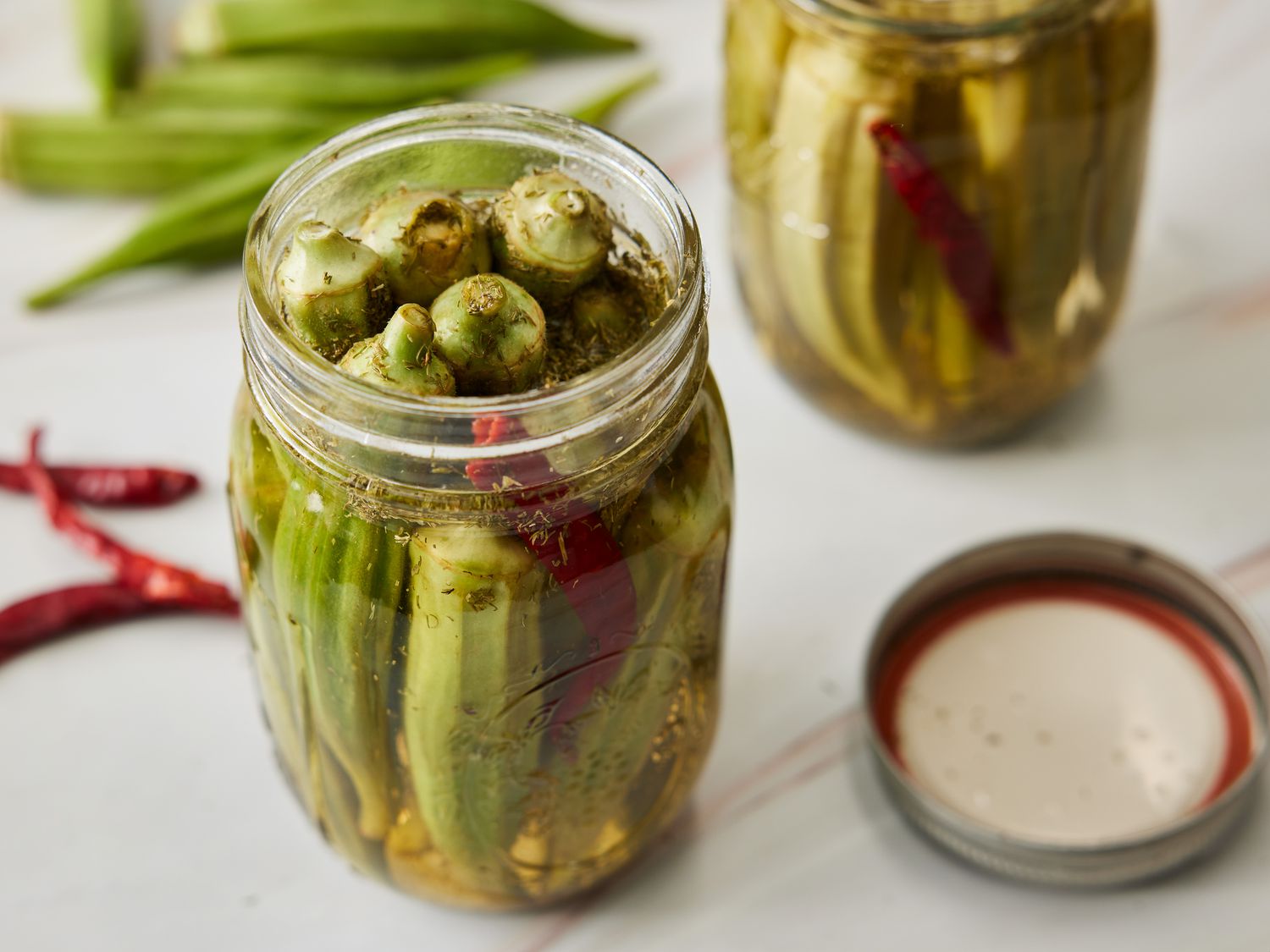
  • Pickled Okra (Southern US and Other Regions): Okra can be pickled for a tangy and crunchy snack or condiment.   
  • Bhindi Masala (India): A popular Indian dish made with okra, onions, tomatoes, and spices.   
  • Okra in Caribbean Cuisine: Okra is used in various Caribbean dishes, often combined with other vegetables, seafood, or meat.   

Nutritional Value and Health Benefits

Okra is a good source of various nutrients, including:

  • Fiber: Okra is high in fiber, which promotes digestive health, regulates blood sugar levels, and helps lower cholesterol.   
  • Vitamin C: Okra is a good source of vitamin C, an antioxidant that supports immune function.   
  • Vitamin K: Okra is a good source of vitamin K, which is important for blood clotting and bone health.   
  • Folate: Okra contains folate, a B vitamin that is important for cell growth and development.   
  • Potassium: Okra contains potassium, an essential mineral that plays a role in blood pressure regulation.   

Other Uses of Okra

Besides its culinary uses, okra has also been used in traditional medicine and for other purposes:   

  • Traditional Medicine: Okra has been used in traditional medicine to treat various ailments, such as digestive problems, inflammation, and diabetes.   
  • Industrial Uses: Okra fibers have been used in the production of paper and textiles.   

Choosing and Storing Okra

When choosing okra, look for firm, bright green pods that are free from blemishes. Avoid pods that are soft, mushy, or discolored. Okra can be stored in the refrigerator for several days in a plastic bag.

Okra’s Enduring Appeal

Okra’s versatility, nutritional value, and adaptability to various cuisines have contributed to its enduring popularity around the world. From its origins in Africa to its global presence, okra continues to be a valuable and flavorful vegetable enjoyed by diverse cultures.

The Tiny Treasure: A Comprehensive Look at Clementines

politicalphishing.com – Clementines, with their small, seedless stature and sweet-tart flavor, are a beloved citrus fruit enjoyed worldwide. These easy-to-peel delights are not only delicious but also packed with essential vitamins and minerals. From their culinary uses to their health benefits, clementines have earned their place as a popular seasonal treat.

A Brief History

Clementines are believed to have originated in Algeria in the late 19th century as a hybrid of mandarin oranges and bitter oranges. They were named after Father Clément Rodier, a missionary who introduced them to Europe. Clementines quickly gained popularity due to their ease of peeling and sweet flavor.

Nutritional Benefits

Clementines are a nutritional powerhouse, offering a range of health benefits:

  • Vitamin C: Clementines are an excellent source of vitamin C, which is essential for immune function and skin health.
  • Antioxidants: The antioxidants in clementines help protect cells from damage caused by free radicals.
  • Fiber: Clementines are a good source of fiber, which aids in digestion and promotes satiety.
  • Potassium: Potassium is essential for maintaining healthy blood pressure.

Culinary Uses

Clementines are a versatile ingredient that can be enjoyed in a variety of ways:

  • Fresh: Clementines can be eaten fresh, peeled, or segmented.
  • Juiced: Clementine juice is a refreshing and healthy beverage.
  • Salads: Clementines can add a burst of flavor and color to salads.
  • Desserts: Clementines can be used to make sorbets, jellies, and other desserts.
  • Baking: Clementine zest and juice can be used to flavor cakes, cookies, and other baked goods.

Health Benefits

In addition to their nutritional value, clementines have several health benefits:

  • Digestive Health: Clementines can help stimulate digestion and relieve constipation.
  • Immune Boost: The vitamin C in clementines can help boost the immune system and protect against infections.
  • Skin Health: The antioxidants in clementines can help protect the skin from damage caused by free radicals.

Selecting and Storing Clementines

When selecting clementines, choose fruits that are firm, heavy for their size, and have a bright orange color. Avoid clementines with blemishes or soft spots. Store clementines in a cool, dry place, away from direct sunlight.

Conclusion

Clementines, with their sweet-tart flavor, vibrant color, and numerous health benefits, are a delightful seasonal treat. Whether you enjoy them fresh, juiced, or in various culinary preparations, clementines are sure to brighten your day.

Yukgaejang: The Hearty Korean Spicy Beef Soup

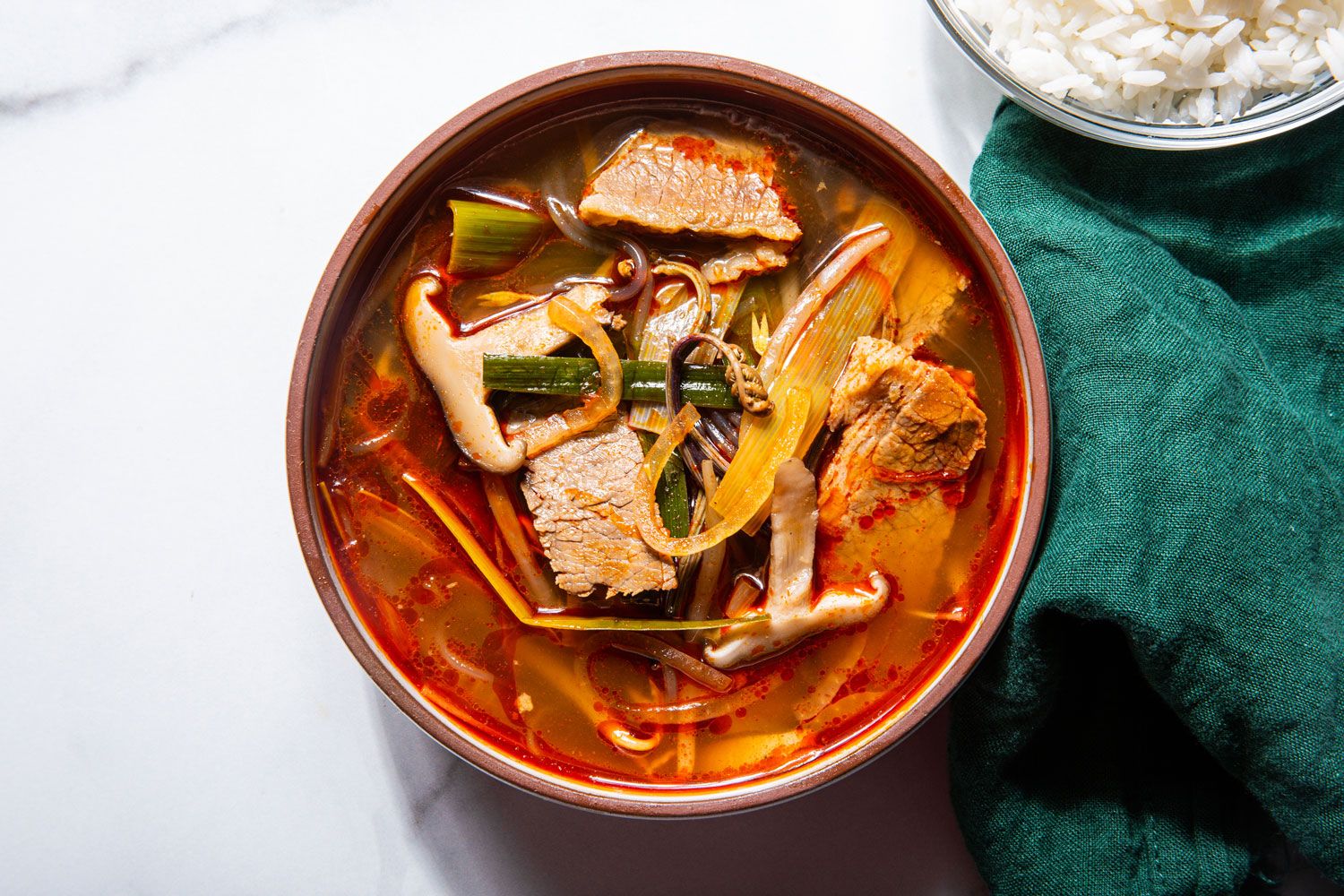
politicalphishing.com – Yukgaejang is a beloved Korean dish known for its robust flavors and comforting warmth. This spicy beef soup is packed with a variety of vegetables and aromatic spices, making it a perfect meal for those seeking a hearty and satisfying dish. Its rich broth and tender beef create a harmonious blend that is both nourishing and invigorating.

Historical Background and Cultural Significance

Yukgaejang has long been a staple in Korean cuisine, with roots that trace back to the Joseon Dynasty. Traditionally, it was considered a royal dish due to its rich ingredients and complex preparation. Over time, it became a popular meal for common people as well, often served during special occasions and family gatherings. Its popularity endures today, celebrated for its ability to bring warmth and comfort, especially during the colder months.

Key Ingredients and Flavor Profile

The main ingredients in Yukgaejang include beef, typically brisket, and a variety of vegetables such as green onions, bean sprouts, and fernbrake (gosari). The soup is seasoned with red pepper flakes (gochugaru), garlic, soy sauce, and sesame oil, giving it a spicy and savory taste.

  • Beef: Provides a rich, meaty flavor and a source of protein.
  • Gochugaru: Adds a spicy kick and vibrant color.
  • Vegetables: Offer texture and balance, contributing to the soup’s nutritional value.
  • Sesame Oil and Soy Sauce: Enhance the depth of flavor with nutty and umami notes.

Preparation Method

  1. Preparing the Beef: Start by boiling the beef brisket in water until it becomes tender. Once cooked, shred the meat into bite-sized pieces and set aside.
  2. Making the Broth: Use the same pot with the beef cooking water to create a flavorful broth. Add the shredded beef back into the pot.
  3. Adding Vegetables and Seasonings: Incorporate green onions, bean sprouts, fernbrake, and other vegetables into the broth. Season with gochugaru, minced garlic, soy sauce, and sesame oil. Allow the soup to simmer, letting the flavors meld together.
  4. Final Touches: Taste and adjust the seasoning if necessary. The soup should be spicy, savory, and aromatic.

Serving Suggestions

Yukgaejang is traditionally served hot, accompanied by a bowl of steamed rice. The rice helps balance the spiciness of the soup and makes for a complete, satisfying meal. It pairs well with various side dishes, such as kimchi and pickled vegetables, which complement its bold flavors.

Conclusion

Yukgaejang is more than just a soup; it is a celebration of Korean culinary tradition and the art of balancing flavors. Its hearty ingredients and spicy broth make it a comforting and invigorating dish, perfect for anyone looking to experience authentic Korean cuisine. Whether enjoyed at home or in a restaurant, Yukgaejang offers a taste of Korea’s rich cultural heritage and a delightful dining experience.

Ayam Penyet: A Spicy Delight from Indonesia

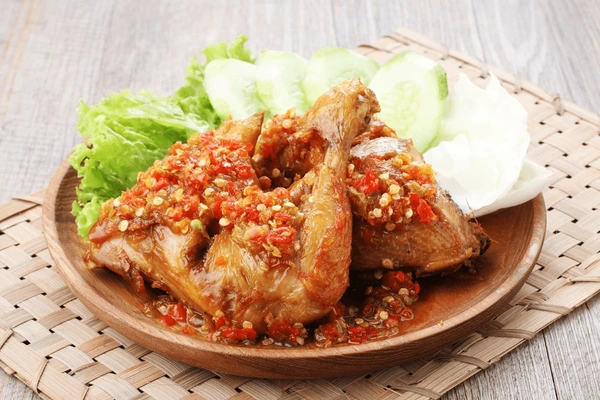
politicalphishing.com – Ayam Penyet, or smashed fried chicken, is a beloved Indonesian dish known for its crispy texture and bold flavors. Popular in Southeast Asia, this dish has gained a loyal following for its unique preparation method and tantalizing taste. In this article, we will delve into the history, preparation, variations, and cultural significance of Ayam Penyet.

The Origins of Ayam Penyet

Ayam Penyet hails from East Java, Indonesia, where it was created as a flavorful twist on traditional fried chicken. The term “penyet” means “smashed” in Javanese, referring to the technique of lightly pressing the fried chicken to enhance its texture and allow the spices to penetrate more deeply. This dish quickly became a staple in Indonesian cuisine and has since spread to neighboring countries, including Malaysia and Singapore.

Preparing Ayam Penyet: Ingredients and Techniques

The preparation of Ayam Penyet begins with marinating chicken pieces in a blend of spices such as turmeric, garlic, coriander, and galangal. This marinade infuses the chicken with a rich and aromatic flavor. After marinating, the chicken is deep-fried to a golden brown, achieving a crispy exterior while remaining tender inside.

Once fried, the chicken is gently smashed using a pestle or mallet to flatten it slightly, allowing the flavors to meld together. Ayam Penyet is traditionally served with sambal, a spicy chili paste made from a mix of chilies, tomatoes, shrimp paste, and lime juice, adding a fiery kick that complements the savory chicken.

Variations of Ayam Penyet

While the classic Ayam Penyet features chicken, there are several variations that incorporate different proteins. Some popular alternatives include Tahu Penyet (smashed tofu), Tempe Penyet (smashed tempeh), and Ikan Penyet (smashed fish). Each variation offers a unique taste experience while maintaining the distinctive “penyet” preparation method.

Cultural Significance and Enjoyment

Ayam Penyet is more than just a meal; it is a cultural experience that reflects Indonesia’s vibrant culinary heritage. It is commonly enjoyed at warungs (local eateries) and food stalls, often accompanied by steamed rice and fresh vegetables. The dish’s spicy and savory profile makes it a favorite among those who enjoy bold flavors and heat.

Ayam Penyet Around the World

The popularity of Ayam Penyet has transcended Indonesian borders, with eateries in Malaysia, Singapore, and beyond serving this delightful dish. Its global appeal has led to creative adaptations, with chefs experimenting with different spices and cooking techniques to cater to local palates while preserving its authentic essence.

Conclusion

Ayam Penyet is a testament to the rich flavors and inventive cooking techniques of Indonesian cuisine. Its combination of crispy fried chicken, aromatic spices, and fiery sambal creates a symphony of tastes that continues to captivate food lovers worldwide. Whether enjoyed in its traditional form or as a modern adaptation, Ayam Penyet remains a spicy delight that represents the heart and soul of Indonesia’s culinary landscape.

A Delightful Journey Through Old Cities: Indian Street Food

politicalphishing.com – India, with its rich tapestry of cultures and traditions, is a paradise for food lovers. The country’s street food scene is particularly vibrant, offering a myriad of flavors, textures, and aromas that reflect the diversity of its regions. From the bustling streets of Mumbai to the historic lanes of Delhi, Indian street food is a delightful journey through the old cities, each with its unique culinary heritage.

The History of Indian Street Food

Indian street food has its roots in the ancient tradition of hawkers selling snacks and meals to travelers and workers. Over centuries, these street-side eateries evolved, adapting to local tastes and ingredients. Today, they are an integral part of India’s food culture, providing a glimpse into the country’s history, traditions, and regional diversity.

Mumbai: The Melting Pot of Flavors

Mumbai, the financial capital of India, is a melting pot of cultures, and its street food scene is a testament to this diversity. The iconic vada pav, a spicy potato fritter served in a bread bun, is the quintessential Mumbai street snack. Other favorites include pav bhaji, a spiced vegetable mash served with bread, and bhel puri, a tangy mixture of puffed rice, vegetables, and chutneys.

The Art of Mumbai’s Street Food

The art of Mumbai’s street food lies in its ability to cater to the fast-paced life of the city. Vendors, known as hawkers, prepare and serve food with speed and efficiency, ensuring that the flavors and quality are not compromised. The use of fresh, locally sourced ingredients and the skillful blending of spices make Mumbai’s street food a unique culinary experience.

Delhi: A Journey Through History

Delhi, the capital city, has a street food scene that is as diverse as its history. From the narrow lanes of Old Delhi to the upscale neighborhoods of South Delhi, the city offers a plethora of street food options. The famous chaat, a savory snack made with crispy fried dough, potatoes, chutneys, and yogurt, is a must-try. Other popular snacks include parathas, stuffed flatbreads, and kebabs, grilled meat skewers that are a legacy of the city’s Mughal past.

The Art of Delhi’s Street Food

The art of Delhi’s street food is in its rich history and the way it has adapted to the changing times. The city’s street food vendors are custodians of traditional recipes, passed down through generations, while also innovating to meet the evolving tastes of their customers. The result is a culinary landscape that is both authentic and dynamic.

Kolkata: The Sweet and Savory Symphony

Kolkata, the cultural capital of India, is renowned for its love of food. The city’s street food scene is a harmonious blend of sweet and savory, with options ranging from the famous mishti doi, a sweet yogurt, to the spicy phuchka, a type of pani puri. Kolkata’s street food is also known for its fish dishes, reflecting the city’s proximity to the Bay of Bengal.

The Art of Kolkata’s Street Food

The art of Kolkata’s street food lies in its balance of flavors and the use of local ingredients. The city’s vendors are experts in creating dishes that are both comforting and exciting, catering to the discerning palates of Kolkatans. The street food of Kolkata is a reflection of the city’s cultural heritage and its people’s zest for life.

Beyond the Cities: Regional Delights

Beyond the major cities, India’s street food scene is enriched by regional specialties. From the dhokla and fafda of Gujarat to the idli and dosa of South India, each region offers its unique street food delights. These dishes are often tied to local festivals and traditions, making them an integral part of the community’s cultural identity.

The Future of Indian Street Food

As India continues to embrace its street food culture, the scene is evolving. Food festivals, pop-up stalls, and food trucks are becoming more common, providing a platform for street food vendors to showcase their culinary skills. Social media and food blogs are also playing a significant role in popularizing Indian street food, both within the country and internationally.

Conclusion

Indian street food is more than just a culinary experience; it is a journey through the country’s history, culture, and regional diversity. From the bustling streets of Mumbai to the historic lanes of Delhi, and the cultural heart of Kolkata, Indian street food offers a delightful array of flavors that reflect the country’s rich culinary heritage. Whether you’re a seasoned traveler or a curious foodie, the street food of India is an adventure not to be missed.

Awakening to the Wonders of Ocean Breeze Morning Meal

politicalphishing.com – As the first rays of sunlight dance across the water, Ocean Breeze Morning Meal beckons with the promise of a tranquil and delightful dining experience. Nestled by the shore, this charming eatery offers more than just a meal; it provides a serene setting where guests can savor the beauty of a new day while enjoying a nutritious and flavorful breakfast.

A Menu Inspired by the Sea

The menu at Ocean Breeze Morning Meal is a testament to the chef’s creativity and respect for the ocean’s bounty. Each dish is thoughtfully crafted to reflect the flavors of the sea, from fresh seafood omelets and hearty fish tacos to tropical fruit bowls and organic granola. The emphasis on quality, sustainability, and local ingredients ensures that every bite is not only delicious but also environmentally conscious.

A Picturesque Setting by the Water

Dining at Ocean Breeze Morning Meal is an experience that engages all the senses. The restaurant’s location offers a panoramic view of the ocean, casting a serene and calming atmosphere. Whether seated indoors, surrounded by nautical decor, or outdoors on the patio, where the gentle ocean breeze adds to the ambiance, guests are invited to relax and soak in the beauty of the moment.

Warm Hospitality and Attentive Service

The staff at Ocean Breeze Morning Meal embodies the essence of coastal hospitality. Their warm smiles and attentive service create a welcoming environment that makes guests feel at home. From the moment you arrive, you are greeted with genuine care and attention, ensuring a pleasant and memorable experience.

A Perfect Beginning to Your Day by the Sea

For those seeking a peaceful start to their day, Ocean Breeze Morning Meal is the ideal destination. It’s a place where you can pause, reflect, and rejuvenate before embarking on your daily adventures. Whether you’re a local resident or a visitor, this serene spot offers a tranquil retreat that sets the tone for a day filled with joy and exploration.

A Must-Visit for Early Risers and Seafood Lovers

Ocean Breeze Morning Meal is more than just a place to grab a quick bite; it’s a sanctuary for early risers and seafood lovers. It offers a unique opportunity to connect with the natural beauty of the coast while indulging in delicious and nutritious meals. As the sun rises, casting its warm light on the water, you’ll understand why this hidden gem is a must-visit for anyone looking to embrace the dawn by the sea.

The Influence of Monarchs on Gastronomy: Royal Taste

politicalphishing.com – Throughout history, monarchs have not only ruled kingdoms and empires but have also significantly influenced the culinary world. Their tastes, preferences, and sometimes eccentricities have shaped the course of gastronomy, introducing new ingredients, techniques, and dishes that have endured for centuries. This article explores the profound impact of royal taste on the evolution of cuisine, from the spice-laden tables of medieval courts to the sophisticated dishes gracing modern royal banquets.

The Spice Trade and Royal Patronage

One of the most significant contributions of monarchs to gastronomy was their role in the spice trade. The desire for exotic flavors and the prestige associated with rare spices led monarchs to sponsor expeditions to distant lands. The spice trade, heavily influenced by royal patronage, brought ingredients such as pepper, cinnamon, nutmeg, and saffron to European courts, transforming the culinary landscape. These spices were not only used for flavor but also as a display of wealth and power. The extravagant use of spices in royal kitchens set trends that trickled down to the nobility and eventually to the broader population.

Innovation in Royal Kitchens

Royal kitchens were hotbeds of culinary innovation. Chefs, under the patronage of monarchs, experimented with new ingredients and techniques, creating dishes that were both opulent and groundbreaking. For instance, the French court under King Louis XIV saw the development of haute cuisine, a style of cooking that emphasized technique, presentation, and flavor. The royal chefs’ inventiveness led to the creation of dishes that are still celebrated today, such as the Béchamel sauce, named after Louis XIV’s finance minister.

The Introduction of New Ingredients

Monarchs have also played a crucial role in the introduction and popularization of new ingredients. The most notable example is the tomato, which was brought to Europe from the Americas. Initially viewed with suspicion, tomatoes found favor in royal courts, particularly in Italy, where they were embraced by the Bourbon kings of Naples. This royal endorsement helped tomatoes become a staple of Italian cuisine, leading to the creation of iconic dishes like pizza and pasta sauces.

Cultural Exchange and Fusion

Royal marriages and alliances facilitated cultural exchanges that had a profound impact on gastronomy. For example, the marriage of Catherine de’ Medici to the future King Henry II of France in the 16th century is credited with introducing French cuisine to Italian culinary techniques and ingredients. This fusion of culinary traditions elevated French cooking, leading to the development of the elaborate French cuisine that is renowned worldwide.

Modern Influence

Even in the modern era, monarchs continue to influence gastronomy. Royal weddings, state dinners, and other events are occasions for showcasing the best of national and international cuisine. Chefs working in royal households today are tasked with balancing tradition with innovation, creating menus that reflect the heritage and contemporary tastes of the monarchy. These events often highlight local produce and emerging culinary trends, influencing public perception and dining habits.

Conclusion

The influence of monarchs on gastronomy is a testament to the power of taste in shaping culture and society. From the spice-laden feasts of medieval courts to the sophisticated dishes served at modern royal banquets, the culinary preferences of monarchs have left an indelible mark on the world of food. As we continue to enjoy the dishes and ingredients that have been shaped by royal taste, we can appreciate the rich history and cultural exchange that have contributed to the diverse and vibrant culinary landscape we know today.

Quick and Easy Recipes for Busy Weeknights: 10-Minute Marvels

politicalphishing.com – In the hustle and bustle of modern life, finding time to prepare a nutritious and delicious meal can often feel like a luxury. However, with a little creativity and some smart kitchen strategies, you can whip up satisfying meals in just 10 minutes. These “10-Minute Marvels” are perfect for busy weeknights when time is of the essence, but you still want to enjoy a home-cooked meal. Here are some quick and easy recipes to add to your repertoire.

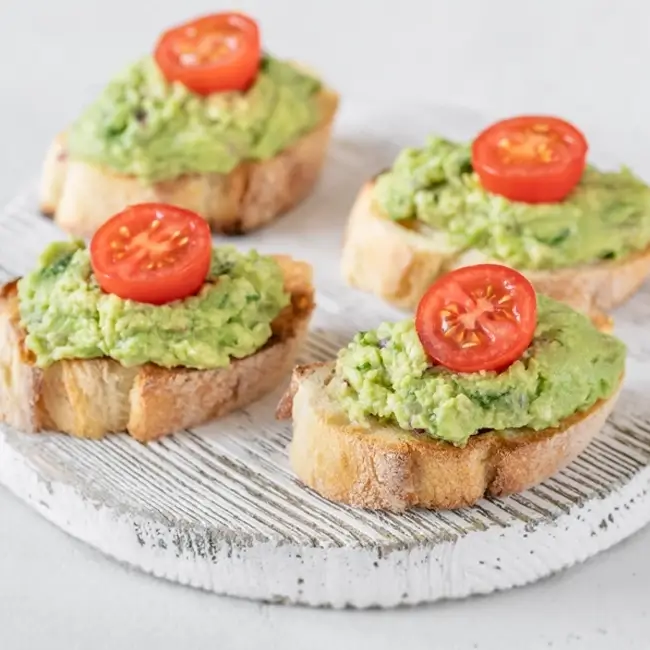
  1. Zesty Avocado Toast
    • Toast slices of whole-grain bread, then top with mashed avocado, a squeeze of lemon juice, salt, pepper, and chili flakes. Finish with a sprinkle of feta cheese for a protein boost.
  2. Speedy Spinach and Feta Scramble
    • Beat eggs and pour them into a hot pan. Add fresh spinach and crumbled feta cheese. Cook until the eggs are just set for a protein-packed meal that’s ready in a flash.
  3. One-Pan Chicken with Peaches and Greens
    • Sauté pre-cooked chicken strips with sliced peaches and a handful of arugula. Drizzle with balsamic vinegar and season with salt and pepper for a sweet and tangy dish.
  4. Quick Couscous with Tomatoes and Olives
    • Prepare instant couscous according to the package instructions. Mix in diced tomatoes, olives, cucumber, and feta cheese. Dress with olive oil and lemon juice for a Mediterranean-inspired dish.
  5. Asian-Style Beef and Broccoli
    • Stir-fry pre-sliced beef with broccoli florets. Add a pre-made Asian stir-fry sauce and cook until the beef is browned and the broccoli is tender-crisp. Serve over pre-cooked rice or noodles.
  6. Greek Yogurt and Berry Parfait
    • Layer Greek yogurt with a mix of fresh berries and a sprinkle of granola for a protein-rich and antioxidant-packed breakfast or dessert.
  7. Spicy Peanut Noodles
    • Toss pre-cooked noodles with a sauce made from peanut butter, soy sauce, lime juice, and a pinch of chili flakes. Add shredded carrots and cucumber for crunch.
  8. Mediterranean Hummus Bowl
    • Spread hummus on a plate and top with cherry tomatoes, cucumber slices, olives, and a dollop of tzatziki. Serve with pita bread or crackers for dipping.
  9. Shrimp and Avocado Salad
    • Combine pre-cooked shrimp with diced avocado, cherry tomatoes, and a simple dressing of olive oil and lemon juice. Season with salt, pepper, and a pinch of paprika.
  10. Turkey and Cheese Quesadillas
    • Layer a tortilla with sliced turkey, cheese, and a sprinkle of cilantro. Top with another tortilla and cook in a skillet until the cheese is melted and the tortillas are crispy. Serve with salsa or guacamole.

The key to these 10-minute marvels is preparation. Keep your pantry and fridge stocked with staples like canned beans, pre-cooked grains, fresh or frozen vegetables, and a variety of sauces and seasonings. By having these ingredients on hand, you can create a multitude of meals in no time at all.

Remember, the goal is not just speed but also flavor and nutrition. These recipes are designed to be both satisfying and good for you, proving that you don’t need to sacrifice health or taste for convenience. With a little planning and these quick recipes, you can enjoy a home-cooked meal even on your busiest days.

Healthy Snack Guide: A Bite Free for Every Cause

In a world where snacking has become a way of life, finding the right balance between satisfying our cravings and maintaining a healthy lifestyle can be a challenge. The Healthy Snacker’s Handbook is here to guide you through the maze of tempting treats, offering a plethora of guilt-free options that cater to every craving. Whether you’re a sweet tooth or a savory seeker, this handbook is your ultimate companion to snacking without the regret.

Understanding the Snack Attack

Before diving into the world of healthy snacks, it’s essential to understand why we snack in the first place. Often, it’s not just hunger that drives us to the pantry but a mix of emotions, habits, and environmental cues. Recognizing these triggers is the first step in making mindful snacking choices.

The Foundation of Healthy Snacking

The Healthy Snacker’s Handbook starts with the basics, emphasizing the importance of choosing snacks that are nutrient-dense, offering a good balance of protein, fiber, healthy fats, and vitamins. These components not only satisfy hunger but also provide sustained energy and keep you feeling full longer.

Sweet Temptations

For those moments when only something sweet will do, the handbook offers a variety of options that go beyond the usual suspects. Think dark chocolate-covered almonds, fresh fruit with a dollop of Greek yogurt, or homemade energy bites packed with oats, nuts, and a touch of honey. These treats satisfy the sweet tooth without the sugar crash.

Savory Satisfaction

Savory snackers are not left out either. The handbook provides a range of options that include roasted chickpeas for a crunchy, protein-packed snack, vegetable sticks with hummus for a dose of fiber and healthy fats, or even air-popped popcorn seasoned with herbs and a sprinkle of Parmesan cheese for a low-calorie, high-flavor snack.

Convenience Without Compromise

In our fast-paced lives, convenience often trumps health. The Healthy Snacker’s Handbook addresses this by offering a selection of grab-and-go options that don’t compromise on nutrition. From pre-portioned trail mixes to single-serve smoothies, these snacks are perfect for those on the move.

The Art of Preparation

A key aspect of healthy snacking is preparation. The handbook provides tips and tricks for meal prepping snacks in advance, ensuring that you always have a healthy option at the ready. This includes ideas for batch cooking and storage solutions that keep snacks fresh and appealing.

Mindful Snacking

Finally, The Healthy Snacker’s Handbook emphasizes the importance of mindful snacking. This involves being present and fully engaged with your snack, savoring each bite, and listening to your body’s hunger and fullness cues. Mindful snacking not only enhances the enjoyment of your food but also helps prevent overeating.

Conclusion

The Healthy Snacker’s Handbook is more than just a collection of recipes; it’s a comprehensive guide to transforming your snacking habits. By choosing nutrient-dense, satisfying, and delicious options, you can indulge your cravings without the guilt. Whether you’re looking to maintain a healthy weight, boost your energy levels, or simply enjoy your food more, this handbook is your go-to resource for guilt-free snacking. So, the next time a snack attack hits, reach for The Healthy Snacker’s Handbook and discover a world of possibilities that are both good for you and incredibly tasty.

A Delicacy at Any Price: The Exorbitant Cost of Bluefin Tuna

In the world of gastronomy, certain delicacies command a price that far exceeds the ordinary, often due to their rarity, the intricacy of their preparation, or the cultural significance they hold. Among these, the Bluefin tuna stands out as a prime example, with its tender, buttery flesh and rich flavor making it a coveted ingredient in high-end sushi and sashimi. However, the exorbitant cost of Bluefin tuna is not just a reflection of its culinary value; it is a testament to the complex interplay of supply and demand, conservation efforts, and the cultural significance of this majestic fish.

The Bluefin tuna, known scientifically as Thunnus thynnus, is a species that has roamed the oceans for millions of years. It is renowned for its speed, strength, and the quality of its meat, which is prized for its high fat content and flavor. The fish can grow to immense sizes, with some specimens weighing over 1,000 pounds. However, it is this very demand for their meat that has brought Bluefin tuna to the brink of extinction.

The exorbitant cost of Bluefin tuna can be traced back to the late 20th century when Japan’s economic boom led to an increased demand for high-quality sushi and sashimi. As the popularity of these dishes grew, so did the demand for Bluefin tuna, particularly the fatty belly cuts known as “otoro” and “toro,” which are considered the most desirable parts of the fish. This surge in demand led to overfishing, with fleets from around the world targeting Bluefin tuna, resulting in a dramatic decline in their populations.

In response to the dwindling numbers of Bluefin tuna, conservation efforts have been implemented, including quotas and fishing bans. These measures have helped stabilize populations to some extent, but they have also contributed to the fish’s high price. With fewer tuna available, the cost of catching and selling them has skyrocketed. Auctions at the Tsukiji Fish Market in Tokyo, now relocated to the Toyosu Market, have seen Bluefin tuna sold for record-breaking prices, with one fish famously fetching over $3 million in 2019.

The cultural significance of Bluefin tuna in Japanese cuisine also plays a significant role in its exorbitant cost. The ritual of the New Year’s auction at the fish market has become a spectacle, with buyers willing to pay premium prices for the honor of securing the first tuna of the year. This cultural value, combined with the rarity of the fish, creates a market where prices can reach astronomical levels.

Despite the high cost, the demand for Bluefin tuna shows no signs of abating. Chefs and connoisseurs are willing to pay the price for what is considered the pinnacle of sushi and sashimi ingredients. However, this willingness to pay any price for a delicacy raises ethical questions about sustainability and the long-term viability of Bluefin tuna populations.

In recent years, there has been a growing movement towards sustainable seafood, with chefs and consumers alike seeking out alternatives to Bluefin tuna. Farmed Bluefin tuna, while controversial due to concerns about the environmental impact of fish farming, offers a potential solution to the supply issue. Additionally, there is a push to educate consumers about the importance of choosing sustainable seafood options to ensure that future generations can enjoy these culinary delights.

In conclusion, the exorbitant cost of Bluefin tuna is a reflection of its rarity, the cultural significance it holds, and the conservation efforts aimed at preserving the species. While it remains a delicacy that many are willing to pay any price for, the sustainability of this practice is being increasingly questioned. As we move forward, finding a balance between culinary tradition and environmental stewardship will be crucial in ensuring that the Bluefin tuna does not become a delicacy lost to time.