politicalphishing.com – Okra, also known as gumbo or lady’s fingers, is a flowering plant in the mallow family (Malvaceae) valued for its edible green seed pods. This versatile vegetable, with its distinctive ridged exterior and slightly fuzzy texture, is a staple ingredient in various cuisines around the world, particularly in Africa, the Middle East, the Caribbean, and the Southern United States. From thickening stews and soups to being fried, pickled, or enjoyed fresh, okra offers a diverse range of culinary applications and nutritional benefits.
Origins and Global Spread
Okra is believed to have originated in the region of present-day Ethiopia, with evidence of its cultivation dating back to ancient Egypt. From its African origins, okra spread to other parts of the world through trade routes and the transatlantic slave trade. It became a staple crop in the Southern United States, where it is a key ingredient in dishes like gumbo and jambalaya. Today, okra is cultivated in tropical and subtropical regions worldwide, thriving in warm climates.
Varieties of Okra: From Green to Red
While the most common variety of okra is green, there are also red varieties, which typically turn green when cooked. The size and shape of the pods can also vary depending on the specific cultivar. Some common varieties include:
- Clemson Spineless: A popular green variety known for its tender pods and spineless stems.
- Emerald: Another common green variety with smooth, slender pods.
- Burgundy: A red variety that adds a vibrant color to dishes.
- Star of David: A ribbed variety with a unique star-shaped cross-section.
Preparing Okra: Minimizing Sliminess
One of the characteristics of okra is its mucilage content, which can make it slimy when cooked. However, there are several techniques to minimize this sliminess:
- Cooking at High Heat: Cooking okra quickly at high heat, such as frying or roasting, can help to reduce sliminess.
- Acidic Ingredients: Adding acidic ingredients like tomatoes, lemon juice, or vinegar can also help to break down the mucilage.
- Dry Cooking Methods: Dry cooking methods like grilling or baking can also minimize sliminess.
- Soaking: Soaking okra in vinegar water for about half an hour before cooking can also help reduce the sliminess.
- Cutting: Cutting okra into larger pieces can also help reduce the amount of mucilage released.
Culinary Uses of Okra: A Global Repertoire
Okra’s versatility is evident in its diverse culinary applications across different cultures.
- Gumbo (Southern US): A classic Creole stew thickened with okra, often containing seafood, poultry, or sausage.
- Okra Stews and Soups (Various Cultures): Okra is used to thicken and flavor various stews and soups around the world, particularly in African, Caribbean, and Middle Eastern cuisines.
- Fried Okra (Southern US and Other Regions): Okra is often coated in cornmeal or flour and fried until crispy.
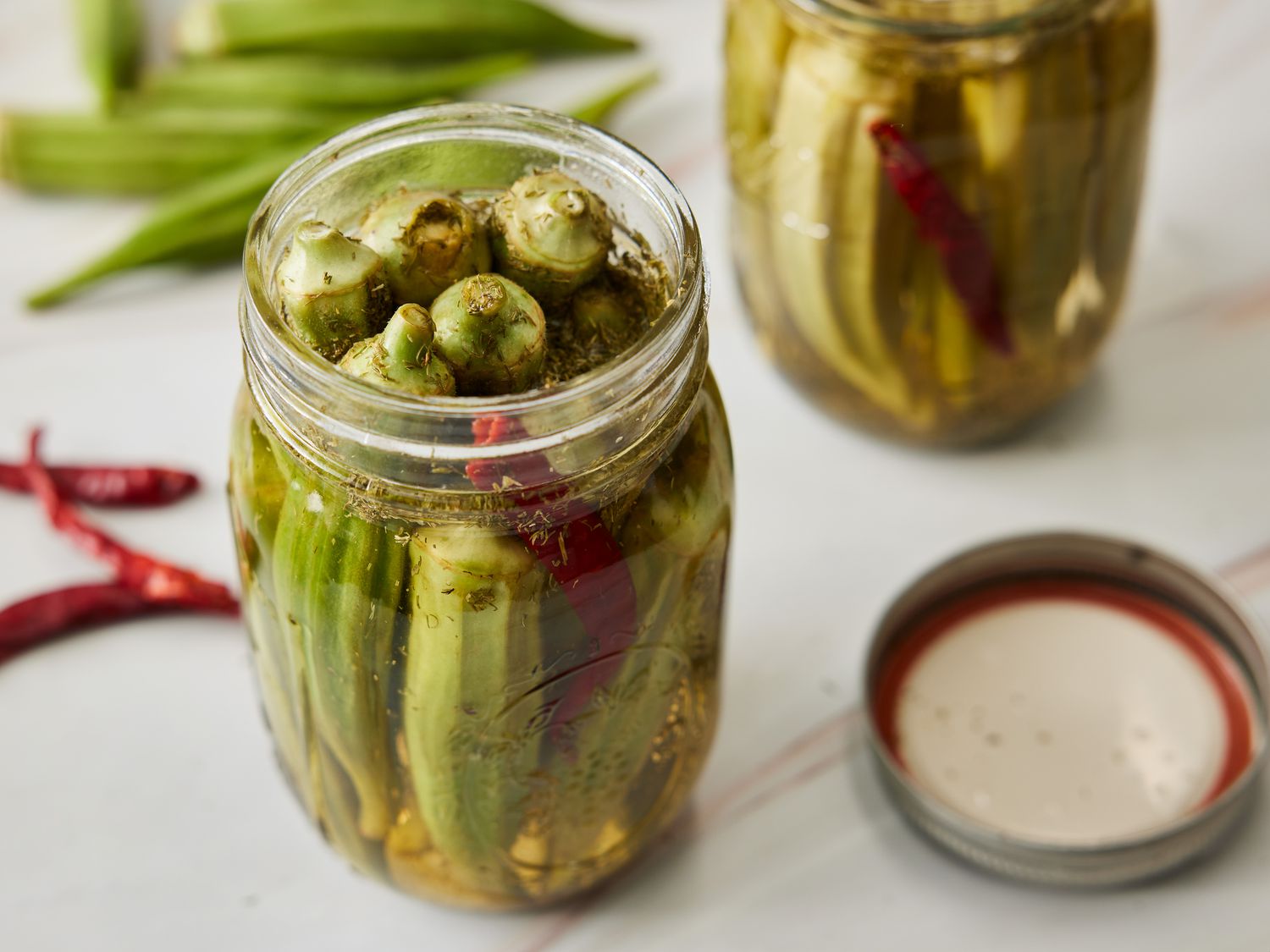
- Pickled Okra (Southern US and Other Regions): Okra can be pickled for a tangy and crunchy snack or condiment.
- Bhindi Masala (India): A popular Indian dish made with okra, onions, tomatoes, and spices.
- Okra in Caribbean Cuisine: Okra is used in various Caribbean dishes, often combined with other vegetables, seafood, or meat.
Nutritional Value and Health Benefits
Okra is a good source of various nutrients, including:
- Fiber: Okra is high in fiber, which promotes digestive health, regulates blood sugar levels, and helps lower cholesterol.
- Vitamin C: Okra is a good source of vitamin C, an antioxidant that supports immune function.
- Vitamin K: Okra is a good source of vitamin K, which is important for blood clotting and bone health.
- Folate: Okra contains folate, a B vitamin that is important for cell growth and development.
- Potassium: Okra contains potassium, an essential mineral that plays a role in blood pressure regulation.
Other Uses of Okra
Besides its culinary uses, okra has also been used in traditional medicine and for other purposes:
- Traditional Medicine: Okra has been used in traditional medicine to treat various ailments, such as digestive problems, inflammation, and diabetes.
- Industrial Uses: Okra fibers have been used in the production of paper and textiles.
Choosing and Storing Okra
When choosing okra, look for firm, bright green pods that are free from blemishes. Avoid pods that are soft, mushy, or discolored. Okra can be stored in the refrigerator for several days in a plastic bag.
Okra’s Enduring Appeal
Okra’s versatility, nutritional value, and adaptability to various cuisines have contributed to its enduring popularity around the world. From its origins in Africa to its global presence, okra continues to be a valuable and flavorful vegetable enjoyed by diverse cultures.