The Legacy of Victoria’s Secret: Angels on the Runway

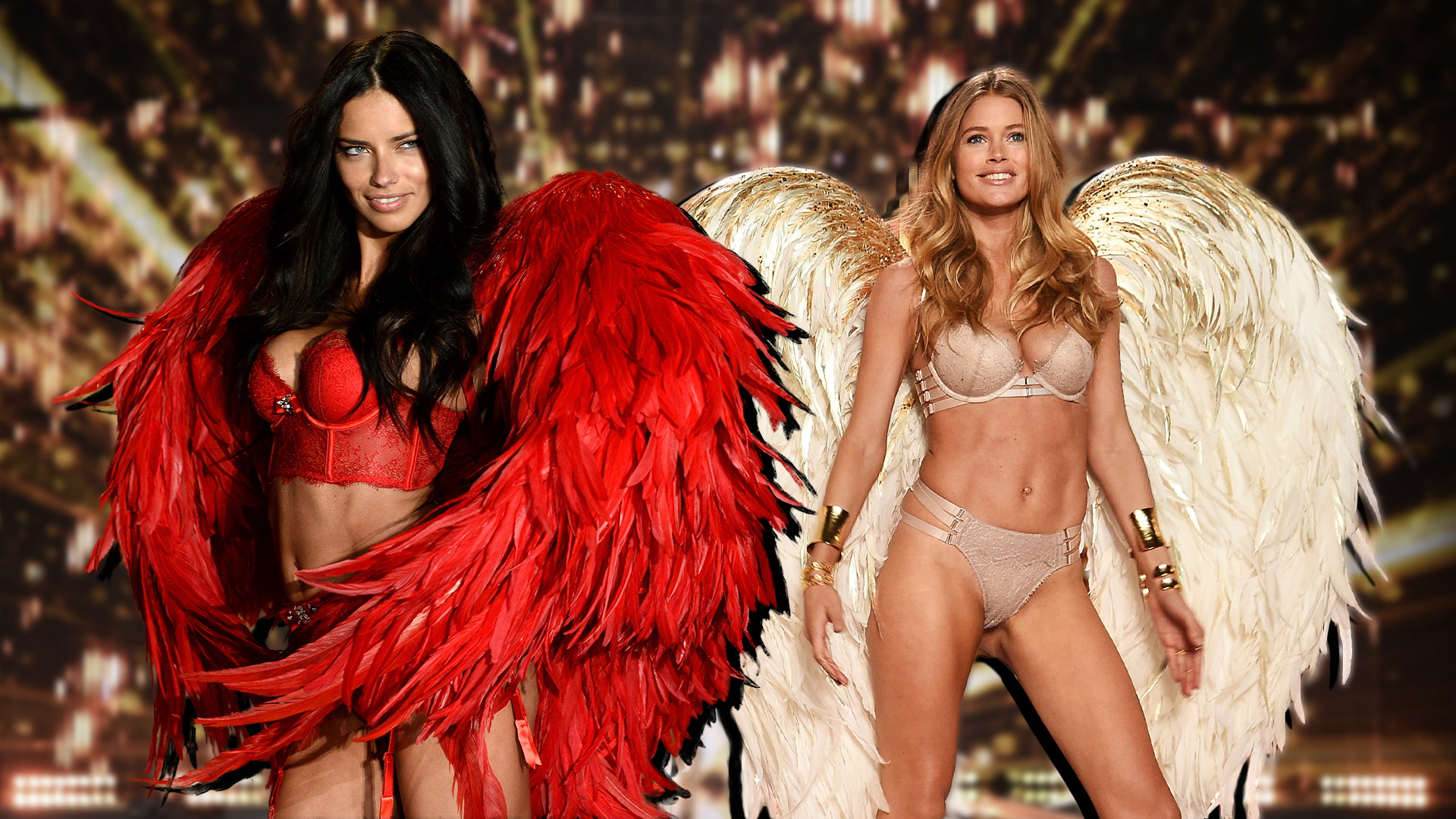
politicalphishing.com – Victoria’s Secret has long been a beacon of glamour and allure in the fashion industry, and at the heart of this legacy are the iconic Victoria’s Secret Angels. Known for their captivating presence on the runway, these models have left an indelible mark on fashion and popular culture. This article explores their impact and the lasting legacy of Victoria’s Secret.

The Rise of the Angels

The concept of the Victoria’s Secret Angels was introduced in the late 1990s as part of the brand’s marketing strategy. These supermodels quickly became the face of the company, embodying a blend of beauty, confidence, and sophistication. The Angels were not just models; they were ambassadors of the brand’s image and ethos.

The Spectacle of the Fashion Show

The annual Victoria’s Secret Fashion Show was a cornerstone of the brand’s identity. Known for its theatricality and extravagance, the show featured the Angels in intricate lingerie and elaborate wings, walking down the runway to live performances by top musicians. This event became a major cultural spectacle, drawing millions of viewers and generating significant media attention.

Icons of the Industry

Throughout the years, the Victoria’s Secret Angels included some of the most famous faces in modeling: Gisele Bündchen, Alessandra Ambrosio, Miranda Kerr, and many others. Each brought her own charm and style, contributing to the diverse appeal of the Angels. Their influence extended beyond the runway, as they became household names and ventured into acting, entrepreneurship, and philanthropy.

Shaping Beauty Standards

The Angels played a pivotal role in shaping beauty standards within the fashion industry. Known for their tall, slender figures and striking looks, they set a standard that many aspired to emulate. However, this also sparked discussions about inclusivity and diversity, leading to a broader conversation about body image in fashion.

A Shift in Direction

In recent years, Victoria’s Secret has undergone significant changes, including the discontinuation of its iconic fashion show in 2019. This decision was part of a broader effort to rebrand and respond to evolving consumer preferences and societal expectations. The brand has since moved towards a more inclusive and diverse representation of beauty.

The Legacy Continues

Despite the changes, the legacy of the Victoria’s Secret Angels endures. They revolutionized the way fashion shows were produced and perceived, leaving a lasting impression on the industry. Their influence is seen in the way fashion brands engage with audiences and celebrate beauty in its various forms.

In conclusion, the Victoria’s Secret Angels remain a significant part of fashion history. Their legacy as icons on the runway continues to inspire and influence, even as the fashion world evolves to embrace new ideals and perspectives.

Narrative in Fashion Show Production: The Power of Storytelling

politicalphishing.com – In the ever-evolving landscape of fashion, where trends come and go with the changing seasons, one element remains a constant force: the power of storytelling. Storytelling in fashion show production is not merely about presenting clothes; it’s about creating an immersive experience that captivates the audience, resonates with the brand’s ethos, and leaves a lasting impression. It’s about weaving a narrative that transforms a mere catwalk into a stage where dreams, emotions, and ideas come to life.

The Art of Narrative

At its core, fashion is a form of self-expression, a visual language that communicates without words. When combined with the art of storytelling, fashion shows transcend their primary function of showcasing garments to become a medium through which designers can share their vision, values, and creativity. The narrative chosen for a fashion show can be as varied as the designers themselves, ranging from personal anecdotes and cultural references to social commentary and futuristic fantasies.

Setting the Scene

The power of storytelling in fashion show production begins with setting the scene. From the choice of venue to the design of the set, every element contributes to the overall narrative. A designer might opt for a grand, historical setting to evoke a sense of timeless elegance, or a raw, industrial space to convey a message of modernity and innovation. Lighting, sound, and even scent can be manipulated to enhance the atmosphere and draw the audience deeper into the story.

Casting Characters

Just as important as the setting are the characters that populate the narrative—the models who bring the garments to life. Casting is a critical aspect of storytelling in fashion, as the models’ looks, personalities, and the way they move can significantly impact how the audience perceives the collection. Designers often select models who embody the spirit of their brand or the theme of the show, ensuring that every detail aligns with the overarching narrative.

The Role of Music and Movement

Music is the heartbeat of a fashion show, setting the pace and tone of the narrative. It can evoke nostalgia, excitement, or introspection, guiding the audience’s emotional journey through the collection. Choreography, too, plays a crucial role in storytelling, as the way models move on the runway can highlight the garments’ features and contribute to the story’s development.

Storytelling Through Design

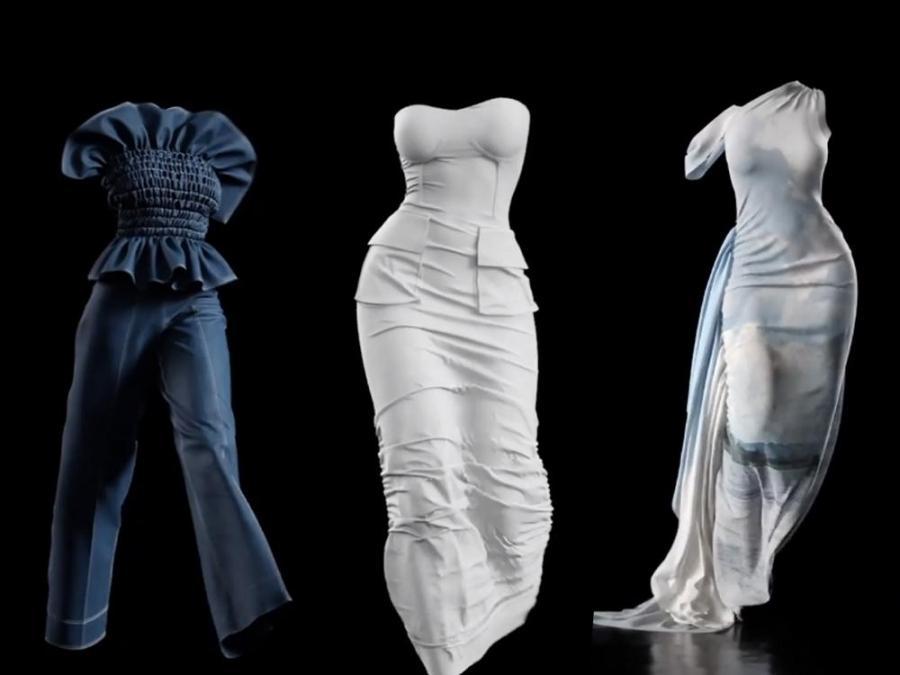
The garments themselves are the most direct form of storytelling in fashion. Designers use color, texture, silhouette, and detail to communicate their narrative, often drawing inspiration from a wide range of sources. Whether it’s the opulence of the Renaissance, the rebellion of punk, or the optimism of the future, the clothes tell a story that the audience can interpret and connect with on a personal level.

The Impact of Storytelling

The power of storytelling in fashion show production extends beyond the immediate experience of the audience. A compelling narrative can elevate a fashion show from a mere presentation to a cultural event, generating buzz and media coverage that can significantly boost a brand’s profile. Moreover, storytelling creates a deeper connection between the brand and its customers, fostering loyalty and a sense of community among those who resonate with the brand’s message.

Conclusion

In the world of fashion, where the visual is paramount, storytelling adds depth and meaning. It transforms a fashion show from a simple display of clothes into a multifaceted experience that engages the senses, stirs the emotions, and leaves a lasting impact. As fashion continues to evolve, the art of storytelling remains a powerful tool for designers to express their creativity, connect with their audience, and leave a mark on the industry.

The Impact of Clothing on Professional Life: Dressed for Success

In the professional world, the adage “you never get a second chance to make a first impression” is a guiding principle for many. The way one dresses can significantly influence their career trajectory, affecting everything from initial job interviews to daily interactions with colleagues and clients. Clothing is not just fabric and style; it is a non-verbal language that communicates status, confidence, and professionalism. This article delves into the impact of clothing on professional life, exploring how the right attire can open doors, enhance credibility, and even influence personal success.

First Impressions Matter

Research has consistently shown that people form opinions about others within seconds of meeting them. These snap judgments are often based on visual cues, including clothing. In a professional setting, the first impression can determine whether a person is perceived as competent, trustworthy, and suitable for the job. Dressing appropriately for the industry and role is crucial. For example, a tailored suit may be expected in finance, while creative industries might allow for more individual expression through fashion.

The Psychology of Dressing Up

Beyond the visual impact on others, the act of dressing well can also have profound psychological effects on the wearer. Clothing can influence self-esteem, confidence, and even behavior. The phenomenon, sometimes referred to as “enclothed cognition,” suggests that the clothes we wear can change our mental and physical state. For instance, donning a power suit can make an individual feel more authoritative and assertive, potentially leading to better performance in a presentation or negotiation.

Cultural and Industry Norms

Understanding the cultural and industry norms of dress is essential for professional success. Different sectors have varying expectations regarding attire, and adhering to these norms can demonstrate respect and a commitment to fitting in. However, there is also room for personal expression within these norms, which can help individuals stand out in a competitive job market. The key is to strike a balance between conformity and individuality, ensuring that one’s style enhances rather than detracts from their professional image.

The Changing Landscape of Workplace Attire

The traditional notions of professional attire are evolving, particularly with the rise of tech companies and the increasing prevalence of remote work. Many organizations are adopting more casual dress codes, which can blur the lines between professional and personal attire. While this shift offers greater flexibility, it also presents new challenges in navigating what is considered appropriate for various professional situations. Virtual meetings, for example, have introduced a new dynamic where the upper half of one’s attire is the primary focus.

Conclusion

Clothing plays a critical role in professional life, influencing both how we are perceived by others and how we perceive ourselves. Dressing for success is not about wearing the most expensive suit or the latest fashion trend but about understanding and adhering to the dress codes of one’s industry while also expressing personal style. As the professional landscape continues to evolve, so too will the norms of workplace attire. Regardless of these changes, the fundamental principle remains: how we dress can have a significant impact on our professional success.