Zatanna: The Mystical Magician – Magical Abilities

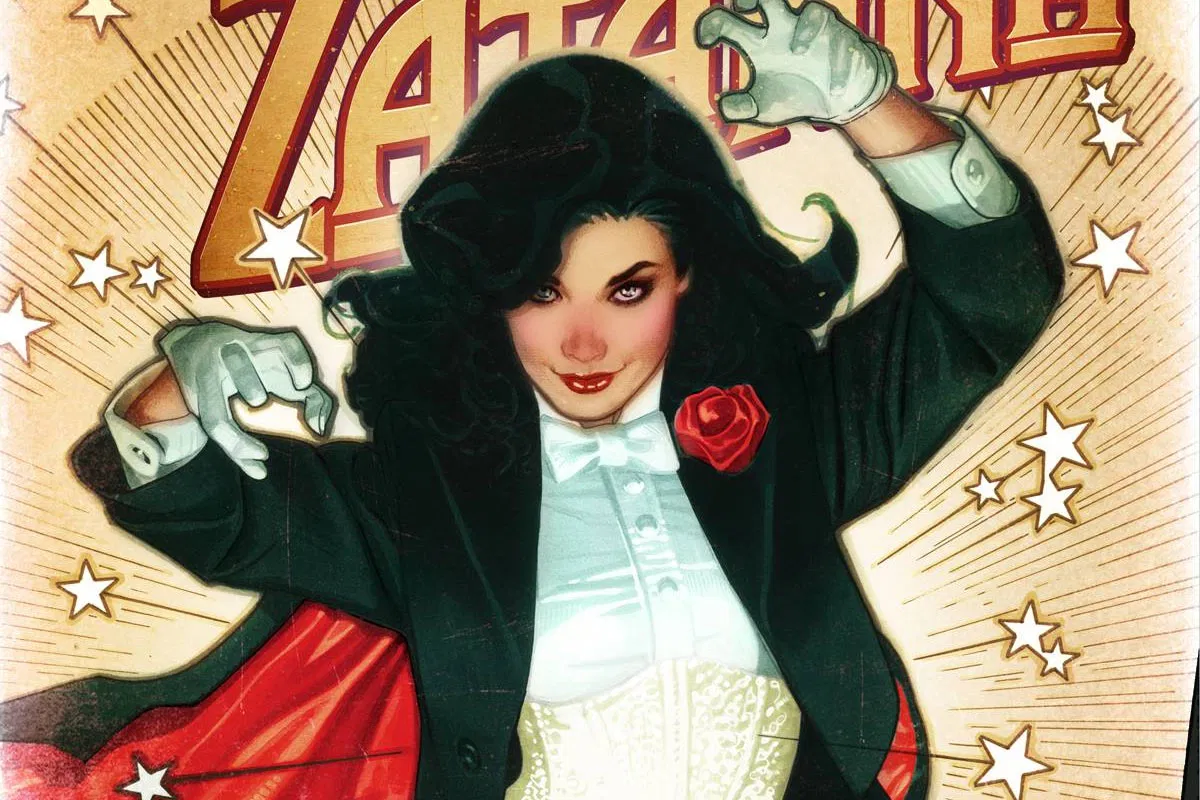
politicalphishing.com – In the vast world of DC Comics, few characters embody the enchantment and allure of magic quite like Zatanna Zatara. As one of the most powerful sorceresses in the DC universe, Zatanna captivates audiences with her spellbinding abilities and charismatic personality. This article delves into the fascinating story of Zatanna, exploring her origins, powers, and enduring impact on the world of comics.

Origins and Background

Zatanna Zatara first appeared in “Hawkman” #4 in 1964, created by writer Gardner Fox and artist Murphy Anderson. She is the daughter of Giovanni “John” Zatara, a renowned magician and hero, and Sindella, a member of the mystical Homo Magi race. Growing up surrounded by magic, Zatanna inherited her father’s magical talents and developed her own impressive abilities. Her early storylines often revolved around her search for her missing father, showcasing her determination and resourcefulness.

Magical Abilities

Zatanna’s magic is primarily performed by speaking spells backward, a unique and creative approach that sets her apart from other magical characters. Her powers are vast and versatile, allowing her to manipulate reality, control elements, heal injuries, and even travel through dimensions. As a master magician, Zatanna can perform feats ranging from the spectacular to the subtle, making her a formidable ally and opponent. Her skill and expertise place her among the most powerful magic users in the DC universe.

Role in the DC Universe

Zatanna is a prominent member of the Justice League and has been involved in numerous storylines that highlight her bravery and leadership. She often serves as a bridge between the superhero community and the mystical world, using her knowledge of magic to help her allies face supernatural threats. Zatanna’s character is marked by her compassion and strong sense of justice, traits that make her a trusted friend and mentor to other heroes.

Personal Life and Relationships

Beyond her magical prowess, Zatanna is known for her vibrant personality and strong relationships with other characters. She shares a close bond with Batman, having a longstanding friendship that occasionally hints at deeper feelings. Her relationship with John Constantine, a fellow magician, is complex and multifaceted, characterized by mutual respect and occasional romantic tension. These connections add depth to Zatanna’s character, showcasing her as a well-rounded and relatable figure.

Cultural Impact and Legacy

Zatanna’s influence extends beyond the pages of comic books. She has appeared in various animated series, films, and video games, further cementing her status as a beloved character in the DC universe. Her iconic costume, featuring a magician’s top hat, fishnet stockings, and a tuxedo, is instantly recognizable and has become a symbol of her magical identity.

Conclusion

Zatanna Zatara, the mystical magician of DC Comics, continues to enchant audiences with her powerful spells and captivating presence. Her unique blend of magic, charisma, and heroism makes her a standout character in the world of comics. As a guardian of the mystical and a champion of justice, Zatanna’s legacy endures, inspiring fans with her strength, intelligence, and unwavering commitment to the forces of good.
Gaston: The Arrogant Hunter – Personality and Traits

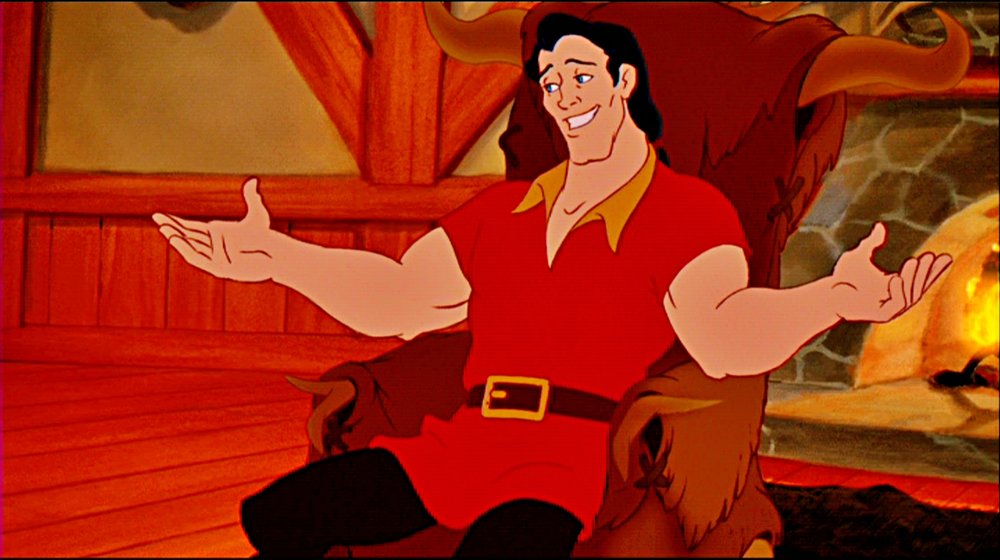
politicalphishing.com – Gaston, the self-proclaimed “Arrogant Hunter,” is a memorable character from Disney’s “Beauty and the Beast.” Known for his overbearing confidence and imposing physical presence, Gaston serves as a unique antagonist in the story. This article explores Gaston’s character, examining his traits, motivations, and the role he plays in the narrative.

Character Overview

Gaston is introduced as the local hero of a small French village, admired for his hunting skills and rugged good looks. His towering stature and chiseled features make him an object of desire for many of the village women, but his sights are set on Belle, the story’s protagonist. Despite his popularity, Gaston’s arrogance and self-centered nature quickly become apparent.

Personality and Traits

Gaston embodies the archetype of a narcissistic villain. He is excessively proud, viewing himself as superior to others in every way. His confidence often borders on delusion, as he cannot fathom why Belle would reject his advances. Gaston’s lack of empathy and his inability to accept “no” for an answer are central to his character. His charm masks a darker side that is revealed as the story progresses.

Role in “Beauty and the Beast”

In “Beauty and the Beast,” Gaston serves as the primary antagonist, contrasting sharply with the Beast’s character development. While the Beast learns to love and be loved, Gaston becomes increasingly obsessed with winning Belle’s affection, ultimately resorting to violence. His actions culminate in an attempt to kill the Beast, fueled by jealousy and the desire to maintain his image as the village hero.

Symbolism and Themes

Gaston represents the dangers of unchecked ego and toxic masculinity. His character highlights themes of vanity, entitlement, and the superficial nature of appearances. By juxtaposing Gaston’s external attractiveness with his internal flaws, the story encourages viewers to look beyond the surface and value inner beauty and character.

Cultural Impact

Gaston has become a cultural icon, embodying the quintessential “arrogant hunter” archetype. His catchy musical number, “Gaston,” showcases his bravado and has become one of the most recognizable songs from the film. Over the years, Gaston has been featured in various adaptations, including stage productions and live-action renditions, reinforcing his status as a classic Disney villain.

Conclusion

Gaston, the Arrogant Hunter, remains a significant figure in the landscape of Disney villains. His blend of charm and menace, coupled with his role as a cautionary tale about vanity and pride, ensures that he continues to captivate audiences. As “Beauty and the Beast” endures as a beloved story, Gaston’s legacy as an unforgettable antagonist will persist, challenging viewers to consider the true nature of heroism and villainy.

Green Goblin – Spider-Man’s Nemesis: Legendary Villain

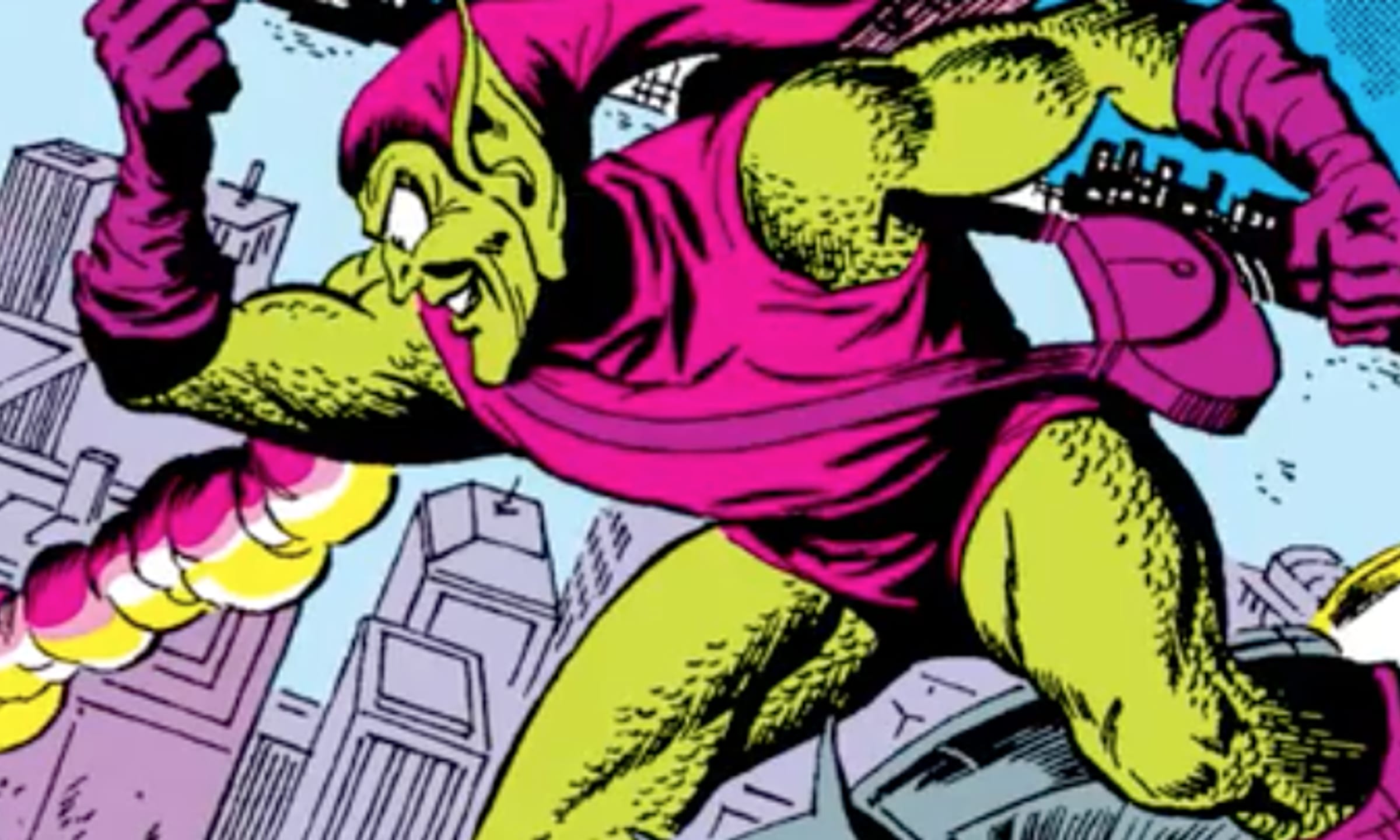
politicalphishing.com – The Green Goblin stands as one of Spider-Man’s most iconic and enduring foes. Known for his maniacal laughter and pumpkin bombs, the Green Goblin is a symbol of chaos and menace in the Marvel Universe. Created by writer Stan Lee and artist Steve Ditko, the character first appeared in “The Amazing Spider-Man” #14 in 1964, and has since become a staple in Spider-Man’s rogues’ gallery.

Origins and Identity

The original Green Goblin is Norman Osborn, a wealthy and brilliant industrialist, and the father of Peter Parker’s best friend, Harry Osborn. Driven by ambition and a desire to wield unparalleled power, Norman experimented with a serum that enhanced his physical abilities and intellect. However, the serum also fractured his mind, leading to the creation of the villainous persona known as the Green Goblin.

The Goblin’s Arsenal

The Green Goblin is known for his array of high-tech gadgets and weaponry. His signature glider, equipped with missiles and machine guns, allows him to fly and maneuver swiftly through the city. He uses a variety of bombs, shaped like pumpkins, which are filled with explosives, gas, and other deadly substances. The Goblin’s arsenal is a testament to Norman Osborn’s genius and his willingness to use technology for destruction.

A Personal Vendetta

What makes the Green Goblin particularly dangerous is his personal vendetta against Spider-Man. Unlike other villains who seek power or wealth, the Goblin is obsessed with defeating Spider-Man, whom he sees as a threat to his ambitions. This obsession has led to numerous confrontations, pushing both Spider-Man and the Goblin to their limits.

The Death of Gwen Stacy

One of the most significant and tragic events in Spider-Man’s history is the death of Gwen Stacy, which was orchestrated by the Green Goblin. In “The Amazing Spider-Man” #121, the Goblin kidnaps Gwen and throws her from the George Washington Bridge. Despite Spider-Man’s desperate attempt to save her, Gwen dies, marking a pivotal and somber moment in comic book history. This event deepened the enmity between Spider-Man and the Green Goblin, cementing the Goblin’s role as a nemesis.

Legacy and Influence

The Green Goblin’s influence extends beyond Norman Osborn. Over the years, the Goblin mantle has been assumed by various characters, including Norman’s son, Harry Osborn, and other imitators. Each incarnation brings a new dimension to the character, but the legacy of the original Green Goblin remains unparalleled in its impact on Spider-Man’s life.

Conclusion

The Green Goblin is more than just a villain; he is a complex character whose actions have left an indelible mark on Spider-Man’s world. His blend of intelligence, madness, and personal vendetta makes him a formidable and compelling adversary. As Spider-Man continues to protect New York City, the specter of the Green Goblin serves as a reminder of the thin line between heroism and villainy, and the personal sacrifices that define the life of a superhero.

The Ruthless Queen: Cersei Lannister from “Game of Thrones”

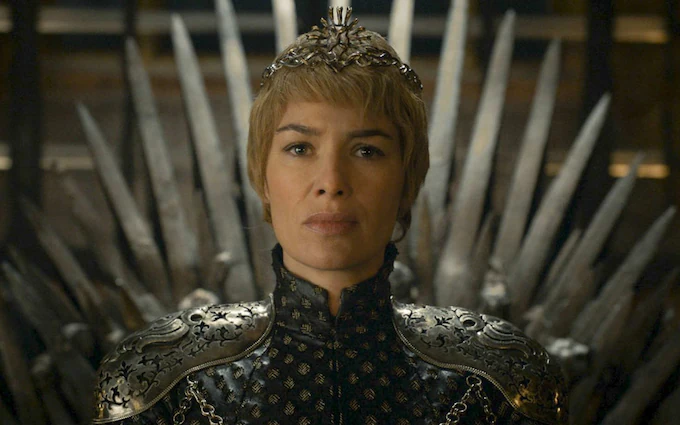
politicalphishing.com – Cersei Lannister, one of the most formidable characters from HBO’s “Game of Thrones,” is a villain whose complexity and cunning have captivated audiences worldwide. Portrayed by Lena Headey, Cersei is a character driven by ambition, love for her family, and a relentless pursuit of power. This article delves into Cersei’s character, her motivations, and her impact on the epic saga of Westeros.

Background and Character Development

Cersei Lannister is introduced as the Queen of the Seven Kingdoms and wife to King Robert Baratheon. As a member of the wealthy and influential Lannister family, Cersei’s upbringing in a world of privilege and political maneuvering shaped her into a shrewd and calculating figure. Her character development throughout the series reveals layers of vulnerability, ambition, and a fierce protective instinct for her children, which often fuels her ruthless actions.

Personality and Motivations

Cersei’s personality is marked by her intelligence, ambition, and unwavering determination to protect her family’s legacy. Her motivations are deeply rooted in her desire to maintain power and ensure the survival of her children. Cersei’s love for her family, particularly her children, is one of her few redeeming qualities. However, her willingness to do whatever it takes to achieve her goals, often at the expense of others, cements her role as a formidable antagonist.

Key Moments and Influence

Throughout “Game of Thrones,” Cersei’s actions have profound consequences on the political landscape of Westeros. Key moments, such as her orchestration of the destruction of the Great Sept of Baelor, demonstrate her willingness to use extreme measures to eliminate her enemies. Her rise to power as the Queen of the Seven Kingdoms showcases her ability to outmaneuver her foes, cementing her status as one of the series’ most iconic villains.

Legacy and Cultural Impact

Cersei Lannister’s character has become a symbol of complex villainy in modern television. Her portrayal challenges traditional notions of female villains, presenting a character who is both deeply flawed and intensely human. Cersei’s influence extends beyond “Game of Thrones,” inspiring discussions about gender, power, and morality in fiction. Her character arc serves as a reminder of the intricate and often morally ambiguous nature of power and ambition.

Conclusion

Cersei Lannister remains an unforgettable character in the realm of fantasy television. Her multifaceted personality, driven by love and ambition, makes her a compelling and formidable villain. As audiences continue to explore the world of Westeros, Cersei’s legacy as the ruthless queen of “Game of Thrones” endures, leaving a lasting impact on the narrative and its viewers.