Life at Earth’s Extremes: The Poles

politicalphishing.com – The Earth’s poles are among the most extreme environments on our planet. These regions, the Arctic and the Antarctic, are characterized by their harsh climates, remote locations, and unique ecosystems. Despite these challenges, life has found a way to thrive at the poles. This article explores the remarkable adaptations of life forms at these polar extremes, the challenges they face, and the importance of these regions to the global climate system.

The Arctic: A Frozen Ocean Surrounded by Land

The Arctic is a vast, icy wilderness that encompasses the northernmost part of the Earth. It is an ocean surrounded by the land masses of North America, Europe, and Asia. The Arctic climate is characterized by long, dark winters and short, cool summers. Temperatures can plummet to as low as -50°C in the winter, and the sun does not rise above the horizon for months.

Life in the Arctic

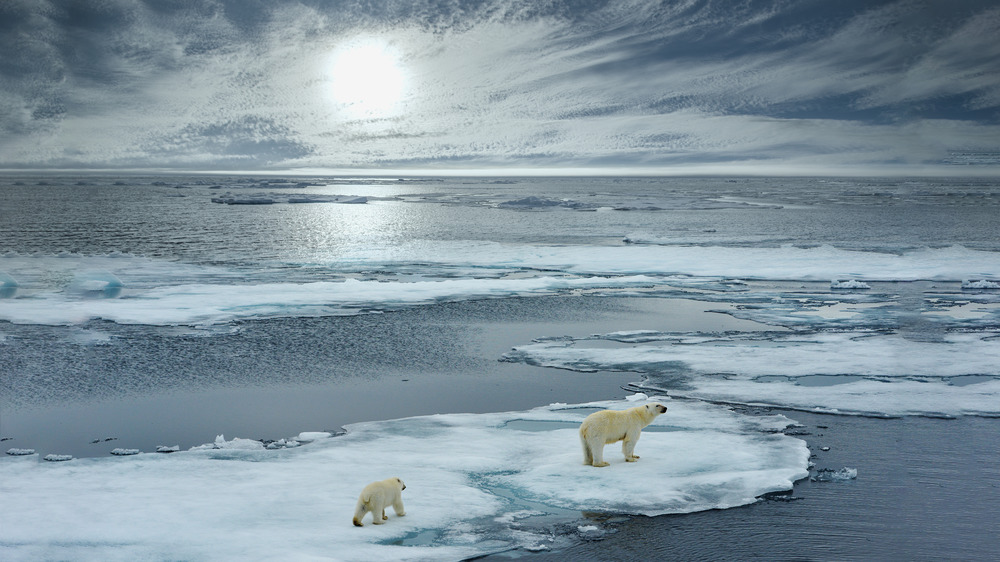
Despite the harsh conditions, the Arctic is home to a diverse range of life forms. Polar bears, the apex predator of the Arctic, have a thick layer of blubber to insulate them from the cold and large paws to navigate the icy terrain. Seals, such as the ringed seal, have adapted to life on the ice, breathing through holes they keep open in the ice. Birds like the snowy owl and the Arctic tern have found ways to survive the extreme conditions, with the latter undertaking one of the longest migrations of any bird.

Challenges Faced by Arctic Life

The primary challenge for life in the Arctic is the cold. Organisms must find ways to prevent freezing, conserve energy, and find food in a seemingly barren landscape. Many Arctic species have developed anti-freeze proteins in their blood and bodily fluids to survive the frigid temperatures.

The Antarctic: A Frozen Continent

The Antarctic, on the other hand, is a continent covered in ice and snow. It is the coldest, driest, and windiest continent on Earth. The Antarctic climate is even more extreme than the Arctic’s, with temperatures dropping as low as -89.2°C. The continent is surrounded by the Southern Ocean, which plays a crucial role in the Earth’s climate system.

Life in the Antarctic

Life in the Antarctic is sparse but resilient. Penguins, such as the emperor penguin, breed on the ice and have adapted to the cold by huddling together to conserve heat. Krill, tiny crustaceans, form the base of the Antarctic food web, feeding everything from whales to seals. Lichens and mosses are among the few plants that can survive the extreme conditions on the continent.

Challenges Faced by Antarctic Life

The challenges faced by Antarctic life are similar to those in the Arctic but even more severe. The cold, the lack of liquid water, and the high levels of UV radiation due to the thinning ozone layer are significant obstacles. Organisms have developed strategies such as supercooling, where they lower their freezing point, and the production of UV-protective pigments.

The Importance of the Poles

The polar regions are not just home to unique and resilient life forms; they are also critical to the Earth’s climate system. The ice and snow reflect sunlight back into space, helping to regulate global temperatures. The melting of polar ice is a key indicator of climate change, with significant implications for sea levels and weather patterns worldwide.

Conclusion

Life at the Earth’s poles is a testament to the resilience and adaptability of living organisms. The polar regions are more than just frozen wastelands; they are vibrant ecosystems that play a vital role in the health of our planet. As we continue to face the challenges of climate change, it is more important than ever to understand and protect these unique and fragile environments.
A Global Festival Odyssey: Rhythms of the Earth

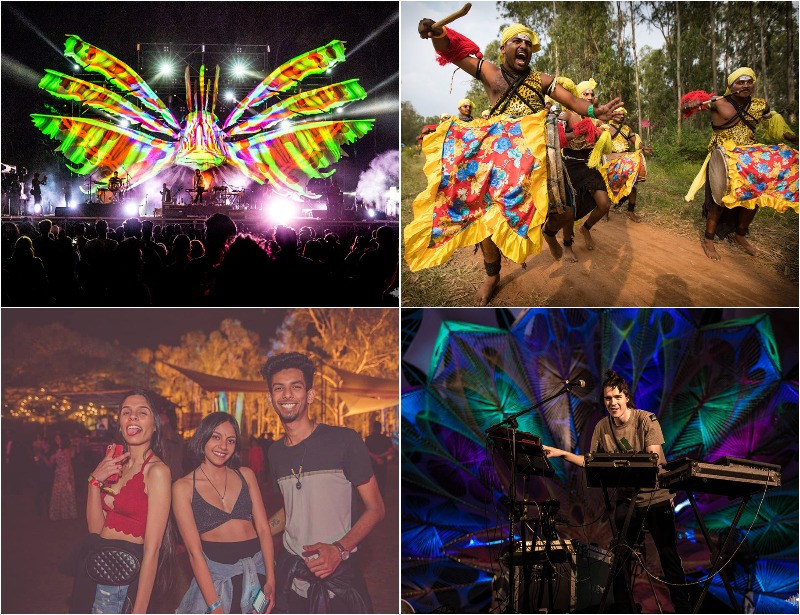
politicalphishing.com – In the heart of cultural diversity lies the universal language of rhythm, a pulsating force that unites people across the globe. “Rhythms of the Earth: A Global Festival Odyssey” is a journey through the vibrant tapestry of global festivals, each with its unique rhythms, dances, and traditions. This odyssey is not just a celebration of music and dance; it’s a deep dive into the soul of communities, where the rhythms of the earth come alive in a symphony of colors, sounds, and movements.

The Rhythmic Heartbeat of Africa:
Our journey begins in Africa, the cradle of humanity, where the rhythms are as ancient as the continent itself. From the high-energy beats of the Kpanlogo dance in Nigeria to the mesmerizing rhythms of the Djembe in Mali, Africa’s festivals are a testament to the continent’s rich cultural heritage. The Festival of the Masks in the Ivory Coast, for example, showcases the intricate dances and masks that tell stories of ancestral spirits and the connection between the living and the dead.

Europe’s Melting Pot of Melodies:
Moving to Europe, we encounter a different yet equally captivating array of rhythms. The spirited flamenco of Spain, with its passionate footwork and clapping, contrasts with the serene melodies of the Scandinavian yoik, a traditional Sami vocalization that harmonizes with the Arctic landscapes. The Carnival of Venice, with its masked balls and elaborate costumes, offers a rhythm of mystery and intrigue, while the Oktoberfest in Munich brings a rhythm of joyous celebration, with beer steins clinking in unison.

The Syncopated Sounds of the Americas:
The Americas are a melting pot of cultures, and their festivals reflect this diversity. The Rio de Janeiro Carnival in Brazil is a kaleidoscope of samba rhythms, vibrant costumes, and elaborate floats, embodying the country’s joyous spirit. In contrast, the Day of the Dead in Mexico offers a rhythm of remembrance, with its intricate altars and processions honoring the deceased. The Pow Wow gatherings of Native American tribes in the United States and Canada showcase the rhythms of indigenous cultures, with drumming and dancing that tell stories of heritage and resilience.

Asia’s Harmony of Rhythms:
Asia’s festivals are a testament to the continent’s vast cultural diversity. The lively beats of the Chhath Puja in India, where devotees offer prayers to the sun god, contrast with the serene rhythm of the tea ceremonies in Japan, which embody the principles of harmony, respect, purity, and tranquility. The Lantern Festival in China, with its dragon dances and lanterns illuminating the night, offers a rhythm of light and hope, while the Songkran Water Festival in Thailand brings a playful rhythm of water-throwing and street parties to celebrate the New Year.

Oceania’s Rhythms of the Sea:
In Oceania, the rhythms are deeply connected to the sea and the land. The Hula dance in Hawaii tells stories of the islands through graceful movements and chants, while the Corroboree in Australia showcases the rich culture of Aboriginal peoples, with its intricate body paintings and dances that pass down stories and laws from generation to generation.

Conclusion:
“Rhythms of the Earth: A Global Festival Odyssey” is a testament to the power of rhythm to bring people together, transcending language and cultural barriers. Each festival is a window into the soul of a community, a celebration of life, and a tribute to the ancestors. As we travel through these global festivities, we are reminded of our shared humanity and the universal language of rhythm that connects us all. This odyssey is not just an exploration of the world’s cultures; it’s a celebration of the rhythms that make our planet a vibrant, pulsating mosaic of life.