A Journey into Mythology: “Clash of the Titans” (1981)

politicalphishing.com – “Clash of the Titans,” directed by Desmond Davis and released in 1981, is a fantasy adventure film that brings to life the rich tapestry of Greek mythology. With its blend of heroic quests, divine intervention, and mythical creatures, the film offers a captivating cinematic experience that continues to enchant audiences.

Plot Overview: A Hero’s Quest

The film follows the heroic journey of Perseus, portrayed by Harry Hamlin, as he embarks on a perilous quest to save the city of Joppa and the life of Princess Andromeda, played by Judi Bowker. His adventures take him through a series of challenges, including encounters with Medusa, the winged horse Pegasus, and the fearsome Kraken, culminating in a battle against the monstrous sea creature to save Andromeda.

Iconic Special Effects: The Work of Ray Harryhausen

“Clash of the Titans” is renowned for its groundbreaking special effects, created by the legendary stop-motion animator Ray Harryhausen. His innovative techniques brought mythical creatures to life, from the snake-haired Medusa to the giant Kraken, leaving a lasting impact on the fantasy genre. Harryhausen’s work in this film represents the pinnacle of his career, showcasing his ability to blend imagination with technical prowess.

The Cast and Their Contributions

Harry Hamlin’s portrayal of Perseus captures the essence of the classic hero—brave, determined, and noble. The film also features an impressive supporting cast, including Laurence Olivier as Zeus, Maggie Smith as Thetis, and Burgess Meredith as Ammon. Their performances add depth and gravitas to the film, enhancing its mythological grandeur.

Themes and Mythological Roots

“Clash of the Titans” draws heavily from Greek mythology, weaving together tales of gods and heroes, love and vengeance. The film explores themes of fate, courage, and the interplay between mortals and deities, offering audiences a timeless story that resonates with universal truths and moral lessons.

Reception and Cultural Impact

Upon its release, “Clash of the Titans” was met with mixed reviews from critics but was a commercial success, praised for its visual effects and adventurous spirit. Over the years, it has achieved cult status, remembered fondly by fans for its imaginative storytelling and Harryhausen’s unforgettable creatures.

Conclusion: The Lasting Legacy of “Clash of the Titans”

“Clash of the Titans” (1981) remains a beloved classic in fantasy cinema, celebrated for its enchanting portrayal of Greek mythology and its pioneering special effects. As audiences continue to explore the realms of myth and legend through film, “Clash of the Titans” stands as a testament to the enduring power of storytelling and the magic of cinematic imagination.

Houston’s Museums: A Journey Through Science and History

politicalphishing.com – Houston, Texas, is not only known for its vibrant cultural scene and culinary delights but also for its world-class museums. These institutions offer a fascinating journey through science and history, providing visitors with a deeper understanding of the world around them. From the mysteries of space to the intricacies of ancient civilizations, Houston’s museums are a treasure trove of knowledge and discovery.

The Houston Museum of Natural Science

One of the crown jewels of Houston’s museum district is the Houston Museum of Natural Science. This renowned institution captivates visitors with its extensive exhibits that cover a wide range of scientific fields. The museum’s highlights include the Burke Baker Planetarium, where you can explore the wonders of the universe, and the Cockrell Butterfly Center, a lush, tropical environment teeming with vibrant butterflies.

The Paleontology Hall is a must-see for dinosaur enthusiasts, showcasing an impressive collection of fossils and life-sized dinosaur skeletons. The museum also hosts traveling exhibitions that bring rare artifacts and cutting-edge science to the heart of Houston.

Space Center Houston

Houston’s connection to space exploration is celebrated at Space Center Houston, the official visitor center of NASA’s Johnson Space Center. This interactive museum offers an unparalleled glimpse into the world of space travel. Visitors can explore a full-size replica of the Space Shuttle Independence, marvel at the historic Apollo 17 Command Module, and even take a tram tour of the Johnson Space Center to see where astronauts train.

The center’s exhibits delve into the past, present, and future of space exploration, making it a thrilling destination for space enthusiasts of all ages. It’s a place where the wonders of science and the spirit of exploration come to life.

The Museum of Fine Arts, Houston

While primarily an art museum, the Museum of Fine Arts, Houston (MFAH) also offers a captivating journey through history. Its vast collection spans centuries and continents, featuring everything from ancient artifacts to modern masterpieces. The museum’s encyclopedic approach provides a comprehensive understanding of human creativity and cultural evolution.

Visitors can explore galleries dedicated to ancient Egypt, the Islamic world, and European art, among others. Special exhibitions often feature historical themes, offering unique insights into different periods and cultures.

The Holocaust Museum Houston

Dedicated to educating the public about the Holocaust and promoting human rights, the Holocaust Museum Houston is a poignant and powerful institution. Through its exhibits, the museum tells the stories of the Holocaust’s victims and survivors, emphasizing the importance of tolerance and understanding.

The museum’s permanent exhibition, “Bearing Witness: A Community Remembers,” includes personal stories and artifacts that offer a sobering reflection on history. Educational programs and special exhibitions further explore themes of social justice and human rights.

Conclusion

Houston’s museums offer an enriching journey through science and history, providing visitors with a deeper appreciation for the world and its past. Whether you’re fascinated by the cosmos, intrigued by ancient cultures, or moved by stories of resilience and hope, Houston’s museums have something to offer. They are places of learning and inspiration, inviting you to explore the wonders of science and the complexities of history.

Journey Through Light: Exploring the Wonders of Illumination

politicalphishing.com – Light is a fundamental aspect of our existence, shaping our perceptions and experiences. “Journey Through Light” invites us to explore the multifaceted nature of light, from its scientific principles to its artistic and cultural significance. This article delves into the journey of light, uncovering its mysteries, its impact on our world, and how it inspires creativity and innovation.

The Science of Light

At the core of our understanding of light is its behavior as both a wave and a particle, a concept known as wave-particle duality. Light travels at an incredible speed, allowing us to perceive the world around us almost instantaneously. It interacts with matter in various ways—reflecting, refracting, and being absorbed—enabling us to see colors and shapes. The study of light, or optics, has led to groundbreaking technologies in fields ranging from medicine to telecommunications.

Light in Nature

Light plays a crucial role in nature, driving processes such as photosynthesis, which sustains life on Earth. The interplay of light and water creates stunning phenomena like rainbows and auroras, captivating our imagination. Natural lighting conditions, such as the golden hour during sunrise and sunset, have inspired artists and photographers to capture the beauty of the world in its most flattering glow.

The Artistic Expression of Light

Artists have long been fascinated by light, using it as a medium to evoke emotions and tell stories. From the chiaroscuro technique in painting, which contrasts light and dark, to the use of light installations in modern art, light has become a powerful tool for creative expression. In cinema, lighting is essential in setting the mood and guiding the audience’s emotional journey.

Light in Culture and Symbolism

Light holds profound symbolic meanings across cultures, often representing knowledge, purity, and hope. Festivals of light, such as Diwali and Hanukkah, celebrate the triumph of light over darkness, symbolizing renewal and spiritual enlightenment. In literature and religion, light is frequently used as a metaphor for truth and divinity, guiding individuals on their spiritual journeys.

Innovations in Light Technology

Advancements in light technology have transformed our lives in countless ways. Energy-efficient LED lighting has revolutionized how we illuminate our homes and cities, reducing energy consumption and environmental impact. Laser technology has enabled precise medical procedures and advanced manufacturing processes. Moreover, the exploration of light in quantum computing holds the potential to revolutionize how we process information.

Conclusion

“Journey Through Light” is an exploration of the omnipresent and awe-inspiring nature of light. From its scientific underpinnings to its cultural and artistic significance, light continues to illuminate our lives in myriad ways. By understanding and appreciating the journey of light, we unlock new possibilities for innovation and creative expression, enriching our world and our experiences within it. Let us continue to be inspired by the wonders of illumination and the endless journey it offers.

A Delightful Journey Through Old Cities: Indian Street Food

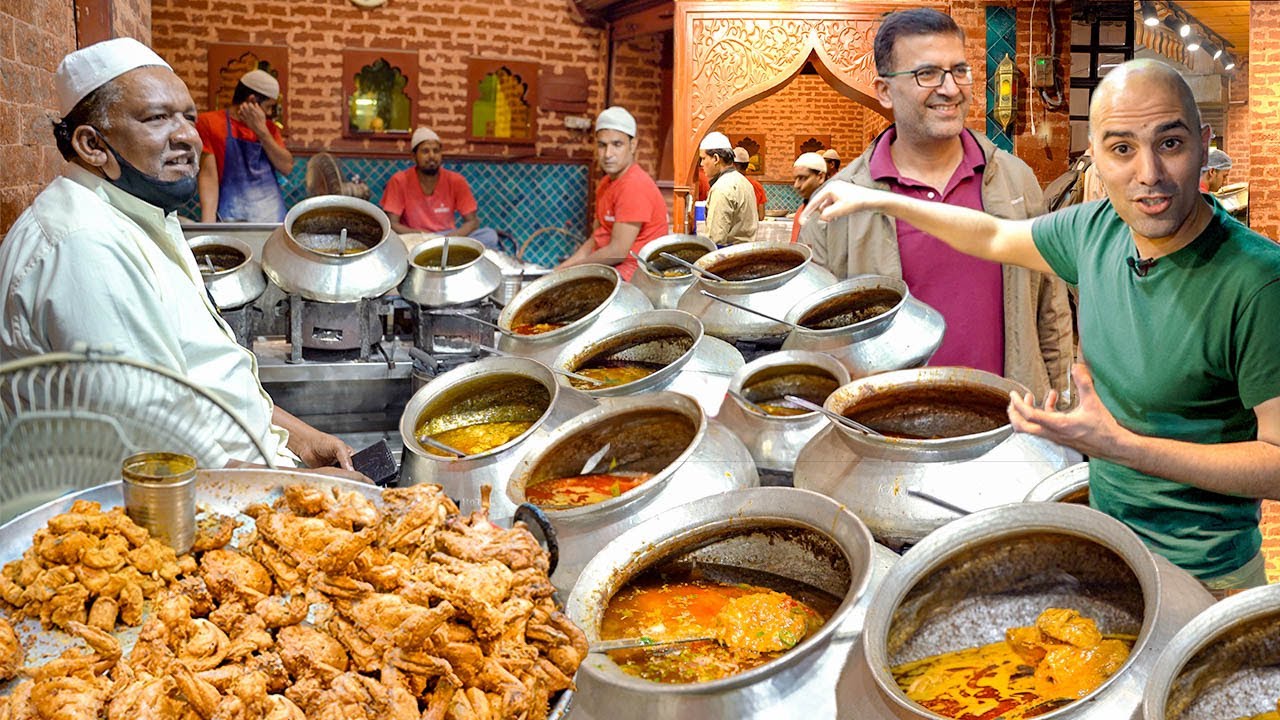
politicalphishing.com – India, with its rich tapestry of cultures and traditions, is a paradise for food lovers. The country’s street food scene is particularly vibrant, offering a myriad of flavors, textures, and aromas that reflect the diversity of its regions. From the bustling streets of Mumbai to the historic lanes of Delhi, Indian street food is a delightful journey through the old cities, each with its unique culinary heritage.

The History of Indian Street Food

Indian street food has its roots in the ancient tradition of hawkers selling snacks and meals to travelers and workers. Over centuries, these street-side eateries evolved, adapting to local tastes and ingredients. Today, they are an integral part of India’s food culture, providing a glimpse into the country’s history, traditions, and regional diversity.

Mumbai: The Melting Pot of Flavors

Mumbai, the financial capital of India, is a melting pot of cultures, and its street food scene is a testament to this diversity. The iconic vada pav, a spicy potato fritter served in a bread bun, is the quintessential Mumbai street snack. Other favorites include pav bhaji, a spiced vegetable mash served with bread, and bhel puri, a tangy mixture of puffed rice, vegetables, and chutneys.

The Art of Mumbai’s Street Food

The art of Mumbai’s street food lies in its ability to cater to the fast-paced life of the city. Vendors, known as hawkers, prepare and serve food with speed and efficiency, ensuring that the flavors and quality are not compromised. The use of fresh, locally sourced ingredients and the skillful blending of spices make Mumbai’s street food a unique culinary experience.

Delhi: A Journey Through History

Delhi, the capital city, has a street food scene that is as diverse as its history. From the narrow lanes of Old Delhi to the upscale neighborhoods of South Delhi, the city offers a plethora of street food options. The famous chaat, a savory snack made with crispy fried dough, potatoes, chutneys, and yogurt, is a must-try. Other popular snacks include parathas, stuffed flatbreads, and kebabs, grilled meat skewers that are a legacy of the city’s Mughal past.

The Art of Delhi’s Street Food

The art of Delhi’s street food is in its rich history and the way it has adapted to the changing times. The city’s street food vendors are custodians of traditional recipes, passed down through generations, while also innovating to meet the evolving tastes of their customers. The result is a culinary landscape that is both authentic and dynamic.

Kolkata: The Sweet and Savory Symphony

Kolkata, the cultural capital of India, is renowned for its love of food. The city’s street food scene is a harmonious blend of sweet and savory, with options ranging from the famous mishti doi, a sweet yogurt, to the spicy phuchka, a type of pani puri. Kolkata’s street food is also known for its fish dishes, reflecting the city’s proximity to the Bay of Bengal.

The Art of Kolkata’s Street Food

The art of Kolkata’s street food lies in its balance of flavors and the use of local ingredients. The city’s vendors are experts in creating dishes that are both comforting and exciting, catering to the discerning palates of Kolkatans. The street food of Kolkata is a reflection of the city’s cultural heritage and its people’s zest for life.

Beyond the Cities: Regional Delights

Beyond the major cities, India’s street food scene is enriched by regional specialties. From the dhokla and fafda of Gujarat to the idli and dosa of South India, each region offers its unique street food delights. These dishes are often tied to local festivals and traditions, making them an integral part of the community’s cultural identity.

The Future of Indian Street Food

As India continues to embrace its street food culture, the scene is evolving. Food festivals, pop-up stalls, and food trucks are becoming more common, providing a platform for street food vendors to showcase their culinary skills. Social media and food blogs are also playing a significant role in popularizing Indian street food, both within the country and internationally.

Conclusion

Indian street food is more than just a culinary experience; it is a journey through the country’s history, culture, and regional diversity. From the bustling streets of Mumbai to the historic lanes of Delhi, and the cultural heart of Kolkata, Indian street food offers a delightful array of flavors that reflect the country’s rich culinary heritage. Whether you’re a seasoned traveler or a curious foodie, the street food of India is an adventure not to be missed.

A Journey into a Mystical Realm: The Enchanted Garden

Nestled within the embrace of nature, far from the cacophony of the modern world, lies an extraordinary sanctuary known as The Enchanted Garden. This mystical realm is a place where the boundaries between the tangible and the ethereal blur, inviting visitors to embark on a journey of wonder and discovery. The Enchanted Garden is not merely a collection of flora and fauna; it is a living, breathing entity that whispers secrets of the earth and sky, a place where every step reveals a new marvel.

Upon entering The Enchanted Garden, one is greeted by a canopy of ancient trees, their gnarled branches reaching out as if to welcome newcomers into their embrace. The air is fragrant with the scent of blooming flowers, a symphony of aromas that changes with the seasons. The garden is designed in such a way that each path leads to a new surprise, encouraging exploration and the uncovering of hidden gems.

The heart of The Enchanted Garden is the Mirror Lake, a serene body of water that reflects the sky and the surrounding foliage with such clarity that it seems like a portal to another world. Here, visitors can sit on the stone benches that dot the lakeshore and watch as koi fish glide gracefully beneath the surface, or as water lilies bloom in a silent ballet of nature.

As one ventures deeper into the garden, they encounter the Secret Grove, a secluded area where the trees grow close together, creating a natural cathedral. The light filters through the leaves in ethereal beams, casting a magical glow on the forest floor. It is said that the Secret Grove is home to the garden’s guardians, mythical creatures that protect the sanctity of this sacred space.

The Enchanted Garden is also a place of learning and growth. The Herbarium, a quaint building nestled among the greenery, houses a vast collection of books on botany, horticulture, and the mystical properties of plants. Here, visitors can attend workshops and lectures led by experts in the field, gaining insights into the ancient wisdom of the earth.

But The Enchanted Garden is more than just a physical space; it is an experience that touches the soul. It is a place where the stresses of daily life melt away, replaced by a sense of peace and connection to the natural world. The garden’s beauty is not just in its visual splendor, but in the emotions it evokes—awe, tranquility, and a deep-seated joy that comes from being in harmony with nature.

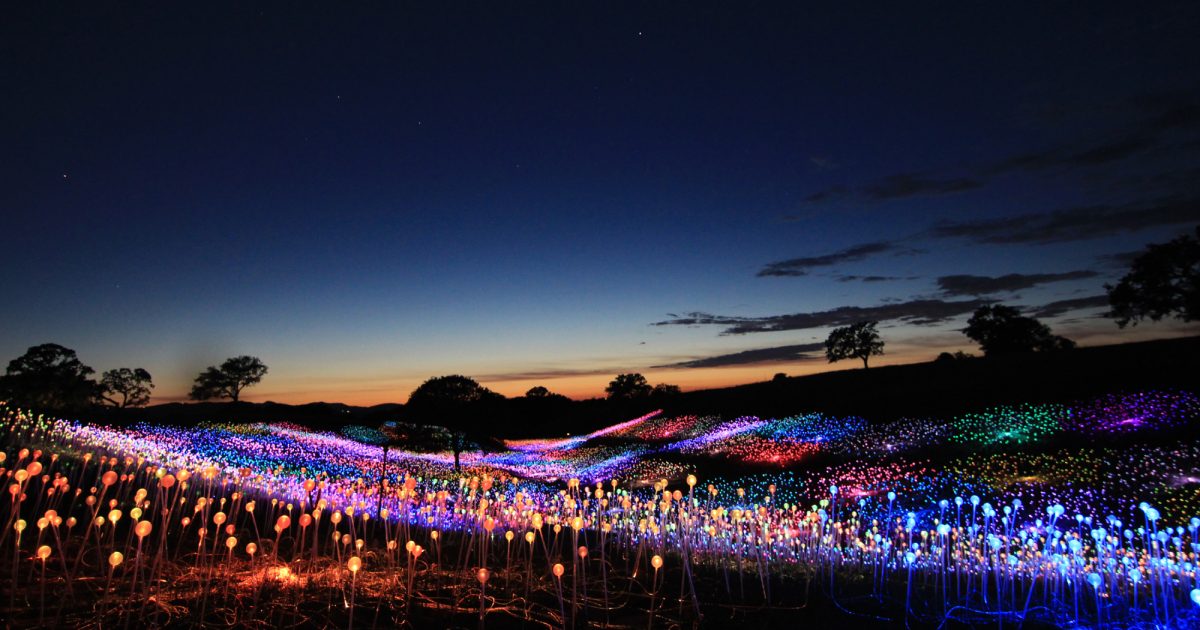
As the sun sets and the garden prepares for the slumber of night, the Enchanted Garden reveals yet another facet of its enchantment. The Night Garden comes alive with the soft glow of fireflies and the gentle hum of nocturnal creatures. Lanterns strung along the pathways flicker to life, casting a warm light that guides visitors through the darkness. It is a reminder that even in the absence of daylight, beauty and wonder can be found.

The Enchanted Garden is a testament to the power of nature to inspire, heal, and enchant. It is a place that reminds us of the magic that exists in the world, if only we take the time to look. Whether one visits to marvel at the blooming flowers, to seek solace in the quietude of the Secret Grove, or to learn from the wisdom of the Herbarium, The Enchanted Garden offers something unique to every soul that passes through its gates.

In a world that often feels too loud and too fast, The Enchanted Garden stands as a beacon of tranquility and a reminder of the beauty that lies in the simplicity of nature. It is a place where dreams and reality intertwine, where every visit is a journey into the mystical, and where the enchantment of the garden leaves an indelible mark on the hearts of all who experience it.