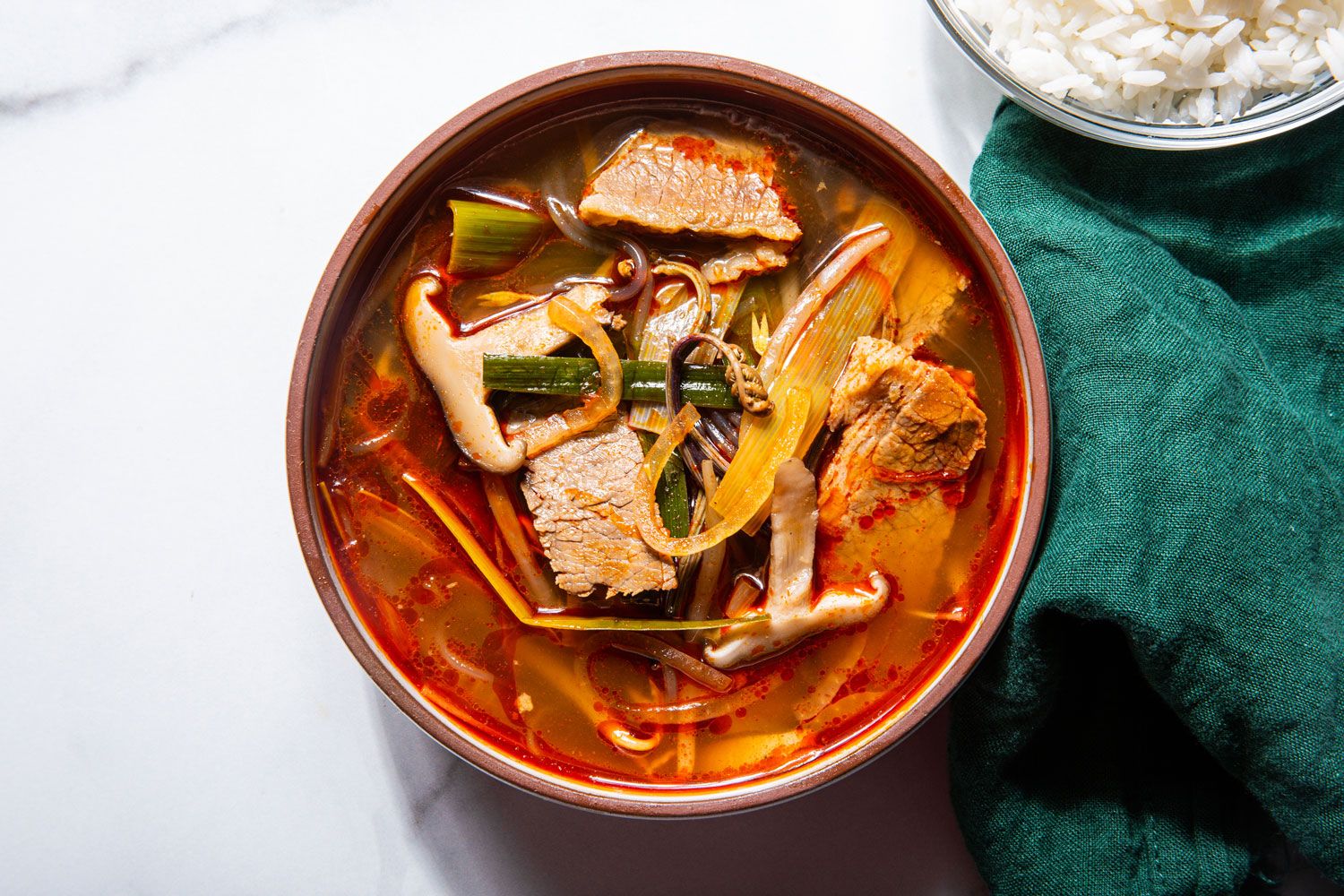
Yukgaejang: The Hearty Korean Spicy Beef Soup

politicalphishing.com – Yukgaejang is a beloved Korean dish known for its robust flavors and comforting warmth. This spicy beef soup is packed with a variety of vegetables and aromatic spices, making it a perfect meal for those seeking a hearty and satisfying dish. Its rich broth and tender beef create a harmonious blend that is both nourishing and invigorating.

Historical Background and Cultural Significance

Yukgaejang has long been a staple in Korean cuisine, with roots that trace back to the Joseon Dynasty. Traditionally, it was considered a royal dish due to its rich ingredients and complex preparation. Over time, it became a popular meal for common people as well, often served during special occasions and family gatherings. Its popularity endures today, celebrated for its ability to bring warmth and comfort, especially during the colder months.

Key Ingredients and Flavor Profile

The main ingredients in Yukgaejang include beef, typically brisket, and a variety of vegetables such as green onions, bean sprouts, and fernbrake (gosari). The soup is seasoned with red pepper flakes (gochugaru), garlic, soy sauce, and sesame oil, giving it a spicy and savory taste.

  • Beef: Provides a rich, meaty flavor and a source of protein.
  • Gochugaru: Adds a spicy kick and vibrant color.
  • Vegetables: Offer texture and balance, contributing to the soup’s nutritional value.
  • Sesame Oil and Soy Sauce: Enhance the depth of flavor with nutty and umami notes.

Preparation Method

  1. Preparing the Beef: Start by boiling the beef brisket in water until it becomes tender. Once cooked, shred the meat into bite-sized pieces and set aside.
  2. Making the Broth: Use the same pot with the beef cooking water to create a flavorful broth. Add the shredded beef back into the pot.
  3. Adding Vegetables and Seasonings: Incorporate green onions, bean sprouts, fernbrake, and other vegetables into the broth. Season with gochugaru, minced garlic, soy sauce, and sesame oil. Allow the soup to simmer, letting the flavors meld together.
  4. Final Touches: Taste and adjust the seasoning if necessary. The soup should be spicy, savory, and aromatic.

Serving Suggestions

Yukgaejang is traditionally served hot, accompanied by a bowl of steamed rice. The rice helps balance the spiciness of the soup and makes for a complete, satisfying meal. It pairs well with various side dishes, such as kimchi and pickled vegetables, which complement its bold flavors.

Conclusion

Yukgaejang is more than just a soup; it is a celebration of Korean culinary tradition and the art of balancing flavors. Its hearty ingredients and spicy broth make it a comforting and invigorating dish, perfect for anyone looking to experience authentic Korean cuisine. Whether enjoyed at home or in a restaurant, Yukgaejang offers a taste of Korea’s rich cultural heritage and a delightful dining experience.
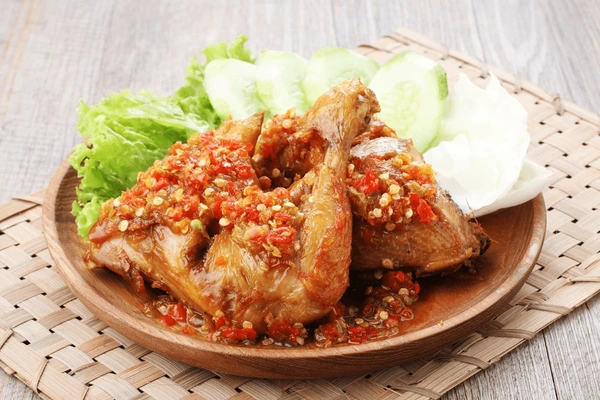
Ayam Penyet: A Spicy Delight from Indonesia

politicalphishing.com – Ayam Penyet, or smashed fried chicken, is a beloved Indonesian dish known for its crispy texture and bold flavors. Popular in Southeast Asia, this dish has gained a loyal following for its unique preparation method and tantalizing taste. In this article, we will delve into the history, preparation, variations, and cultural significance of Ayam Penyet.

The Origins of Ayam Penyet

Ayam Penyet hails from East Java, Indonesia, where it was created as a flavorful twist on traditional fried chicken. The term “penyet” means “smashed” in Javanese, referring to the technique of lightly pressing the fried chicken to enhance its texture and allow the spices to penetrate more deeply. This dish quickly became a staple in Indonesian cuisine and has since spread to neighboring countries, including Malaysia and Singapore.

Preparing Ayam Penyet: Ingredients and Techniques

The preparation of Ayam Penyet begins with marinating chicken pieces in a blend of spices such as turmeric, garlic, coriander, and galangal. This marinade infuses the chicken with a rich and aromatic flavor. After marinating, the chicken is deep-fried to a golden brown, achieving a crispy exterior while remaining tender inside.

Once fried, the chicken is gently smashed using a pestle or mallet to flatten it slightly, allowing the flavors to meld together. Ayam Penyet is traditionally served with sambal, a spicy chili paste made from a mix of chilies, tomatoes, shrimp paste, and lime juice, adding a fiery kick that complements the savory chicken.

Variations of Ayam Penyet

While the classic Ayam Penyet features chicken, there are several variations that incorporate different proteins. Some popular alternatives include Tahu Penyet (smashed tofu), Tempe Penyet (smashed tempeh), and Ikan Penyet (smashed fish). Each variation offers a unique taste experience while maintaining the distinctive “penyet” preparation method.

Cultural Significance and Enjoyment

Ayam Penyet is more than just a meal; it is a cultural experience that reflects Indonesia’s vibrant culinary heritage. It is commonly enjoyed at warungs (local eateries) and food stalls, often accompanied by steamed rice and fresh vegetables. The dish’s spicy and savory profile makes it a favorite among those who enjoy bold flavors and heat.

Ayam Penyet Around the World

The popularity of Ayam Penyet has transcended Indonesian borders, with eateries in Malaysia, Singapore, and beyond serving this delightful dish. Its global appeal has led to creative adaptations, with chefs experimenting with different spices and cooking techniques to cater to local palates while preserving its authentic essence.

Conclusion

Ayam Penyet is a testament to the rich flavors and inventive cooking techniques of Indonesian cuisine. Its combination of crispy fried chicken, aromatic spices, and fiery sambal creates a symphony of tastes that continues to captivate food lovers worldwide. Whether enjoyed in its traditional form or as a modern adaptation, Ayam Penyet remains a spicy delight that represents the heart and soul of Indonesia’s culinary landscape.