
Squirrel Food: Understanding the Diet of These Agile Foragers

politicalphishing.com – Squirrels are nimble, intelligent rodents found in forests, parks, and urban areas worldwide. Known for their bushy tails and acrobatic movements, squirrels are opportunistic foragers with a diverse diet. From nuts to insects, their food preferences change with the seasons and their environment. Understanding what squirrels eat is key to supporting their health, whether you’re observing them in the wild or caring for them in captivity. This article will explore the typical foods squirrels consume, their seasonal feeding habits, and how they gather and store food for winter.

1. Squirrel Diet Overview: Primarily Herbivorous, Occasionally Omnivorous

Squirrels are primarily herbivores, but they are also opportunistic omnivores, meaning they eat both plant-based and animal-based foods. Their diet is rich in nuts, seeds, fruits, and plants, but they will also consume insects and other small animals when necessary.

Key Components of a Squirrel’s Diet:

  • Nuts and seeds: The cornerstone of a squirrel’s diet.
  • Fruits and berries: A seasonal favorite.
  • Vegetables: Leaves, roots, and plant stems are eaten when available.
  • Insects and small animals: Occasional sources of protein.
  • Tree bark and fungi: Eaten during leaner months, particularly in winter.

Squirrels are adaptable feeders, and their diet varies depending on what is available in their habitat.

2. Nuts and Seeds: The Mainstay of a Squirrel’s Diet

Nuts and seeds are a staple food for squirrels, especially during the fall when they gather and store them for the winter. These foods are packed with fats and proteins that provide the energy squirrels need to stay active and survive colder months.

Common Nuts and Seeds Eaten by Squirrels:

  • Acorns: A favorite food source, especially in oak-rich areas.
  • Walnuts: Squirrels are known for their ability to crack open hard walnut shells.
  • Pine nuts: In forested areas, squirrels may extract seeds from pine cones.
  • Hazelnuts: A common food for squirrels living in deciduous forests.
  • Sunflower seeds: Frequently eaten by squirrels near bird feeders.

Squirrels are experts at cracking open nuts with their strong teeth and often store extra nuts in caches to help them survive the winter.

3. Fruits and Berries: Seasonal and Nutrient-Rich

Fruits and berries are a seasonal but important part of a squirrel’s diet, offering vital nutrients such as vitamins and sugars. These are typically eaten in the warmer months when they are abundant.

Common Fruits and Berries Eaten by Squirrels:

  • Apples: Squirrels may eat wild apples or those found in gardens.
  • Berries: Raspberries, blackberries, and strawberries are all enjoyed by squirrels.
  • Grapes: In some areas, squirrels can be found nibbling on wild or cultivated grapes.
  • Peaches: Fallen fruits like peaches may be consumed by squirrels in orchards.

Fruits and berries provide hydration and quick energy, helping squirrels stay active during the summer and fall.

4. Vegetables and Plants: Foraging for Greens

In addition to fruits and nuts, squirrels eat a variety of plant-based foods, including leaves, roots, and vegetables. These foods supplement their diet, especially in garden environments or forested areas.

Common Plant Foods for Squirrels:

  • Leafy greens: Squirrels may nibble on leaves from plants or trees.
  • Roots and tubers: Squirrels dig up and eat root vegetables, such as carrots or sweet potatoes, when available.
  • Corn: Squirrels often feed on corn kernels, especially in areas where corn is grown.
  • Flowers: Squirrels may occasionally eat certain types of flowers or flower buds.

Plant matter, especially young, tender leaves, is a vital part of a squirrel’s diet in the spring and summer when these foods are abundant.

5. Insects and Small Animals: Occasional Protein Sources

While squirrels primarily eat plant-based foods, they do consume animal matter when available, especially when their protein needs increase during the breeding season.

Common Animal Foods:

  • Insects: Beetles, caterpillars, and grasshoppers are sometimes part of their diet.
  • Bird eggs: Squirrels may raid nests to eat eggs or even young birds.
  • Small mammals: In rare cases, squirrels may hunt small rodents or amphibians.

These protein sources are important for squirrels during times of high energy demand, such as the reproductive season.

6. Tree Bark, Fungi, and Mushrooms: Winter Survival Foods

During winter, when fresh food is scarce, squirrels turn to less appealing but necessary food sources like tree bark and fungi. These foods provide essential nutrients and help squirrels survive when their preferred foods are unavailable.

Common Winter Foods for Squirrels:

  • Tree bark: Squirrels strip bark from trees to access the inner cambium layer.
  • Mushrooms: Some squirrel species eat fungi, including mushrooms and truffles.
  • Lichens: In extreme conditions, squirrels may eat lichens found on trees.

These hard-to-digest foods are eaten as a last resort when more nutritious foods are not available during the cold months.

7. Squirrel Feeding Habits: Gathering and Hoarding

Squirrels are known for their habit of gathering food and storing it in caches to prepare for winter. They often bury nuts and seeds in shallow holes, known as scatter hoarding, which helps them locate food even when it’s buried under snow.

How Squirrels Hoard Food:

  • Caching: Squirrels bury nuts and seeds in various locations to reduce the risk of losing their entire food supply.
  • Memory: Squirrels rely on their memory to retrieve stored food, but they also use scent to locate buried caches.

This behavior is vital for survival, as squirrels do not hibernate and need to maintain a constant supply of food throughout winter.

8. Feeding Squirrels in Captivity

If you are caring for a pet squirrel or regularly feed wild squirrels, it’s important to offer a balanced diet that mimics their natural food sources. A variety of nuts, seeds, fruits, and vegetables should be provided, along with fresh water.

Ideal Foods for Captive Squirrels:

  • Nuts: Unsalted, unprocessed nuts like walnuts, hazelnuts, and almonds.
  • Fresh fruits: Apples, bananas, and berries can be offered as occasional treats.
  • Vegetables: Carrots, leafy greens, and sweet potatoes are nutritious options.
  • Insects: Mealworms or crickets can be offered as a protein source.

Avoid feeding squirrels sugary or processed foods, as these can harm their health.

9. Conclusion

Squirrels are adaptable and opportunistic feeders with a diverse diet that includes nuts, seeds, fruits, vegetables, and occasionally animal matter. Their diet changes with the seasons, and they are known for storing food to prepare for the winter. By understanding their feeding habits and dietary needs, you can ensure that squirrels in your care or in the wild remain healthy and well-fed year-round. Providing a balanced, natural diet supports their active and energetic lifestyle.
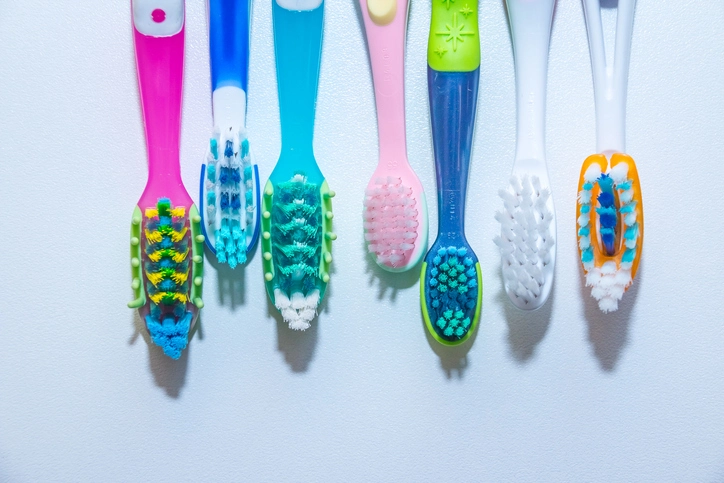

The Great Toothbrush Showdown – Understanding the Contenders

politicalphishing.com – In the world of dental hygiene, choosing the right toothbrush can be a daunting task. With so many options available, how do you determine which one is best for you? Enter “The Great Toothbrush Showdown,” a comprehensive guide to understanding the various types of toothbrushes and finding the perfect fit for your dental needs.

Understanding the Contenders

The showdown begins with an overview of the different types of toothbrushes available on the market. From manual to electric, each type has its own set of features and benefits. Manual toothbrushes come in a variety of bristle types and head shapes, allowing for a personalized brushing experience. On the other hand, electric toothbrushes offer advanced technology, with rotating or vibrating heads designed to enhance cleaning efficiency.

Manual Toothbrushes: The Classic Choice

Manual toothbrushes are the traditional choice for many. They are affordable, widely available, and easy to use. When selecting a manual toothbrush, consider the bristle type: soft bristles are generally recommended by dentists as they are gentle on gums and effective at removing plaque. The shape and size of the toothbrush head also play a role in reaching all areas of the mouth comfortably.

Electric Toothbrushes: The Modern Marvel

Electric toothbrushes have gained popularity due to their ability to provide a more thorough clean with less effort. They often come with multiple modes, such as sensitive, whitening, or gum care, catering to different oral health needs. Some models include smart technology features, such as timers and pressure sensors, to help guide your brushing technique.

The Showdown Criteria

When deciding between a manual or electric toothbrush, consider several factors. Your dental health needs, budget, and personal preferences all play a role. If you have specific concerns like gum disease or limited dexterity, an electric toothbrush may be beneficial. For those who prefer simplicity or are on a tight budget, a well-chosen manual toothbrush can be equally effective.

Expert Opinions and Recommendations

Dentists and dental hygienists often weigh in on the toothbrush debate. Their general consensus is that both manual and electric toothbrushes can be effective when used properly. The key is consistency and proper technique. Brushing for at least two minutes, twice a day, and replacing your toothbrush regularly are essential practices for maintaining oral health.

The Verdict

In “The Great Toothbrush Showdown,” the winner is not a specific type of toothbrush, but rather the one that best suits your individual needs. Whether you choose manual or electric, the most important factor is that you use it correctly and consistently. With the right toothbrush in hand, you’re well-equipped to achieve a healthy, sparkling smile.

Conclusion

Choosing the right toothbrush doesn’t have to be overwhelming. By understanding the options and considering your personal dental health needs, you can make an informed decision. “The Great Toothbrush Showdown” highlights the importance of selecting a toothbrush that fits your lifestyle and helps you maintain excellent oral hygiene.

Understanding the Impact of Heat on Straight Hair

politicalphishing.com – Heat styling tools like flat irons, hair dryers, and curling irons are popular for achieving sleek, straight hair. However, the frequent use of these tools can have significant effects on the health and appearance of your hair. This article delves into how heat impacts straight hair, the molecular changes that occur, and tips to minimize damage.

How Heat Affects Straight Hair

Loss of Moisture

One of the primary ways heat damages hair is by causing a loss of moisture. The water molecules within the hair cortex, both free and bound to keratin proteins, are affected. This loss of moisture can make straight hair appear dry and brittle, and it can also exaggerate the appearance of split ends.

Structural Changes

Heat styling tools can alter the molecular structure of hair. The high temperatures can cause the keratin proteins in the hair to denature, leading to a breakdown of the hair’s natural structure. This can result in hair that is more prone to breakage and lacks the shine and smoothness that healthy hair typically has.

Appearance and Texture

Heat-damaged straight hair may not appear as polished and sleek as it once did. The hair may become frizzy, and it may be more difficult to manage, often leading to a lack of smoothness and a less defined look4. Additionally, the hair may become more prone to tangling, making it harder to style and manage.

Preventing Heat Damage

Use Heat Protectants

Applying a heat protectant before using styling tools can help shield your hair from the damaging effects of heat. These products create a barrier between the heat and your hair, reducing the amount of damage that occurs.

Lower the Temperature

Using lower heat settings on your styling tools can significantly reduce the risk of heat damage. Engineers have found that there is a “just hot enough” temperature that can achieve the desired style without causing permanent damage.

Limit Heat Styling

Reducing the frequency of heat styling is one of the most effective ways to prevent heat damage. Allowing your hair to air dry and using styling products that do not require heat can help maintain the health of your hair.

Post-Heat Treatment

After using heat styling tools, it’s important to nourish your hair with intensive treatments. Deep conditioning treatments and hair masks can help restore moisture and repair some of the damage caused by heat.

Conclusion

While heat styling tools are convenient for achieving straight hair, they can have detrimental effects on the health and appearance of your hair. By understanding how heat impacts straight hair and taking steps to minimize damage, you can enjoy the benefits of heat styling while maintaining the health and beauty of your hair.

The Basics: Understanding Cancer

politicalphishing.com – Cancer is a complex group of diseases marked by uncontrolled growth and spread of abnormal cells. It can affect any part of the body and has the potential to invade or spread to other parts of the body. Understanding the basics of cancer is essential for prevention, early detection, and treatment.

What is Cancer?

At the cellular level, cancer begins when there is a mutation in the DNA of a cell. This mutation leads to uncontrolled cell division and the accumulation of cells in a mass, known as a tumor. Not all tumors are cancerous; benign tumors do not invade nearby tissues or spread to other parts of the body, whereas malignant tumors do.

Types of Cancer

Cancer can be categorized by the type of cell in which it originates:

  • Carcinomas: These originate in the skin, tissues that line internal organs, or glands that produce fluids. Examples include breast, lung, and colon cancer.
  • Sarcomas: These develop in bone, cartilage, fat, muscle, blood vessels, or other connective or supportive tissue.
  • Leukemias: These are cancers of the blood-forming tissues, such as the bone marrow, and result in the overproduction of abnormal blood cells.
  • Lymphomas: These affect the lymphatic system, which is part of the body’s germ-fighting network.
  • Central nervous system cancers: These include cancers of the brain and spinal cord.

Causes of Cancer

The exact cause of cancer is often unknown, but several factors can increase the risk of developing cancer, including:

  • Genetic factors: Inherited genetic mutations can predispose individuals to certain types of cancer.
  • Environmental factors: Exposure to carcinogens such as tobacco smoke, radiation, and certain chemicals can increase cancer risk.
  • Lifestyle choices: Diet, physical activity, and habits like smoking and drinking alcohol can influence cancer risk.
  • Viral infections: Certain viruses have been linked to cancer, such as human papillomavirus (HPV) and hepatitis B and C.

Symptoms of Cancer

Cancer symptoms vary widely depending on the type and location of the cancer. Some common signs that may indicate the presence of cancer include:

  • A lump or area of thickening under the skin
  • Persistent changes in bowel or bladder habits
  • Unusual bleeding or discharge from any part of the body
  • A sore that does not heal
  • Persistent indigestion or discomfort after eating
  • Obvious changes in a wart or mole
  • Nagging cough or hoarseness

Diagnosis and Treatment

Cancer is typically diagnosed through a combination of medical history, physical examination, and diagnostic tests such as biopsies, imaging scans, and blood tests.

Treatment options for cancer depend on the type and stage of the disease and may include:

  • Surgery: To remove the cancerous tumor and some surrounding tissue.
  • Radiation therapy: Uses high-energy rays to kill cancer cells.
  • Chemotherapy: Uses drugs to destroy cancer cells.
  • Immunotherapy: Helps the immune system fight cancer.
  • Targeted therapy: Targets the specific genes, proteins, or the tissue environment that contributes to cancer growth and survival.
  • Hormone therapy: Used for cancers that are sensitive to hormones, such as breast and prostate cancer.

Prevention and Screening

Preventive measures can reduce the risk of developing cancer, such as not smoking, maintaining a healthy weight, eating a balanced diet, exercising regularly, and avoiding excessive sun exposure.

Cancer screening tests can detect cancer early, when it is most treatable. Screening recommendations vary by type of cancer and risk factors. It is important to follow the screening guidelines provided by healthcare professionals.

Conclusion

Understanding the basics of cancer is crucial for everyone. Knowledge about the disease can empower individuals to make informed decisions about their health and lifestyle choices. Early detection and treatment are key to improving outcomes for those affected by cancer. It is also important to support cancer research and advocate for policies that promote cancer prevention and care. Together, we can work towards a future where cancer is no longer a leading cause of death and suffering.