
10 Sayuran Terbaik untuk Diet

politicalphishing.com – Saat menjalani diet, sayuran jadi andalan yang wajib hadir di piring makan. Selain kalorinya rendah, sayuran juga mengandung serat, vitamin, dan mineral penting yang membantu tubuh merasa kenyang lebih lama.

Nggak cuma itu, sayuran juga gampang diolah. Kamu bisa memasaknya dengan cara dikukus, ditumis, dijadikan salad, atau bahkan dibuat jadi smoothies segar. Kalau bingung mau pilih yang mana, ini dia 10 sayuran terbaik yang bisa bantu dietmu jadi lebih lancar.

1. Bayam

Bayam terkenal sebagai sumber nutrisi yang rendah kalori tapi kaya manfaat. Dalam satu cangkir bayam matang, terdapat vitamin A, C, dan K yang tinggi. Seratnya juga membantu memperlancar pencernaan.

Coba olah bayam jadi sup bening, tumisan ringan, atau campuran smoothies pagi. Teksturnya lembut dan rasanya netral, cocok buat dikombinasikan dengan menu lain.

2. Brokoli

Sayuran hijau ini mengandung serat tinggi dan senyawa aktif yang membantu tubuh membuang racun. Brokoli juga menyediakan vitamin C dan antioksidan yang baik untuk kekebalan tubuh.

Kukus atau panggang brokoli dengan sedikit minyak zaitun dan bumbu rempah. Rasanya enak, gurih, dan tetap sehat untuk diet.

3. Wortel

Selain bermanfaat untuk kesehatan mata, wortel juga membantu menahan rasa lapar lebih lama. Kandungan seratnya cukup tinggi dan rasa manis alaminya bisa mengurangi keinginan ngemil.

Kamu bisa makan wortel mentah sebagai camilan atau menambahkannya ke dalam tumisan dan salad. Rasanya tetap lezat meski tanpa tambahan saus.

4. Kol Ungu

Kol ungu punya kandungan antioksidan tinggi yang membantu melindungi sel tubuh dari kerusakan. Warnanya yang mencolok juga bikin tampilan makanan jadi lebih menarik.

Gunakan kol ungu untuk membuat salad, isi wrap sehat, atau campuran sup. Kandungan seratnya juga bagus untuk memperlancar buang air besar.

5. Timun

Timun sangat tinggi kandungan airnya dan rendah kalori. Satu buah timun besar hanya mengandung sekitar 45 kalori, cocok buat jadi teman diet sehari-hari.

Iris timun untuk campuran salad atau jadikan infused water. Efek segarnya membantu tubuh tetap terhidrasi dan kenyang lebih lama.

6. Terong

Sayuran ini punya tekstur padat yang bikin cepat kenyang. Terong juga mengandung antioksidan dan serat yang baik untuk pencernaan.

Cobalah memanggang terong dengan bumbu sederhana atau menggunakannya sebagai campuran sup. Terong juga bisa menggantikan karbohidrat dalam beberapa menu diet.

7. Kale

Kale menjadi pilihan populer di kalangan pelaku diet sehat. Sayuran ini kaya vitamin A, C, K, dan mengandung antioksidan yang membantu proses detoksifikasi.

Kalau kurang suka kale mentah, buatlah keripik kale panggang atau campurkan ke dalam smoothies. Rasanya tetap enak dan manfaatnya maksimal.

8. Kembang Kol

Kembang kol sering dijadikan pengganti nasi karena kandungan karbohidratnya sangat rendah. Teksturnya mudah diolah dan bisa menyerap rasa dari bumbu dengan baik.

Parut kembang kol dan tumis sebentar untuk dijadikan “nasi diet”, atau buat pizza crust rendah karbo dari kembang kol. Banyak kreasi yang bisa kamu coba.

9. Buncis

Buncis mengandung protein nabati dan serat, membuatnya cocok dijadikan lauk saat diet. Sayuran ini juga rendah kalori dan bisa mengenyangkan.

Kamu bisa menumis buncis dengan bawang putih dan cabai, atau menambahkannya ke dalam sup bening sebagai pelengkap menu sehat.

10. Selada

Selada jadi pilihan klasik untuk menu salad karena rendah kalori dan tinggi air. Sayuran ini memberi volume makanan tanpa menambah banyak energi ke tubuh.

Campur selada dengan ayam panggang, telur rebus, atau irisan alpukat untuk salad yang lebih mengenyangkan dan tetap ramah kalori.

Tips Menambahkan Sayur ke Menu Harian

  • Sertakan sayuran di setiap waktu makan, termasuk sarapan.

  • Ganti camilan manis dengan sayur mentah seperti wortel atau timun.

  • Gunakan teknik masak sehat seperti kukus dan panggang.

  • Buat smoothies hijau sebagai alternatif minuman sehat.

  • Jangan takut eksperimen dengan berbagai jenis sayur lokal.

Penutup

Memasukkan sayuran ke dalam pola makan harian adalah langkah cerdas untuk mendukung program diet. Dengan memilih sayuran yang tepat, tubuh tetap bisa mendapatkan nutrisi seimbang tanpa merasa kelaparan.

Semoga daftar dari politicalphishing.com ini bisa membantu kamu lebih semangat dalam menjalani gaya hidup sehat. Mulailah dari yang sederhana, dan rasakan sendiri perubahan positifnya untuk tubuhmu!

The Diet of the Dugong: A Marine Herbivore’s Delicate Balance

politicalphishing.com – The dugong (Dugong dugon), also known as the “sea cow,” is a large marine mammal that plays a vital role in coastal ecosystems. Dugongs are herbivorous and are primarily found in shallow coastal waters of the Indo-Pacific, where they graze on seagrasses. This gentle giant’s diet is specialized and critical for the health of seagrass ecosystems, making them both unique and ecologically important. In this article, we will explore the diet of the dugong, how they forage, and the ecological impact of their feeding behavior.

Seagrass: The Staple of the Dugong’s Diet

Dugongs are one of the few marine mammals that feed almost exclusively on seagrass, a flowering plant found in shallow marine environments. Unlike manatees, which may consume freshwater plants as well, dugongs are strictly marine and depend heavily on seagrass for sustenance.

1. Seagrass Species Consumed by Dugongs

  • Dugongs feed on a variety of seagrass species, but they have a preference for soft, easily digestible species like Halophila and Halodule. These species grow in the coastal regions of the Indian Ocean, Red Sea, and Pacific Ocean, where dugongs spend most of their time.
  • Dugongs typically prefer seagrass that is rich in nutrients and low in fiber, as it is easier to digest and provides the necessary energy for their large bodies. In areas where preferred seagrass is scarce, dugongs may consume tougher, more fibrous species.

2. Selective Grazing Behavior

  • Dugongs are known for their selective grazing behavior, which allows them to target specific patches of seagrass. They use their flexible, bristle-covered lips to pluck individual blades of grass, often leaving behind the roots, which encourages regrowth.
  • This selective feeding helps maintain healthy seagrass meadows by preventing overgrazing and allowing seagrass beds to regenerate. Dugongs play an essential role in promoting biodiversity within seagrass ecosystems.

3. Daily Seagrass Consumption

  • Dugongs are large animals, often weighing up to 400 kg (880 lbs) or more, and they require a significant amount of food to maintain their energy levels. A single dugong may consume up to 40 kg (88 lbs) of seagrass per day, depending on its size and the availability of food.
  • Because seagrass is relatively low in calories compared to the diets of carnivorous or omnivorous animals, dugongs must spend several hours each day grazing to meet their nutritional needs.

Foraging Habits and Habitat

Dugongs are found in shallow coastal waters where seagrass meadows are abundant. Their range extends from the warm coastal waters of East Africa, the Red Sea, the Arabian Gulf, and the Indo-Pacific region, including northern Australia. Dugongs are typically slow-moving animals that graze peacefully on seagrass beds, but their foraging habits and habitat preferences are closely tied to their dietary requirements.

1. Shallow-Water Grazing

  • Dugongs prefer to graze in shallow waters where seagrass beds grow abundantly, typically at depths of less than 10 meters (33 feet). These shallow habitats provide easy access to their primary food source and are also safer from predators like sharks.
  • Their strong, paddle-like flippers allow them to navigate efficiently through these coastal environments, while their downward-facing snouts help them to forage on the ocean floor.

2. Migration in Search of Food

  • Dugongs are known to be migratory in some areas, moving between regions in search of seagrass beds. During times of seagrass scarcity, such as after storms or disturbances caused by human activity, dugongs may travel long distances to find new feeding grounds.
  • In some cases, dugongs may temporarily switch to other types of food, such as algae, if seagrass is unavailable, though this is not a preferred or sustainable long-term option for them.

Ecological Role of Dugongs

As one of the largest herbivores in the ocean, dugongs have a profound impact on the ecosystems they inhabit. Their feeding behavior plays a crucial role in maintaining the health of seagrass meadows, which are vital ecosystems for many marine species.

1. Maintaining Seagrass Meadows

  • Dugongs help maintain healthy seagrass meadows by preventing overgrowth and ensuring that nutrient cycling occurs. When dugongs graze, they stimulate seagrass growth by trimming the upper layers, allowing sunlight to reach lower parts of the plants and promoting regrowth.
  • Their selective feeding patterns also prevent any one species of seagrass from dominating an area, thus maintaining biodiversity within the ecosystem.

2. Supporting Marine Life

  • Seagrass meadows are critical habitats for a wide variety of marine species, including fish, invertebrates, and other marine animals. By maintaining these habitats, dugongs indirectly support biodiversity and the health of coastal ecosystems.
  • Seagrass beds also help stabilize coastal sediments, reduce erosion, and serve as nurseries for many commercially important fish species, which benefit from the dugong’s role in promoting healthy seagrass ecosystems.

3. Carbon Sequestration and Climate Regulation

  • Seagrass meadows are significant carbon sinks, meaning they capture and store large amounts of carbon dioxide from the atmosphere. By grazing on seagrass and helping to maintain these ecosystems, dugongs play an indirect role in climate regulation.
  • The health of seagrass beds is critical for their ability to sequester carbon, and dugongs help ensure that these ecosystems continue to function effectively.

Threats to Dugong Feeding Habits

Despite their importance to marine ecosystems, dugongs face numerous threats that impact their ability to find food and thrive in their natural habitats. Many of these threats are related to human activity and environmental changes.

1. Seagrass Habitat Destruction

  • One of the most significant threats to dugongs is the destruction of seagrass habitats. Coastal development, pollution, and sediment runoff from land-based activities can damage or destroy seagrass meadows, reducing the availability of food for dugongs.
  • Climate change, particularly the increase in sea temperatures and the frequency of severe weather events, can also damage seagrass meadows, further threatening dugong populations.

2. Bycatch and Fishing Nets

  • Dugongs are vulnerable to being accidentally caught in fishing nets and other types of fishing gear, a problem known as bycatch. When dugongs become entangled in nets, they can drown if they are unable to surface for air.

3. Boat Strikes

  • Because dugongs are slow-moving animals that spend much of their time in shallow waters, they are at risk of being injured or killed by boat strikes. This is particularly problematic in areas with heavy boat traffic, where dugongs may come into contact with propellers.

4. Pollution and Water Quality

  • Marine pollution, including plastic debris, oil spills, and chemical runoff, can degrade seagrass meadows and harm dugongs directly. Poor water quality can lead to the death of seagrass beds, leaving dugongs with fewer food sources.

Conservation Efforts for Dugongs

Dugongs are listed as vulnerable by the International Union for Conservation of Nature (IUCN), and there are various efforts underway to protect them and their habitats.

1. Protecting Seagrass Habitats

  • Efforts to conserve dugongs focus heavily on protecting seagrass meadows through marine protected areas, sustainable coastal development, and habitat restoration projects. Ensuring the health of seagrass ecosystems is crucial for the survival of dugong populations.

2. Reducing Bycatch and Boat Strikes

  • Measures such as fishing gear modifications to prevent bycatch, as well as speed restrictions in areas frequented by dugongs, can help reduce the number of dugong fatalities caused by human activity.

3. Public Awareness and Research

  • Education and awareness campaigns aimed at local communities and fishermen can help reduce human impacts on dugong populations. Continued research on dugong behavior, habitat use, and diet is also essential for developing effective conservation strategies.

Conclusion

Dugongs are remarkable marine herbivores with a specialized diet consisting primarily of seagrass. Their feeding habits play a crucial role in maintaining the health of seagrass ecosystems, which in turn support a diverse array of marine life. However, dugongs face numerous threats to their food sources and habitats, making conservation efforts essential to their survival. Protecting dugongs and their seagrass meadows not only ensures the survival of this iconic species but also contributes to the overall health of marine ecosystems.

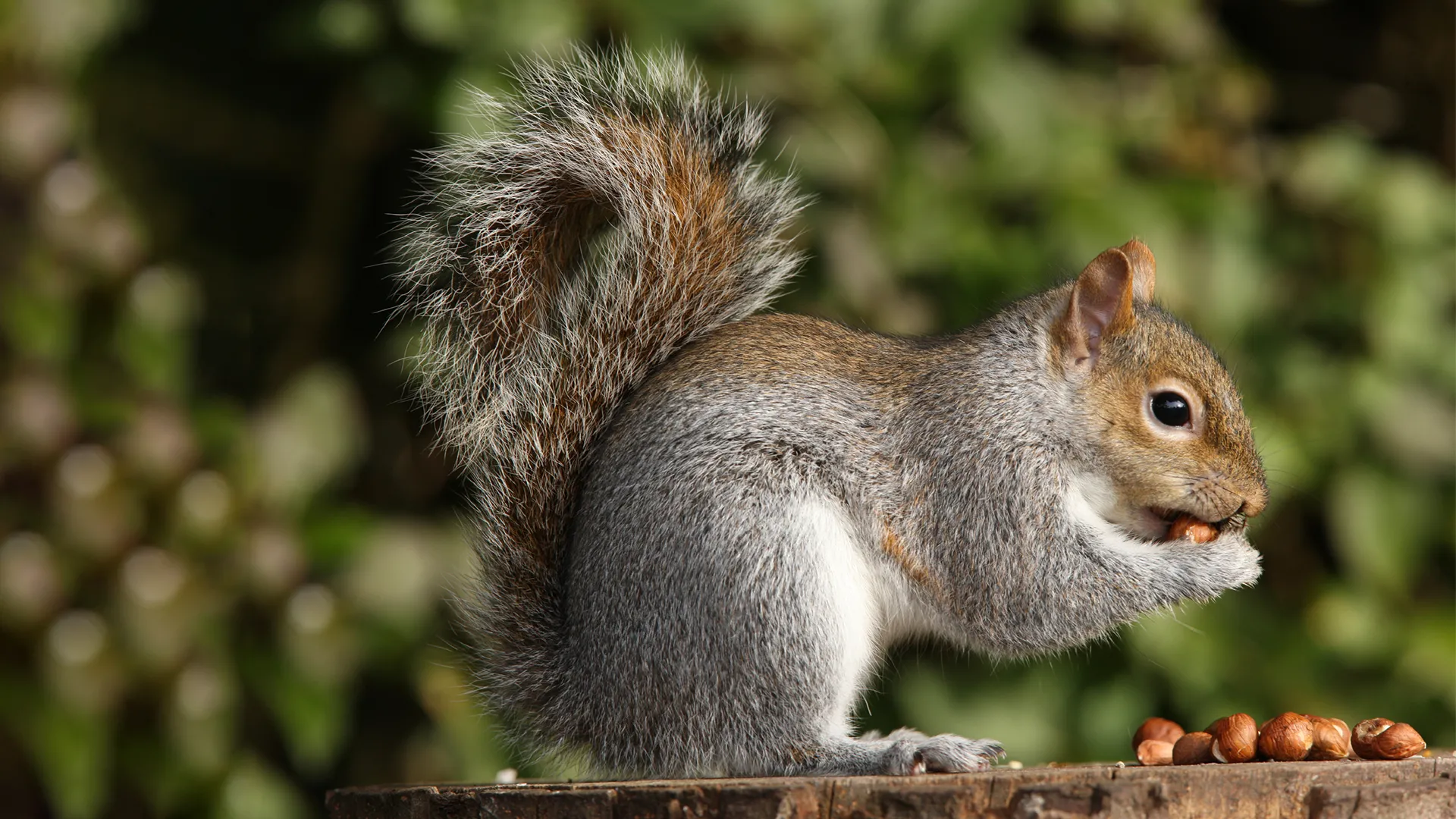
Squirrel Food: Understanding the Diet of These Agile Foragers

politicalphishing.com – Squirrels are nimble, intelligent rodents found in forests, parks, and urban areas worldwide. Known for their bushy tails and acrobatic movements, squirrels are opportunistic foragers with a diverse diet. From nuts to insects, their food preferences change with the seasons and their environment. Understanding what squirrels eat is key to supporting their health, whether you’re observing them in the wild or caring for them in captivity. This article will explore the typical foods squirrels consume, their seasonal feeding habits, and how they gather and store food for winter.

1. Squirrel Diet Overview: Primarily Herbivorous, Occasionally Omnivorous

Squirrels are primarily herbivores, but they are also opportunistic omnivores, meaning they eat both plant-based and animal-based foods. Their diet is rich in nuts, seeds, fruits, and plants, but they will also consume insects and other small animals when necessary.

Key Components of a Squirrel’s Diet:

  • Nuts and seeds: The cornerstone of a squirrel’s diet.
  • Fruits and berries: A seasonal favorite.
  • Vegetables: Leaves, roots, and plant stems are eaten when available.
  • Insects and small animals: Occasional sources of protein.
  • Tree bark and fungi: Eaten during leaner months, particularly in winter.

Squirrels are adaptable feeders, and their diet varies depending on what is available in their habitat.

2. Nuts and Seeds: The Mainstay of a Squirrel’s Diet

Nuts and seeds are a staple food for squirrels, especially during the fall when they gather and store them for the winter. These foods are packed with fats and proteins that provide the energy squirrels need to stay active and survive colder months.

Common Nuts and Seeds Eaten by Squirrels:

  • Acorns: A favorite food source, especially in oak-rich areas.
  • Walnuts: Squirrels are known for their ability to crack open hard walnut shells.
  • Pine nuts: In forested areas, squirrels may extract seeds from pine cones.
  • Hazelnuts: A common food for squirrels living in deciduous forests.
  • Sunflower seeds: Frequently eaten by squirrels near bird feeders.

Squirrels are experts at cracking open nuts with their strong teeth and often store extra nuts in caches to help them survive the winter.

3. Fruits and Berries: Seasonal and Nutrient-Rich

Fruits and berries are a seasonal but important part of a squirrel’s diet, offering vital nutrients such as vitamins and sugars. These are typically eaten in the warmer months when they are abundant.

Common Fruits and Berries Eaten by Squirrels:

  • Apples: Squirrels may eat wild apples or those found in gardens.
  • Berries: Raspberries, blackberries, and strawberries are all enjoyed by squirrels.
  • Grapes: In some areas, squirrels can be found nibbling on wild or cultivated grapes.
  • Peaches: Fallen fruits like peaches may be consumed by squirrels in orchards.

Fruits and berries provide hydration and quick energy, helping squirrels stay active during the summer and fall.

4. Vegetables and Plants: Foraging for Greens

In addition to fruits and nuts, squirrels eat a variety of plant-based foods, including leaves, roots, and vegetables. These foods supplement their diet, especially in garden environments or forested areas.

Common Plant Foods for Squirrels:

  • Leafy greens: Squirrels may nibble on leaves from plants or trees.
  • Roots and tubers: Squirrels dig up and eat root vegetables, such as carrots or sweet potatoes, when available.
  • Corn: Squirrels often feed on corn kernels, especially in areas where corn is grown.
  • Flowers: Squirrels may occasionally eat certain types of flowers or flower buds.

Plant matter, especially young, tender leaves, is a vital part of a squirrel’s diet in the spring and summer when these foods are abundant.

5. Insects and Small Animals: Occasional Protein Sources

While squirrels primarily eat plant-based foods, they do consume animal matter when available, especially when their protein needs increase during the breeding season.

Common Animal Foods:

  • Insects: Beetles, caterpillars, and grasshoppers are sometimes part of their diet.
  • Bird eggs: Squirrels may raid nests to eat eggs or even young birds.
  • Small mammals: In rare cases, squirrels may hunt small rodents or amphibians.

These protein sources are important for squirrels during times of high energy demand, such as the reproductive season.

6. Tree Bark, Fungi, and Mushrooms: Winter Survival Foods

During winter, when fresh food is scarce, squirrels turn to less appealing but necessary food sources like tree bark and fungi. These foods provide essential nutrients and help squirrels survive when their preferred foods are unavailable.

Common Winter Foods for Squirrels:

  • Tree bark: Squirrels strip bark from trees to access the inner cambium layer.
  • Mushrooms: Some squirrel species eat fungi, including mushrooms and truffles.
  • Lichens: In extreme conditions, squirrels may eat lichens found on trees.

These hard-to-digest foods are eaten as a last resort when more nutritious foods are not available during the cold months.

7. Squirrel Feeding Habits: Gathering and Hoarding

Squirrels are known for their habit of gathering food and storing it in caches to prepare for winter. They often bury nuts and seeds in shallow holes, known as scatter hoarding, which helps them locate food even when it’s buried under snow.

How Squirrels Hoard Food:

  • Caching: Squirrels bury nuts and seeds in various locations to reduce the risk of losing their entire food supply.
  • Memory: Squirrels rely on their memory to retrieve stored food, but they also use scent to locate buried caches.

This behavior is vital for survival, as squirrels do not hibernate and need to maintain a constant supply of food throughout winter.

8. Feeding Squirrels in Captivity

If you are caring for a pet squirrel or regularly feed wild squirrels, it’s important to offer a balanced diet that mimics their natural food sources. A variety of nuts, seeds, fruits, and vegetables should be provided, along with fresh water.

Ideal Foods for Captive Squirrels:

  • Nuts: Unsalted, unprocessed nuts like walnuts, hazelnuts, and almonds.
  • Fresh fruits: Apples, bananas, and berries can be offered as occasional treats.
  • Vegetables: Carrots, leafy greens, and sweet potatoes are nutritious options.
  • Insects: Mealworms or crickets can be offered as a protein source.

Avoid feeding squirrels sugary or processed foods, as these can harm their health.

9. Conclusion

Squirrels are adaptable and opportunistic feeders with a diverse diet that includes nuts, seeds, fruits, vegetables, and occasionally animal matter. Their diet changes with the seasons, and they are known for storing food to prepare for the winter. By understanding their feeding habits and dietary needs, you can ensure that squirrels in your care or in the wild remain healthy and well-fed year-round. Providing a balanced, natural diet supports their active and energetic lifestyle.