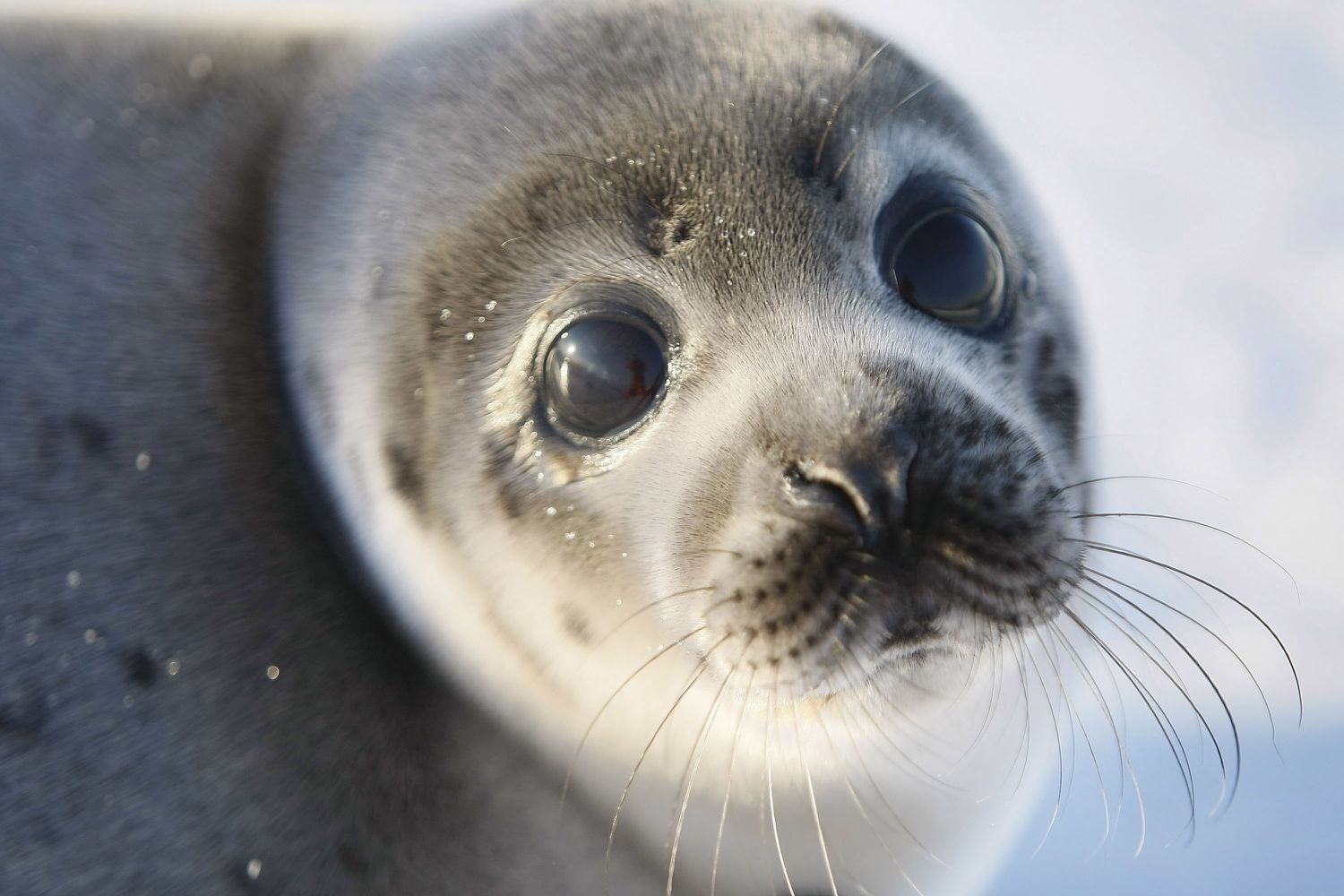
The Fascinating World of Seals: An Overview

politicalphishing.com – Seals are a diverse group of semi-aquatic marine mammals that belong to the family Phocidae, commonly known as true seals. These fascinating creatures are found in various habitats across the globe, from the icy waters of the Arctic and Antarctic to the warmer seas of the tropics. Seals are known for their sleek bodies, flipper-like limbs, and the ability to dive and swim with remarkable agility.

Types of Seals

There are several species of seals, each with unique characteristics and behaviors. Some of the most well-known include the harp seal, elephant seal, leopard seal, and the ringed seal. The harp seal, with its distinctive harp-shaped markings, is one of the most abundant seal species in the Northern Hemisphere. Elephant seals, named for their large proboscis-like noses, are among the largest seals and are known for their impressive migrations. Leopard seals are apex predators in the Antarctic, while ringed seals are a primary food source for polar bears.

Seal Adaptations

Seals have evolved numerous adaptations that allow them to thrive in their aquatic environments. Their streamlined bodies reduce drag in the water, and their powerful muscles enable them to swim long distances. Seals have a thick layer of blubber that provides insulation in cold waters and serves as an energy reserve. Their flippers are perfect for maneuvering in the water, and some species can remain submerged for up to 40 minutes while hunting for fish, squid, and other marine life.

Conservation Concerns

Despite their adaptations, seals face numerous threats, including habitat loss, pollution, and overfishing. Climate change is also a significant concern, as melting ice affects the habitats of Arctic and Antarctic seal species. Additionally, some seal populations are hunted for their fur, meat, and oil, which has led to declines in certain species. Conservation efforts are crucial to protect these animals and ensure their survival for future generations.

Seal Behavior and Social Structure

Seals exhibit a range of behaviors that are influenced by their environment and species. Some, like the harem-forming elephant seals, have complex social structures with dominant males controlling access to females during breeding season. Others, such as the solitary leopard seal, are more independent. Seals communicate through vocalizations, and their playful antics, such as belly-up swimming and “bobbing” at the surface, are a delight to observe.

Conclusion

Seals are an integral part of the marine ecosystem, playing crucial roles in food webs and as indicators of ocean health. Their adaptations to life in the water are a testament to the wonders of evolution. As we continue to learn more about these creatures, it is essential to respect and protect them and their habitats. By doing so, we can ensure that seals will continue to fascinate and inspire us for years to come.
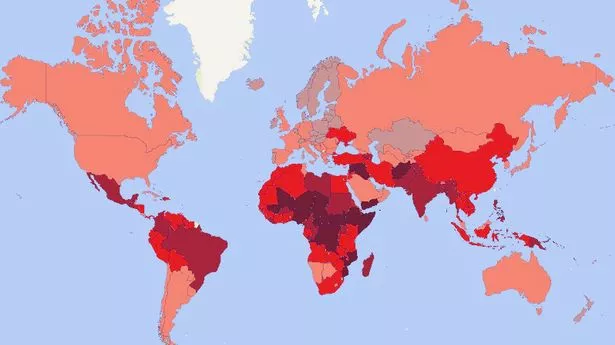

The World’s Most Dangerous Countries: Navigating the Hot Zones

politicalphishing.com – In a world that is increasingly interconnected, the concept of safety and security has become a paramount concern for travelers, expatriates, and even those living in their home countries. While the definition of danger can vary widely depending on the context, certain countries have gained notoriety for their high levels of violence, political instability, terrorism, and other threats to personal security. These nations, often referred to as “hot zones,” require a heightened level of awareness and caution for anyone considering entering their borders. This article aims to shed light on some of the world’s most dangerous countries, the factors contributing to their volatility, and how individuals can stay safe when navigating these hot zones.

The Criteria for Danger:
Before delving into specific countries, it’s important to understand the criteria that define a nation as dangerous. These can include, but are not limited to, the following factors:

  1. Ongoing armed conflicts and civil wars.
  2. High rates of violent crime, including kidnappings, homicides, and assaults.
  3. Political instability and the risk of coups or revolutions.
  4. Terrorism threats and the presence of extremist groups.
  5. Weak governance and the prevalence of corruption.
  6. Economic instability and poverty.
  7. Health risks, including exposure to diseases and inadequate medical facilities.

The World’s Most Dangerous Countries:
While the situation in any country can change rapidly, as of the latest available data, the following countries are often cited as among the most dangerous in the world:

  1. Syria: Torn by a brutal civil war since 2011, Syria has become a hotbed of violence, with numerous factions vying for control. The country has seen extensive destruction, displacement of millions, and a high number of casualties.
  2. Afghanistan: Despite the withdrawal of international troops, Afghanistan remains a country fraught with conflict, terrorism, and human rights abuses. The Taliban’s resurgence has led to increased instability and violence.
  3. Somalia: For decades, Somalia has struggled with clan-based conflicts, piracy, and the presence of terrorist groups like Al-Shabaab. The country’s central government has limited control over much of the territory.
  4. Yemen: The Yemeni Civil War has exacerbated an already dire humanitarian situation, leading to widespread famine, disease, and a collapsed healthcare system.
  5. Iraq: Although Iraq has made strides in reducing violence since the height of the Iraq War, it still faces significant challenges, including terrorism, sectarian tensions, and political instability.
  6. South Sudan: Since gaining independence in 2011, South Sudan has been embroiled in a civil war that has led to massive displacement, famine, and human rights violations.
  7. Venezuela: Economic collapse, political turmoil, and widespread crime have made Venezuela one of the most dangerous countries in the Western Hemisphere.

Staying Safe in Hot Zones:
For those who find themselves in or traveling to these hot zones, there are several steps that can be taken to enhance personal safety:

  1. Stay Informed: Keep abreast of the latest news and travel advisories from reliable sources.
  2. Register with your Embassy: Ensure that your government knows you are in the country in case of emergencies.
  3. Secure Accommodations: Stay in reputable hotels or secure housing with reliable safety measures.
  4. Avoid High-Risk Areas: Stay away from known conflict zones, demonstrations, and areas with a high crime rate.
  5. Maintain a Low Profile: Avoid drawing attention to yourself and respect local customs and laws.
  6. Have an Emergency Plan: Always have a plan for evacuation and know the quickest routes to safety.
  7. Travel with Security: Consider hiring local security experts or traveling with a reputable tour company that has experience in the region.

Conclusion:
The world’s most dangerous countries are characterized by a complex web of issues that make them perilous for both residents and visitors. While the allure of adventure or the necessity of work may draw people to these hot zones, it is crucial to approach them with caution and respect for the volatile conditions they present. By understanding the risks and taking appropriate safety measures, individuals can navigate these challenging environments with a greater degree of security. However, it is essential to remember that no amount of preparation can guarantee safety in a truly unpredictable situation, and the best course of action may sometimes be to avoid these hot zones altogether.

The Rise of the Digital Planet

In the early 21st century, the world witnessed a transformation unlike any other in human history. The rise of the digital empire has reshaped economies, societies, and personal lives, transcending borders and cultures. This article delves into the evolution, impact, and future of this digital revolution.

The Genesis of the Digital Revolution

The seeds of the digital empire were sown with the advent of the internet in the late 20th century. Initially a network for academic and military communication, the internet rapidly evolved into a global phenomenon. The introduction of the World Wide Web in the 1990s democratized information, making it accessible to anyone with a computer and a modem. This period saw the rise of tech giants like Microsoft, Apple, and Google, which laid the foundation for the digital age.

The Catalysts of Change

Several key developments accelerated the rise of the digital empire:

  1. Mobile Technology: The proliferation of smartphones and tablets made the internet ubiquitous. People could now access information, communicate, and conduct business from anywhere in the world.
  2. Social Media: Platforms like Facebook, Twitter, and Instagram revolutionized how people connect and share information. Social media became a powerful tool for marketing, politics, and social movements.
  3. E-commerce: Companies like Amazon and Alibaba transformed retail, making online shopping a norm. This shift disrupted traditional brick-and-mortar stores and created new business models.
  4. Cloud Computing: Services like Amazon Web Services (AWS) and Google Cloud made it easier for businesses to scale and innovate without investing heavily in physical infrastructure.

Economic Impact

The digital empire has had profound economic implications:

  • New Industries: Entirely new industries have emerged, including app development, digital marketing, and cybersecurity. The gig economy, facilitated by platforms like Uber and Airbnb, has also flourished.
  • Globalization: The digital age has made it easier for businesses to operate globally. Small businesses can now reach international markets with minimal investment.
  • Job Displacement: While new jobs have been created, automation and artificial intelligence (AI) have displaced many traditional jobs. This has led to debates about the future of work and the need for re-skilling.

Societal Transformation

The digital empire has reshaped society in numerous ways:

  • Communication: Instant messaging, video calls, and social networks have made communication faster and more efficient. However, they have also raised concerns about privacy and mental health.
  • Education: Online learning platforms like Coursera and Khan Academy have made education more accessible. The COVID-19 pandemic further accelerated the adoption of digital education.
  • Entertainment: Streaming services like Netflix and Spotify have transformed how people consume media. Traditional television and radio are in decline as on-demand content becomes the norm.

Challenges and Concerns

Despite its many benefits, the rise of the digital empire has also brought significant challenges:

  • Privacy and Security: Data breaches and privacy concerns have become major issues. Companies collect vast amounts of data, often without users’ explicit consent.
  • Digital Divide: Not everyone has equal access to digital technologies. This divide can exacerbate existing inequalities, particularly in developing countries.
  • Regulation: Governments struggle to keep pace with rapid technological advancements. Issues like antitrust, content moderation, and data sovereignty are contentious and complex.

The Future of the Digital Empire

Looking ahead, the digital empire will continue to evolve, driven by emerging technologies:

  • Artificial Intelligence: AI will become more integrated into daily life, from personal assistants to autonomous vehicles. This will bring both opportunities and ethical dilemmas.
  • Blockchain: Decentralized technologies like blockchain could revolutionize finance, supply chains, and governance.
  • 5G and Beyond: Faster internet speeds will enable new applications, from virtual reality to the Internet of Things (IoT).

Conclusion

The rise of the digital empire is a testament to human ingenuity and the relentless pursuit of progress. It has transformed how we live, work, and interact with the world. As we navigate the complexities and challenges of this digital age, it is crucial to ensure that technology serves humanity’s best interests, fostering a future that is inclusive, innovative, and ethical.