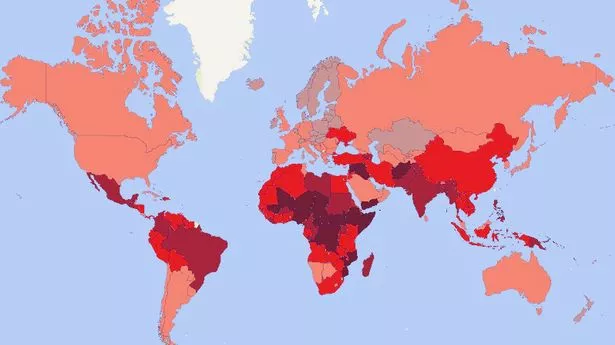
politicalphishing.com – In a world that is increasingly interconnected, the concept of safety and security has become a paramount concern for travelers, expatriates, and even those living in their home countries. While the definition of danger can vary widely depending on the context, certain countries have gained notoriety for their high levels of violence, political instability, terrorism, and other threats to personal security. These nations, often referred to as “hot zones,” require a heightened level of awareness and caution for anyone considering entering their borders. This article aims to shed light on some of the world’s most dangerous countries, the factors contributing to their volatility, and how individuals can stay safe when navigating these hot zones.
The Criteria for Danger:
Before delving into specific countries, it’s important to understand the criteria that define a nation as dangerous. These can include, but are not limited to, the following factors:
- Ongoing armed conflicts and civil wars.
- High rates of violent crime, including kidnappings, homicides, and assaults.
- Political instability and the risk of coups or revolutions.
- Terrorism threats and the presence of extremist groups.
- Weak governance and the prevalence of corruption.
- Economic instability and poverty.
- Health risks, including exposure to diseases and inadequate medical facilities.
The World’s Most Dangerous Countries:
While the situation in any country can change rapidly, as of the latest available data, the following countries are often cited as among the most dangerous in the world:
- Syria: Torn by a brutal civil war since 2011, Syria has become a hotbed of violence, with numerous factions vying for control. The country has seen extensive destruction, displacement of millions, and a high number of casualties.
- Afghanistan: Despite the withdrawal of international troops, Afghanistan remains a country fraught with conflict, terrorism, and human rights abuses. The Taliban’s resurgence has led to increased instability and violence.
- Somalia: For decades, Somalia has struggled with clan-based conflicts, piracy, and the presence of terrorist groups like Al-Shabaab. The country’s central government has limited control over much of the territory.
- Yemen: The Yemeni Civil War has exacerbated an already dire humanitarian situation, leading to widespread famine, disease, and a collapsed healthcare system.
- Iraq: Although Iraq has made strides in reducing violence since the height of the Iraq War, it still faces significant challenges, including terrorism, sectarian tensions, and political instability.
- South Sudan: Since gaining independence in 2011, South Sudan has been embroiled in a civil war that has led to massive displacement, famine, and human rights violations.
- Venezuela: Economic collapse, political turmoil, and widespread crime have made Venezuela one of the most dangerous countries in the Western Hemisphere.
Staying Safe in Hot Zones:
For those who find themselves in or traveling to these hot zones, there are several steps that can be taken to enhance personal safety:
- Stay Informed: Keep abreast of the latest news and travel advisories from reliable sources.
- Register with your Embassy: Ensure that your government knows you are in the country in case of emergencies.
- Secure Accommodations: Stay in reputable hotels or secure housing with reliable safety measures.
- Avoid High-Risk Areas: Stay away from known conflict zones, demonstrations, and areas with a high crime rate.
- Maintain a Low Profile: Avoid drawing attention to yourself and respect local customs and laws.
- Have an Emergency Plan: Always have a plan for evacuation and know the quickest routes to safety.
- Travel with Security: Consider hiring local security experts or traveling with a reputable tour company that has experience in the region.
Conclusion:
The world’s most dangerous countries are characterized by a complex web of issues that make them perilous for both residents and visitors. While the allure of adventure or the necessity of work may draw people to these hot zones, it is crucial to approach them with caution and respect for the volatile conditions they present. By understanding the risks and taking appropriate safety measures, individuals can navigate these challenging environments with a greater degree of security. However, it is essential to remember that no amount of preparation can guarantee safety in a truly unpredictable situation, and the best course of action may sometimes be to avoid these hot zones altogether.