Financial Literacy for Gen Z: Preparing for the Future

politicalphishing.com – As Generation Z enters adulthood and begins navigating the complexities of personal finance, financial literacy has become more important than ever. Born into a rapidly changing economic landscape, Gen Z faces unique financial challenges and opportunities. This article explores the importance of financial literacy for Gen Z and how improving this vital skill set can help them prepare for a secure and prosperous future.

Understanding Financial Literacy

Financial literacy refers to the ability to understand and effectively use various financial skills, including personal financial management, budgeting, and investing. For Gen Z, mastering these skills is crucial for making informed decisions about their money. With the right knowledge, they can avoid common financial pitfalls, manage debt, and build wealth over time.

The Challenges Gen Z Faces

Gen Z is entering the workforce during a period of economic uncertainty, characterized by rising student debt, increasing living costs, and a competitive job market. Additionally, the proliferation of digital financial products and services presents both opportunities and challenges. The ease of access to credit and online shopping can lead to overspending, while the complexity of digital financial tools can be overwhelming without proper understanding.

The Role of Technology in Financial Literacy

Fortunately, Gen Z’s familiarity with technology can be a powerful asset in achieving financial literacy. There are numerous apps and online resources designed to help users track expenses, create budgets, and learn about investing. Platforms like Mint, You Need a Budget (YNAB), and Robinhood provide user-friendly interfaces and educational content that can empower Gen Z to take control of their finances.

Building a Strong Financial Foundation

To build a strong financial foundation, Gen Z should focus on key areas of financial literacy:

  1. Budgeting: Creating and sticking to a budget is fundamental. It helps in tracking income and expenses, ensuring that spending aligns with financial goals.
  2. Saving and Investing: Understanding the importance of saving and investing early can lead to significant financial benefits over time. Gen Z should explore different savings accounts and investment options, such as stocks, bonds, and retirement accounts.
  3. Credit Management: Learning how to use credit responsibly is crucial. This includes understanding credit scores, managing credit card debt, and knowing how interest rates work.
  4. Debt Management: With many Gen Zers facing student loans, understanding debt management strategies is essential. This includes knowing how to prioritize debt repayment and exploring options for loan consolidation or forgiveness.

The Importance of Financial Education

Educational institutions and workplaces can play a significant role in promoting financial literacy. Schools can integrate personal finance courses into their curriculums, while employers can offer financial wellness programs. Additionally, community organizations and online platforms can provide accessible resources and workshops to help Gen Z build their financial knowledge.

Conclusion

Financial literacy is a critical skill for Gen Z as they prepare for the future. By understanding and managing their finances effectively, they can navigate the economic challenges they face and take advantage of the opportunities available to them. As they build their financial literacy, Gen Z will not only secure their own financial well-being but also contribute to a more financially informed and resilient society.


The Future of Continuations in Emerging Technologies

politicalphishing.com – Continuations, a powerful construct in programming languages that allow a program to save its execution state and later resume from that point, have been a cornerstone of functional programming and asynchronous operations. As emerging technologies continue to evolve, the role of continuations is likely to expand, influencing new paradigms and applications. This article explores the future of continuations in the context of emerging technologies, highlighting their potential impact on various fields.

Continuations in AI and Machine Learning

Artificial Intelligence (AI) and Machine Learning (ML) are at the forefront of technological advancements, and continuations are poised to play a crucial role in enhancing the capabilities of these fields. Continuations can be used to manage the asynchronous nature of data processing and model training, allowing AI systems to handle complex tasks more efficiently. This is particularly relevant in edge computing, where AI models need to process data in real-time with limited resources.

Integration with IoT and Edge Computing

The Internet of Things (IoT) and edge computing are driving the need for more efficient and responsive systems. Continuations can help in managing the flow of data and processing tasks in a distributed environment, ensuring that devices can communicate and respond to commands seamlessly. This integration will be crucial in smart cities, where real-time data processing and decision-making are essential.

Enhancing Cybersecurity

Cybersecurity is another area where continuations can significantly impact. By managing the state of security protocols and monitoring systems, continuations can help in detecting and responding to cyber threats more effectively. This is particularly relevant in the context of blockchain and distributed ledger technologies, where secure and reliable state management is paramount.

Impact on Quantum Computing

As quantum computing matures, continuations could play a role in managing the execution of quantum algorithms. Quantum computers operate on principles that are fundamentally different from classical computers, and continuations could help in handling the complex state transitions required in quantum computations. This integration could lead to breakthroughs in fields such as cryptography and drug discovery.

Conclusion

The future of continuations in emerging technologies is promising, with potential applications spanning AI, IoT, cybersecurity, and quantum computing. As these technologies continue to evolve, continuations will likely become an integral part of their development, enhancing efficiency, security, and scalability. Developers and researchers should continue to explore the potential of continuations to harness their full potential in shaping the future of technology.

Future Celebrities: The New Kids on the Block

politicalphishing.com – In the ever-evolving landscape of entertainment, a new breed of talent is emerging, poised to take the world by storm. These “New Kids on the Block” are not just the next generation of stars; they are the future celebrities who are redefining what it means to be in the spotlight. With a mix of raw talent, fresh perspectives, and a knack for leveraging social media, these young hopefuls are on the cusp of stardom, and the world is watching.

The Rise of Digital Natives

Born into a world where the internet is ubiquitous, these future celebrities are digital natives. They have grown up with social media platforms as their playgrounds and have mastered the art of engaging with audiences in ways that previous generations could only dream of. From TikTok dancers to YouTube singers, these kids are amassing millions of followers before they even hit their teens.

Diverse Talents, Unique Voices

What sets these newcomers apart is not just their early start but the diversity of their talents. They are not confined to traditional avenues of stardom. Instead, they are breaking barriers and creating content that resonates with a global audience. Whether it’s through music, acting, comedy, or even gaming, these future celebrities are using their unique voices to carve out their niche in the entertainment industry.

The Power of Authenticity

In an era where authenticity is highly valued, these young talents are winning hearts by being unapologetically themselves. They share their lives, their struggles, and their triumphs with their followers, creating a sense of community and relatability that is hard to find elsewhere. This genuine connection with their audience is not only endearing but also a powerful tool for building a loyal fan base.

Navigating the Challenges

Despite the glitz and glamour, the path to stardom is not without its challenges. These future celebrities face the daunting task of balancing their personal lives with their burgeoning careers, all while navigating the complexities of fame at a young age. The pressure to constantly produce content and maintain their online presence can be overwhelming, but many are rising to the occasion with grace and resilience.

The Future is Bright

As these New Kids on the Block continue to grow and evolve, their impact on the entertainment industry is becoming increasingly evident. They are not just the faces of tomorrow; they are the trendsetters, the innovators, and the voices of a new generation. With each passing day, they are inching closer to the spotlight, ready to claim their place among the stars.

Conclusion

The future of celebrity is in the hands of these young talents, and it’s an exciting time to witness their journey. As they continue to break barriers and push boundaries, one thing is clear: the entertainment industry will never be the same. These New Kids on the Block are not just the next big thing; they are the future, and they are here to stay.

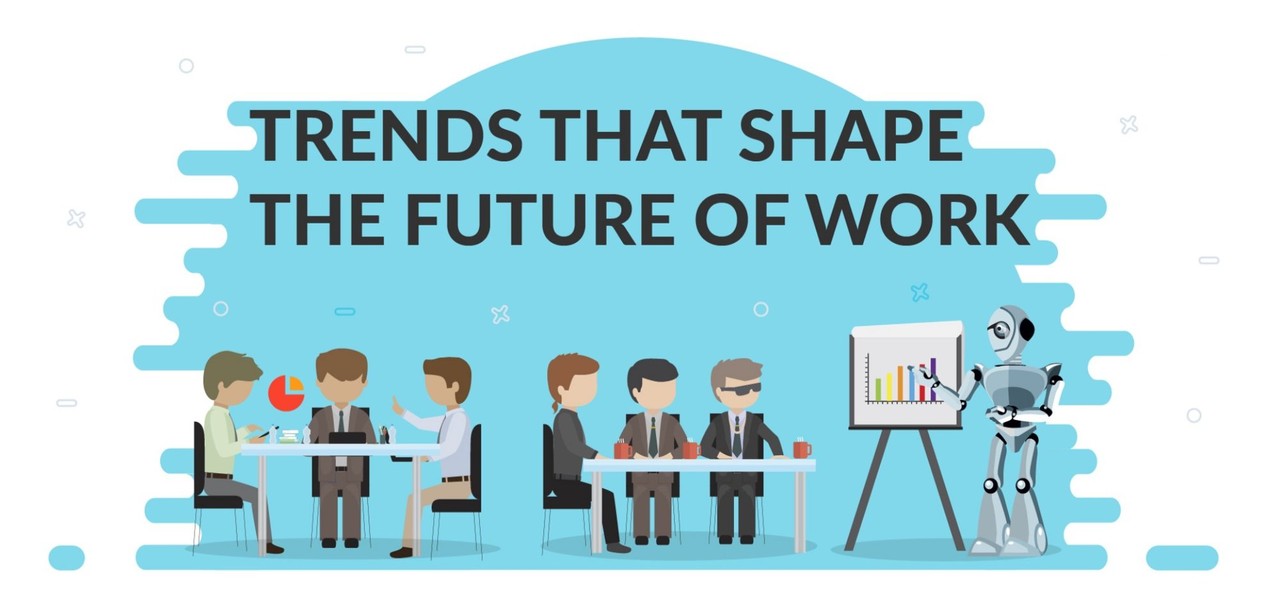
Trends Shaping the Job Market: The Future of Work

As we navigate through the 21st century, the job market is undergoing rapid and transformative changes. Driven by technological advancements, shifting economic landscapes, and evolving societal norms, the future of work is being shaped by several key trends. Understanding these trends is crucial for both employers and employees to remain competitive and relevant in an ever-changing environment.

1. Automation and Artificial Intelligence (AI)

Automation and AI are revolutionizing various industries by enhancing efficiency and productivity. Robots and AI-driven systems are taking over repetitive and mundane tasks, allowing human workers to focus on more complex and creative aspects of their jobs. However, this shift also raises concerns about job displacement. While some jobs may become obsolete, new roles will emerge, requiring skills in AI management, robotics maintenance, and data analysis.

2. Remote Work and Hybrid Models

The COVID-19 pandemic accelerated the adoption of remote work, demonstrating that many tasks can be performed outside traditional office settings. As a result, companies are increasingly adopting hybrid work models, combining remote and in-office work. This trend offers flexibility to employees, reduces commuting time, and allows businesses to tap into a global talent pool. However, it also necessitates robust digital infrastructure and effective remote management strategies.

3. Gig Economy and Freelancing

The gig economy is expanding rapidly, with more individuals opting for freelance or contract-based work over traditional full-time employment. Platforms like Upwork, Fiverr, and Uber have made it easier for people to offer their services and for businesses to find specialized talent. This trend provides greater flexibility and autonomy for workers, but also raises questions about job security, benefits, and long-term career growth.

4. Lifelong Learning and Skill Development

In a fast-paced and ever-evolving job market, continuous learning is essential. The half-life of skills is decreasing, meaning that what was relevant five years ago might not be today. As a result, both employers and employees must prioritize lifelong learning and skill development. Online courses, professional certifications, and corporate training programs are becoming increasingly important in helping workers stay competitive.

5. Diversity, Equity, and Inclusion (DEI)

Diversity, equity, and inclusion are no longer just buzzwords; they are critical components of a thriving workplace. Companies are recognizing the value of diverse teams in driving innovation and creativity. There is a growing emphasis on creating inclusive work environments where all employees feel valued and have equal opportunities for growth and advancement. This trend is reshaping hiring practices, workplace policies, and corporate cultures.

6. Sustainability and Corporate Social Responsibility (CSR)

Sustainability and CSR are gaining prominence as employees and consumers alike demand more environmentally and socially responsible business practices. Companies are increasingly adopting sustainable practices, not only to reduce their carbon footprint but also to attract and retain talent who prioritize working for ethically responsible organizations. This trend is influencing job roles related to environmental management, sustainability reporting, and ethical compliance.

7. Health and Well-being

The importance of employee health and well-being has come to the forefront, particularly in the wake of the pandemic. Employers are investing more in mental health resources, wellness programs, and flexible working conditions to support their workforce. A focus on well-being helps in reducing burnout, increasing productivity, and fostering a more positive work environment.

8. Technological Literacy and Digital Transformation

As technology continues to evolve, digital literacy is becoming a fundamental requirement for most jobs. Businesses are undergoing digital transformations to stay competitive, and employees must adapt to new tools and platforms. Skills in areas like cybersecurity, data analytics, and digital marketing are in high demand, and organizations are seeking tech-savvy individuals to drive innovation.

Conclusion

The future of work is being shaped by a combination of technological advancements, changing work models, and evolving societal expectations. To thrive in this dynamic environment, both employers and employees must be adaptable, continuously learning, and proactive in embracing new trends. By understanding and preparing for these trends, businesses can build resilient workforces, and individuals can navigate their career paths with confidence.