Trumbo: A Tale of Blacklisting and Resilience

politicalphishing.com -Jay Roach’s 2015 biographical drama, “Trumbo,” delves into the life of Dalton Trumbo, a renowned screenwriter who was blacklisted by the Hollywood film industry during the McCarthy era. The film explores the impact of the House Un-American Activities Committee (HUAC) and the blacklist on Trumbo’s career and personal life.

A Masterful Performance

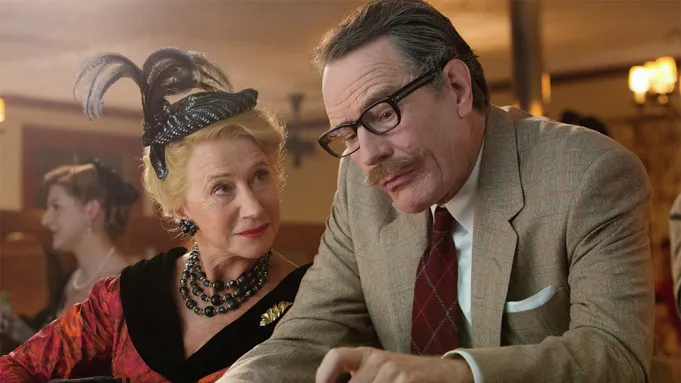
Bryan Cranston delivers a powerful and nuanced performance as Dalton Trumbo, capturing the screenwriter’s wit, intelligence, and unwavering determination. The film showcases Trumbo’s resilience as he fights for his right to free speech and his refusal to compromise his artistic integrity.

The Hollywood Blacklist

The film provides a detailed account of the Hollywood blacklist, a period of intense political persecution in the United States during the 1950s. Many Hollywood writers, directors, and actors were accused of communist sympathies and were blacklisted from working in the film industry. Trumbo was one of the most prominent figures to be blacklisted.

A Fight for Justice

Despite being blacklisted, Trumbo continued to write under pseudonyms, penning screenplays for some of the most iconic films of the 1950s and 1960s. The film highlights Trumbo’s strategic approach to circumventing the blacklist and his eventual triumph over his persecutors.

A Timely Tale

“Trumbo” is a timely film that resonates with contemporary audiences. The film’s exploration of censorship, free speech, and the power of individual action is as relevant today as it was during the McCarthy era.

Key Themes Explored in the Film:

  • The Power of Ideas: The film celebrates the power of ideas and the importance of intellectual freedom.
  • The Perils of Censorship: The film exposes the dangers of censorship and the suppression of dissent.
  • The Resilience of the Human Spirit: The film showcases the resilience of the human spirit and the ability to overcome adversity.
  • The Importance of Artistic Integrity: The film highlights the importance of artistic integrity and the refusal to compromise one’s beliefs.

Conclusion

“Trumbo” is a compelling and inspiring film that sheds light on a dark chapter in American history. It is a testament to the power of human spirit and the enduring legacy of Dalton Trumbo.
The Story of Los Angeles: History and Heritage

politicalphishing.com – Los Angeles, a city synonymous with glamour and innovation, is steeped in a rich history that dates back centuries. From its indigenous roots to its rise as a global cultural powerhouse, the story of Los Angeles is one of transformation and diversity. Join us as we explore the fascinating history and heritage of this iconic city.

Indigenous Beginnings

Long before it became a bustling metropolis, the area now known as Los Angeles was inhabited by indigenous peoples such as the Tongva and Chumash tribes. These communities thrived in the region, utilizing its resources and establishing vibrant cultures deeply connected to the land. Evidence of their presence can still be found in archaeological sites and cultural artifacts.

Spanish Colonization and the Pueblo Era

The story of Los Angeles took a new turn in 1781 when Spanish settlers founded El Pueblo de Nuestra Señora la Reina de los Ángeles. This small pueblo, or town, was part of Spain’s effort to expand its influence in California. The original settlement, located near what is now Olvera Street, remains a testament to the city’s colonial past and is a popular historic site for visitors.

Mexican Rule and American Expansion

In 1821, California became part of Mexico following its independence from Spain. This era saw the growth of ranchos and the development of agriculture in the region. However, the Mexican-American War in the mid-19th century led to California’s annexation by the United States. Los Angeles, now under American control, began to attract settlers from across the country, particularly during the Gold Rush.

The Rise of the Entertainment Capital

The early 20th century marked a pivotal moment in Los Angeles’ history with the emergence of the film industry. Hollywood, a small suburb at the time, quickly became the epicenter of American cinema. The city’s favorable climate and diverse landscapes made it an ideal location for movie studios, and Los Angeles soon earned its reputation as the entertainment capital of the world.

Cultural Diversity and Social Change

Throughout the 20th century, Los Angeles continued to grow rapidly, attracting immigrants from around the globe. This influx of people contributed to the city’s rich cultural mosaic, making it one of the most diverse cities in the United States. The Civil Rights Movement, the Chicano Movement, and other social changes left a lasting impact on the city’s social fabric and continue to shape its identity today.

A Modern Metropolis

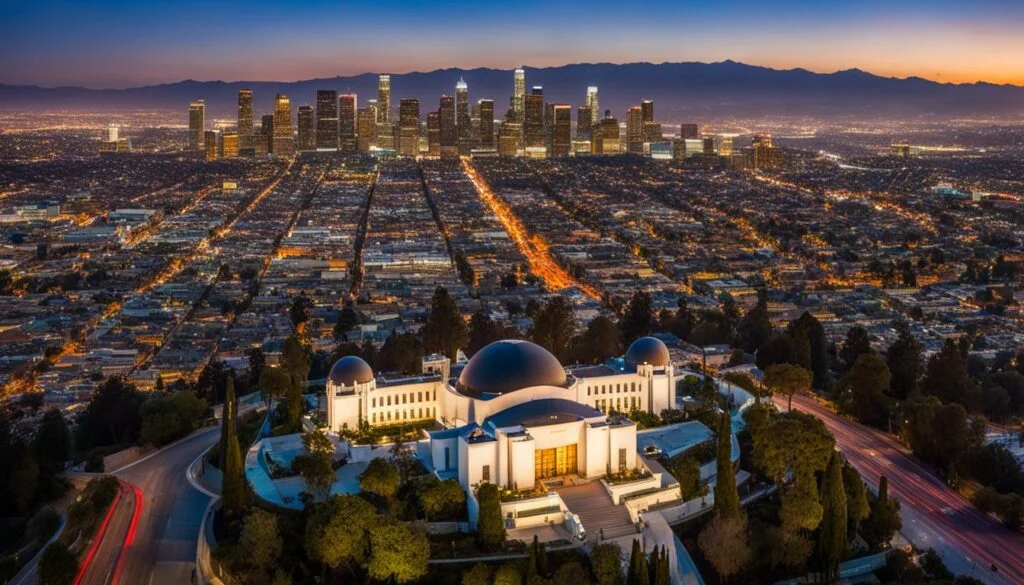
Today, Los Angeles is a sprawling metropolis known for its innovation, creativity, and cultural influence. From its iconic landmarks like the Hollywood Sign and Griffith Observatory to its vibrant neighborhoods such as Chinatown and Little Tokyo, the city is a testament to its dynamic history and heritage. As Los Angeles continues to evolve, it remains a beacon of opportunity and a symbol of the American dream.

Conclusion: Embracing the Past, Shaping the Future

The story of Los Angeles is one of resilience and transformation, reflecting the diverse influences that have shaped its identity over the centuries. By embracing its rich history and heritage, Los Angeles continues to inspire and captivate people from all walks of life. Whether exploring its historic sites or immersing oneself in its cultural offerings, the city invites everyone to be part of its ongoing narrative.