
Addressing Climate Change: Saudi Arabia’s Environmental Initiatives

politicalphishing.com – Saudi Arabia, the world’s largest oil exporter, has long been synonymous with fossil fuel production. However, in recent years, the kingdom has embarked on a series of ambitious environmental initiatives aimed at addressing climate change and transitioning to a more sustainable future. These efforts are part of the broader Vision 2030 plan, which seeks to diversify the economy and reduce the country’s dependence on oil.

The Saudi Green Initiative

One of the most significant environmental initiatives is the Saudi Green Initiative, launched in 2021. This initiative aims to plant 10 billion trees across the country, which would offset 130 million tons of carbon dioxide. Additionally, the initiative includes plans to increase the kingdom’s renewable energy capacity and reduce carbon emissions from the oil and gas sector.

The initiative is part of a larger Middle East Green Initiative, which aims to plant 50 billion trees across the region and reduce carbon emissions by 6% globally. This would be a significant step towards achieving the goals of the Paris Agreement and combating climate change.

Renewable Energy Projects

Saudi Arabia is also investing heavily in renewable energy projects. The kingdom has set a target to generate 50% of its electricity from renewable sources by 2030. This includes the development of solar and wind farms across the country. One of the most ambitious projects is the Neom Wind Project, which will be located in the futuristic city of Neom and is expected to generate 1.2 gigawatts of power.

Another significant project is the Red Sea Global Energy Project, which will power the Red Sea Project with renewable energy. This project includes the development of solar and wind farms and is expected to generate 1.5 gigawatts of power.

Carbon Capture and Storage

Saudi Arabia is also exploring carbon capture and storage (CCS) technologies as a way to reduce emissions from the oil and gas sector. The kingdom has invested in several CCS projects, including the Jazan Economic City project, which aims to capture and store carbon dioxide from a power plant.

Additionally, Saudi Arabia is working on developing direct air capture (DAC) technologies, which can remove carbon dioxide directly from the atmosphere. These efforts are part of a broader strategy to reduce the carbon footprint of the oil and gas sector and transition to a more sustainable future.

Challenges and Opportunities

While Saudi Arabia’s environmental initiatives are ambitious, they also face significant challenges. The transition to renewable energy requires substantial investment and the development of new infrastructure. Additionally, the kingdom must balance its environmental goals with its continued reliance on oil revenues.

However, these initiatives also present opportunities for economic diversification and job creation. The renewable energy sector is expected to create thousands of jobs and contribute to the kingdom’s Vision 2030 goals.

Conclusion

Saudi Arabia’s environmental initiatives are a significant step towards addressing climate change and transitioning to a more sustainable future. The kingdom’s efforts in planting trees, investing in renewable energy, and exploring CCS technologies demonstrate a commitment to reducing emissions and combating climate change. While challenges remain, these initiatives hold the potential to reshape the future of Saudi Arabia and contribute to global efforts to address climate change.
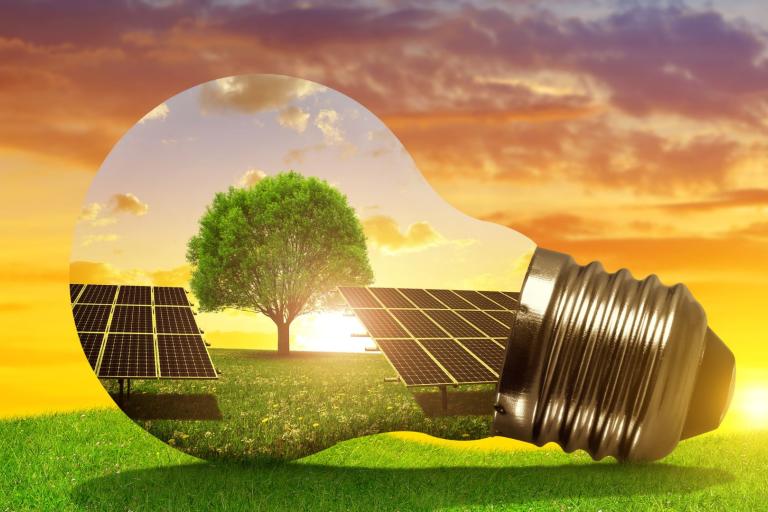
Progress and Potential: Venezuela’s Renewable Energy Initiatives

politicalphishing.com – Venezuela, a country endowed with abundant natural resources, has traditionally relied heavily on fossil fuels for its energy needs. However, in recent years, the country has begun to explore and invest in renewable energy sources as a means to diversify its energy mix, reduce carbon emissions, and ensure long-term energy security. This article examines the progress made by Venezuela in developing its renewable energy sector and the potential for future growth in this area.

The Shift Towards Renewable Energy

Venezuela’s renewable energy initiatives are part of a broader global trend towards sustainable energy practices. The country has significant potential for solar, wind, and hydroelectric power, given its geographical location and climate. Recognizing this potential, the Venezuelan government has started to implement policies and projects aimed at harnessing these renewable resources.

Solar Energy Initiatives

One of the key areas of focus has been solar energy. Venezuela has launched several solar power projects, including the installation of solar panels in remote areas that are not connected to the national grid. These initiatives aim to provide electricity to rural communities and reduce dependence on diesel generators. The government has also partnered with international companies to develop large-scale solar farms, which could significantly contribute to the country’s energy supply.

Wind Power Projects

Wind energy is another area of interest for Venezuela. The country has identified several regions with high wind potential, particularly along its coastlines. Pilot projects have been initiated to test the feasibility of wind farms in these areas. If successful, these projects could pave the way for larger-scale wind power development, contributing to Venezuela’s renewable energy goals.

Hydroelectric Power Expansion

Hydroelectric power has long been a significant source of electricity in Venezuela, with the Guri Dam being one of the largest hydroelectric power plants in the world. The government is exploring the potential for expanding hydroelectric capacity by developing smaller hydroelectric projects in various regions of the country. These projects aim to utilize the country’s numerous rivers and streams for power generation, providing a reliable and renewable source of energy.

Challenges and Opportunities

Despite the progress made, Venezuela’s renewable energy initiatives face several challenges. Economic instability, political uncertainty, and limited investment have hindered the development of the renewable energy sector. Additionally, technical expertise and infrastructure are needed to support the growth of renewable energy projects.

However, the potential for renewable energy in Venezuela is vast. With the right policies, investments, and international partnerships, the country could significantly increase its renewable energy capacity. This would not only benefit Venezuela by providing a cleaner and more sustainable energy supply but also contribute to global efforts to combat climate change.

Conclusion

Venezuela’s renewable energy initiatives represent a promising step towards a more sustainable and diversified energy future. While challenges remain, the country’s natural resources and strategic location offer a unique opportunity for the development of solar, wind, and hydroelectric power. As Venezuela continues to navigate its path forward, the potential for renewable energy could play a crucial role in its economic recovery and environmental sustainability.