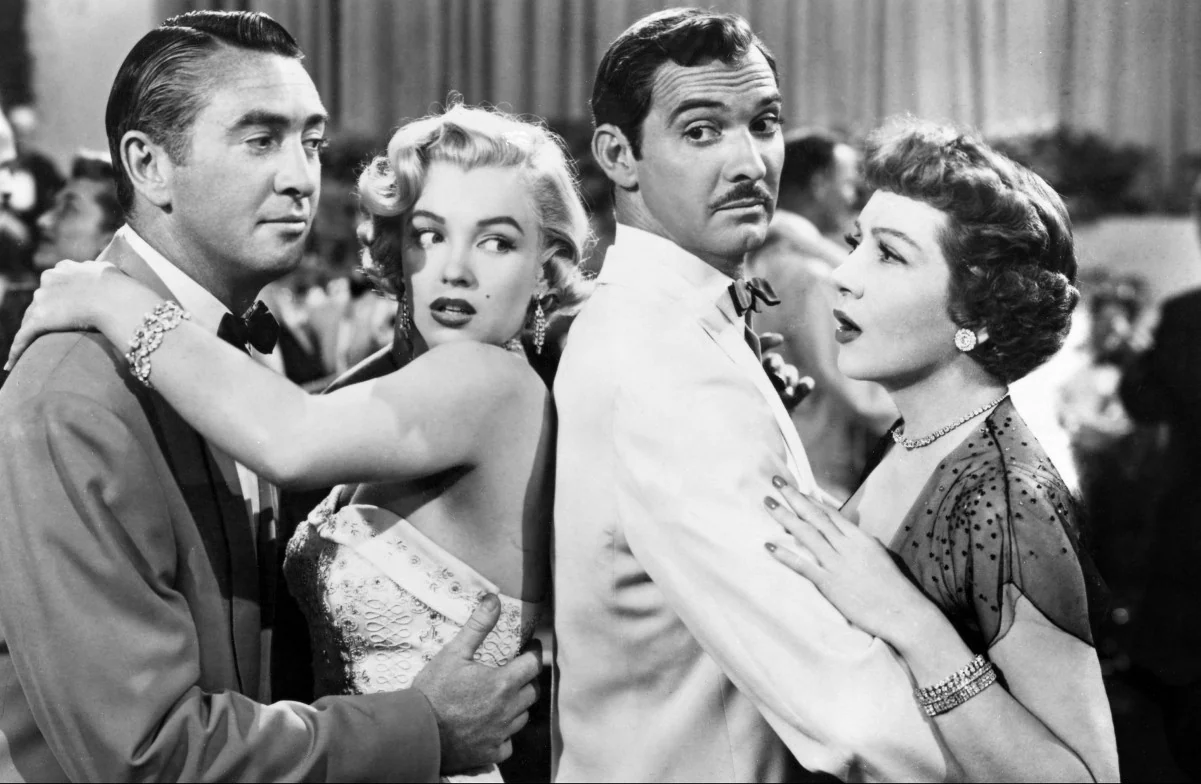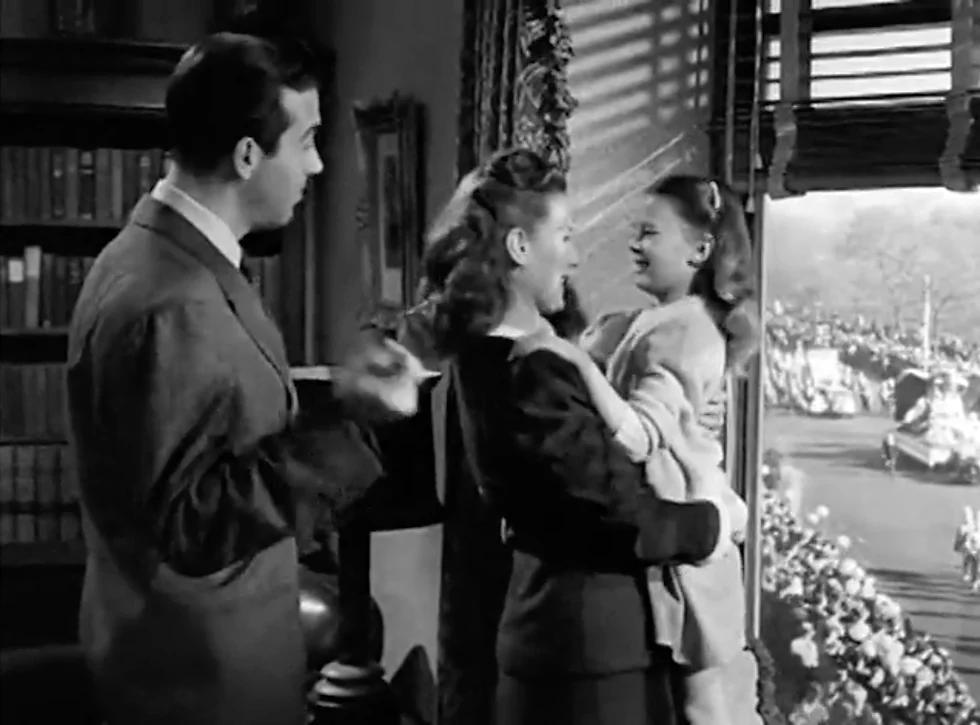
politicalphishing.com – “Miracle on 34th Street” is a beloved 1947 American Christmas film that has become a perennial favorite for audiences around the world. Directed by George Seaton and starring Maureen O’Hara, John Payne, Natalie Wood, and Edmund Gwenn, the film combines a charming narrative with profound themes of belief and the spirit of Christmas. Set against the backdrop of New York City during the holiday season, it tells a magical story that continues to capture hearts.
Plot Overview
The film begins with the Macy’s Thanksgiving Day Parade, where a kindly old man named Kris Kringle (Edmund Gwenn) is recruited to play Santa Claus after the original actor is found to be intoxicated. Kris is a hit, but he surprises everyone by claiming to be the real Santa Claus. This declaration leads to a series of events that culminate in a courtroom battle to prove his authenticity.
The story primarily focuses on Doris Walker (Maureen O’Hara), a pragmatic and skeptical Macy’s executive, and her young daughter, Susan (Natalie Wood), who has been raised to doubt the existence of Santa Claus. As Kris Kringle spreads joy and goodwill, he challenges the cynicism of those around him, ultimately transforming their perspectives on faith and imagination.
Themes and Analysis
“Miracle on 34th Street” explores several enduring themes, including the power of belief, the commercialization of Christmas, and the innocence of childhood. The film gently critiques the materialistic aspects of the holiday season while celebrating the intangible joys that come from kindness and hope. Kris Kringle’s character embodies the spirit of Christmas, reminding both the characters and the audience of the importance of faith in something greater than oneself.
The courtroom scenes serve as a metaphor for the struggle between skepticism and belief, highlighting the film’s central message that sometimes seeing is not believing, but believing is seeing. The narrative cleverly intertwines legal drama with heartwarming moments, creating a story that is both thought-provoking and delightful.
Performances and Direction
Edmund Gwenn’s portrayal of Kris Kringle is iconic, earning him an Academy Award for Best Supporting Actor. His gentle demeanor and twinkling eyes capture the essence of Santa Claus, making his performance unforgettable. Maureen O’Hara and John Payne deliver strong performances as they navigate the fine line between doubt and belief, while Natalie Wood shines as the precocious Susan, whose journey from skepticism to wonder is at the heart of the film.
George Seaton’s direction ensures that the film maintains a perfect balance between humor, drama, and sentimentality, resulting in a timeless classic that appeals to audiences of all ages.
Cultural Impact
“Miracle on 34th Street” was released to critical acclaim and commercial success, earning several Academy Awards, including Best Original Story and Best Screenplay. Its enduring popularity has led to numerous remakes and adaptations, yet the original film remains a quintessential holiday viewing experience.
Conclusion
“Miracle on 34th Street” is more than just a Christmas movie; it is a heartwarming tale that celebrates the magic of belief and the true spirit of the holiday season. Its timeless themes and enchanting performances ensure its place as a cherished classic that continues to inspire and uplift audiences year after year.